Rain Communities 
Restoring Landscapes, Strengthening livelihoods.

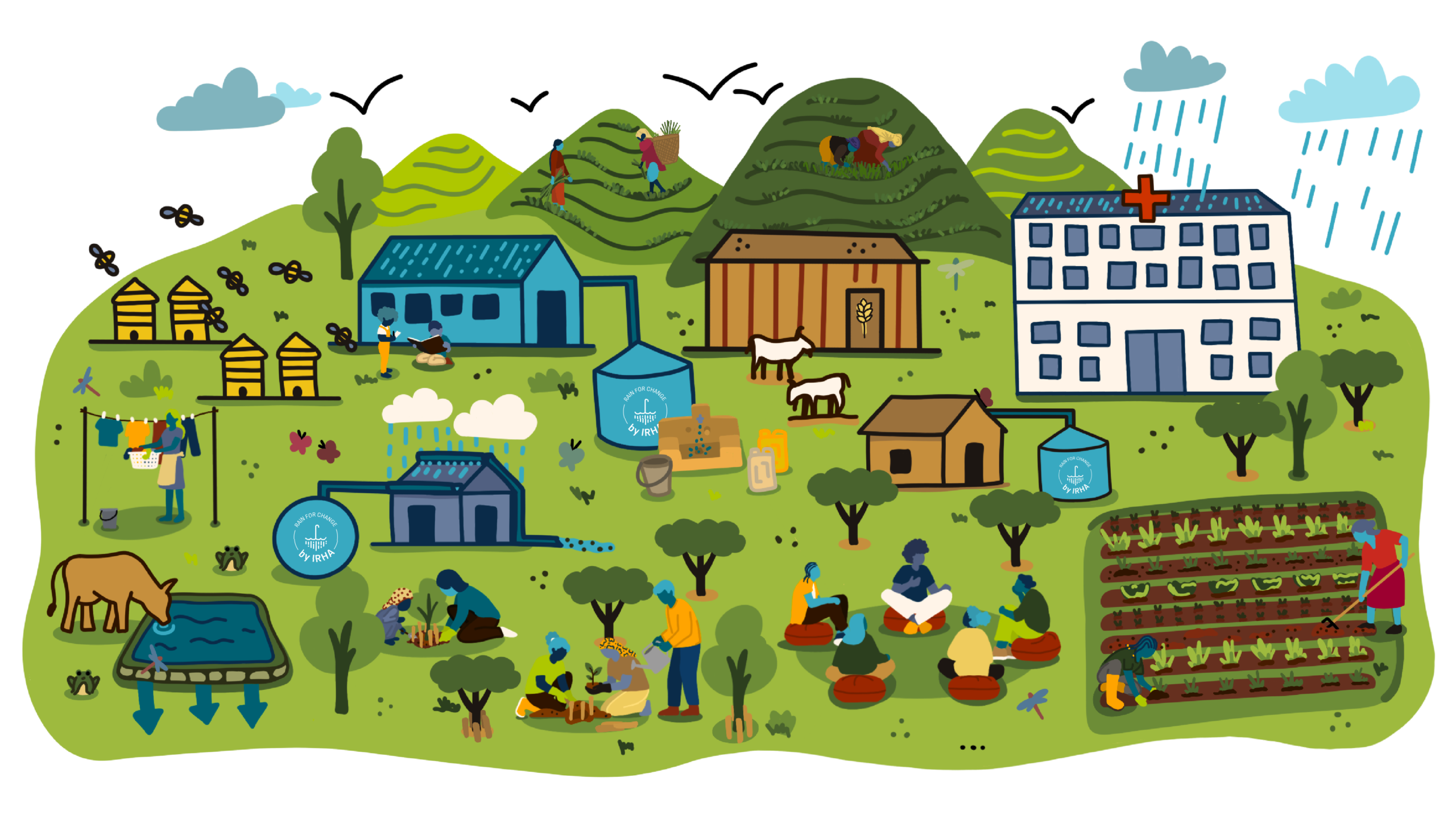
IRHA Rain Communities take a landscape-scale approach to climate resilience by integrating water management, watershed management, ecosystem restoration, and sustainable livelihoods.

Rather than isolated interventions, Rain Communities work across entire territories to reconnect rainwater, soil, vegetation, and people through coordinated actions. 

Projects combine rainwater harvesting, soil and water conservation, agroecology, tree-based practices, and nature-based solutions. Structures such as terraces, bunds, ponds, and infiltration systems slow runoff, recharge groundwater, and reduce erosion and flood risks.

Farming Structures such as terraces, bunds, ponds, and infiltration systems slow runoff, recharge groundwater, and reduce erosion and flood risks, creating the conditions for ecosystems and livelihoods to recover together.

From Water
to Landscape Regeneration

Rain Communities begin with water, but their impact extends far beyond it.

By managing how rainwater moves across a landscape, these interventions reshape entire ecosystems over time. Degraded soils regain structure, vegetation progressively returns, and natural cycles begin to function again.

This approach allows landscapes not only to recover, but to become more stable, productive, and resilient in the face of climate variability.

From Practices to Livelihood Systems

Rain Communities strengthen livelihoods by building on local practices and expanding them into more resilient systems.

Farmers combine soil regeneration, locally adapted crops, and diversified activities to reduce risks and improve income stability. Food production becomes more reliable, and dependence on external inputs is reduced.

By linking water, agriculture, and local economies, these systems support long-term autonomy and food sovereignty.

Built with Communities, Sustained Over Time

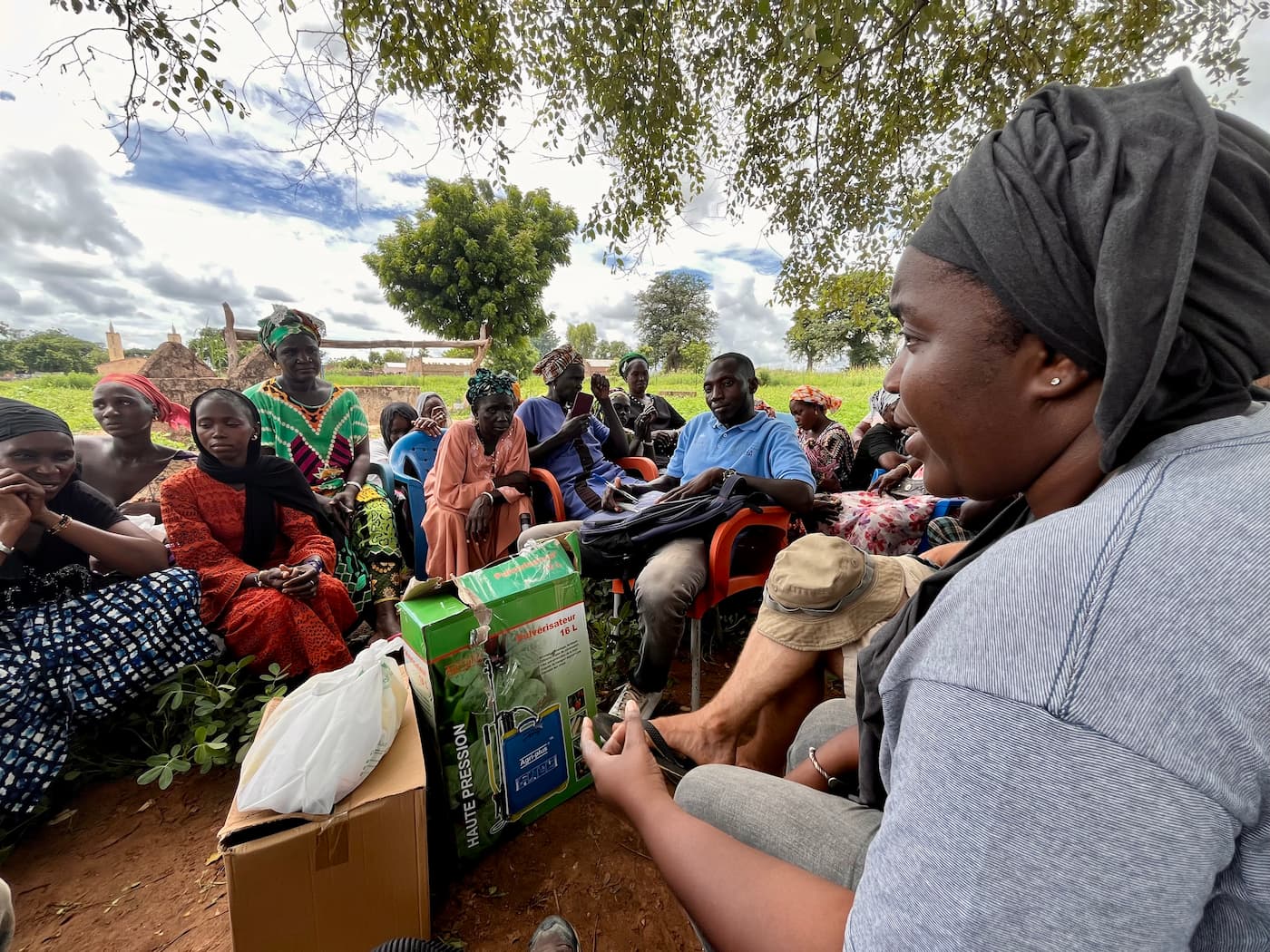
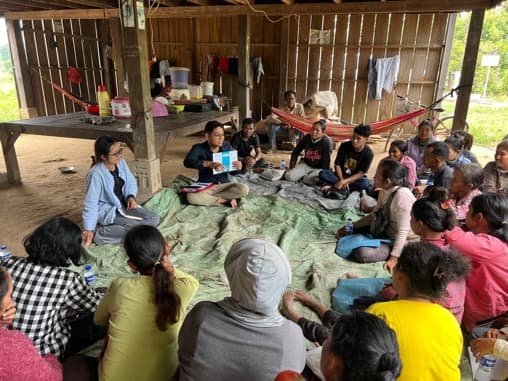
Community participation is central to every Rain Community.

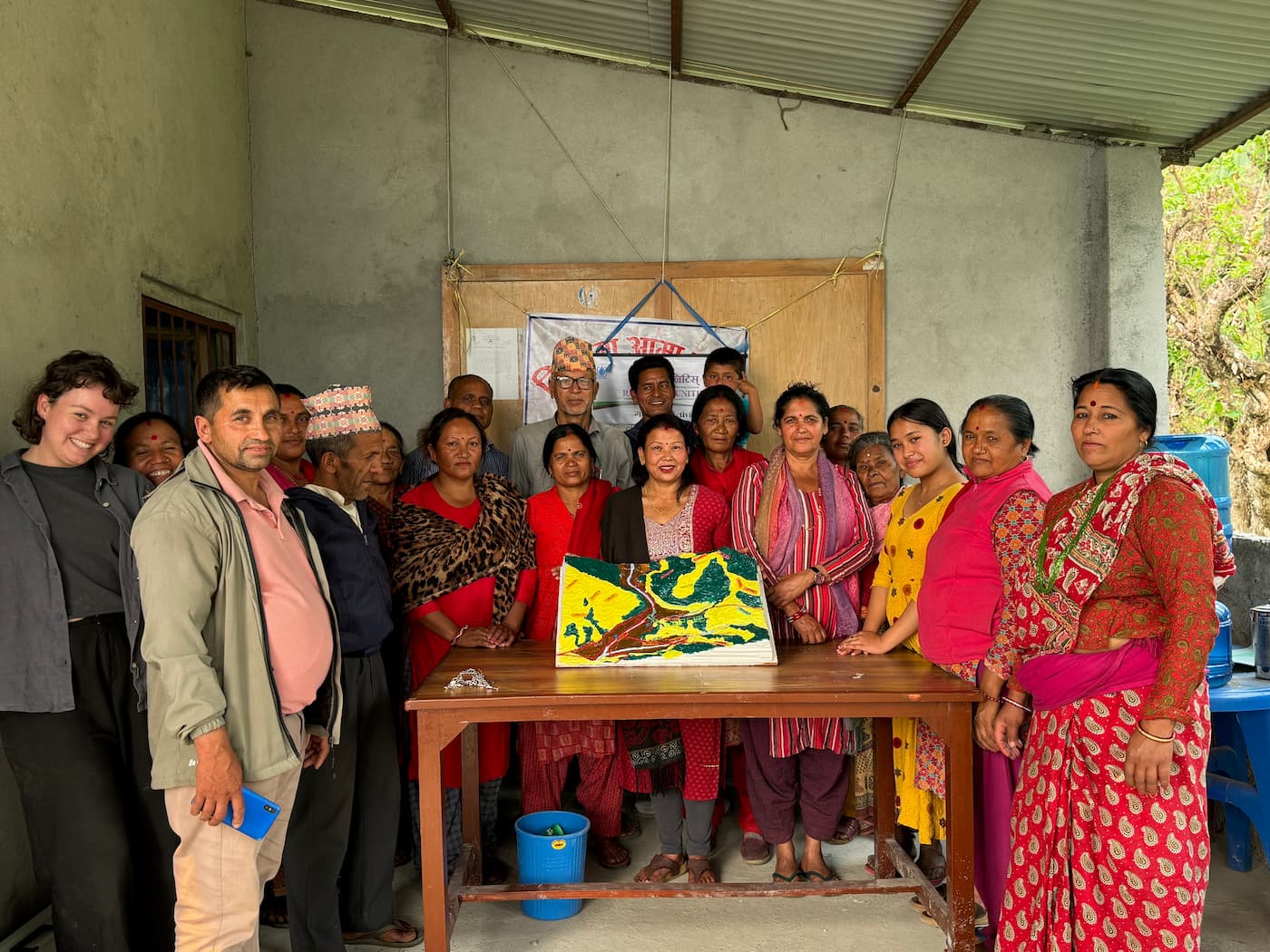
Through participatory tools such as 3D mapping and risk analysis, communities assess their landscapes, identify vulnerabilities, and co-design solutions aligned with their priorities.

Implemented with trusted local partners, these projects strengthen local knowledge, governance, and technical skills, ensuring that systems are maintained, adapted, and expanded over time.

A Rain Community is not a single project.
It is a long-term pathway toward resilience rooted in people, land, and water.