OUR
IMPACT

Real Lives. Measurable Impact.

The Power of
Rainwater Harvesting

Beehives

Ferrocement Cisterns (Calabash / Pumpkin Cistern)

Ferrocement Cisterns (Calabash / Pumpkin Cistern)

Ferrocement Cisterns (Calabash / Pumpkin Cistern)

Gutters

First-Flush Filter

House Water Treatment (HWT)

Terracing

Spring Rehabilitation

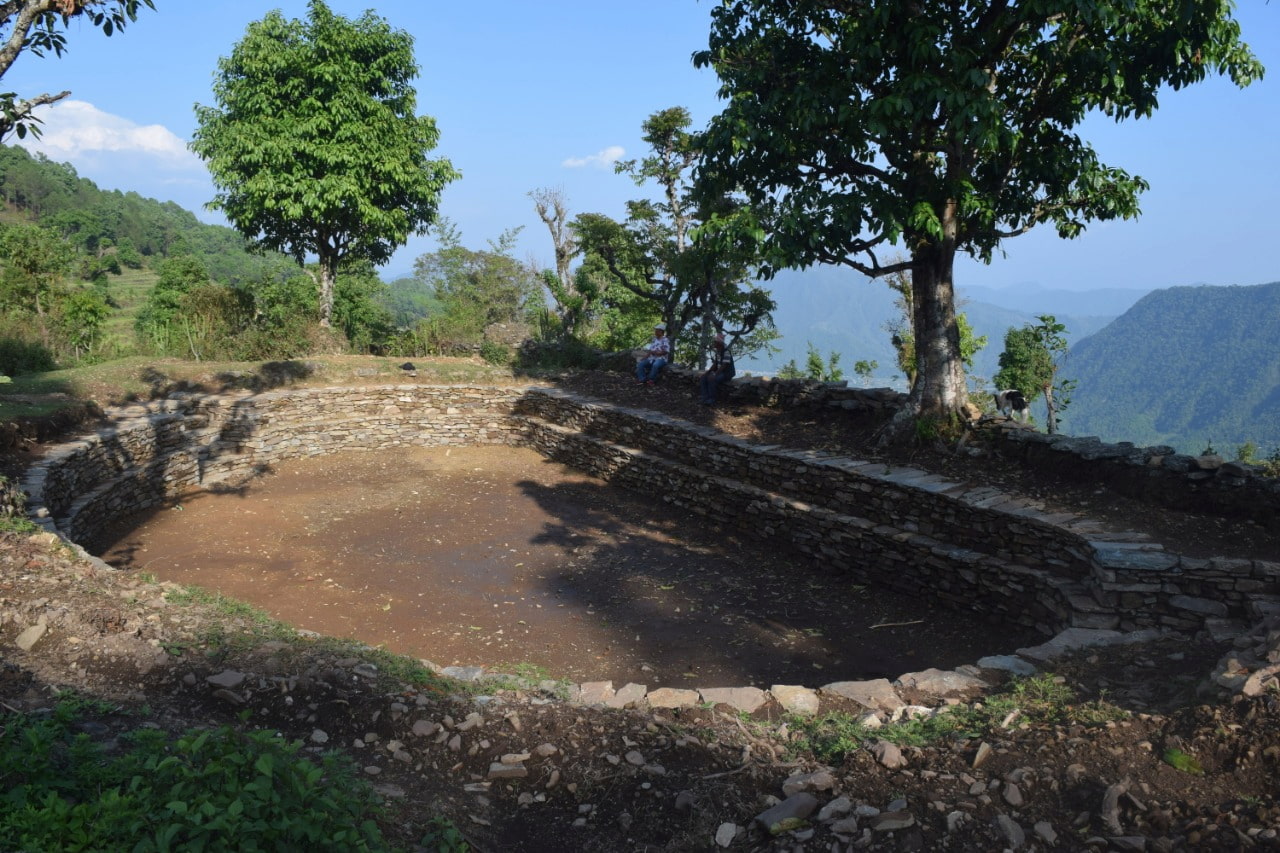
Retention Ponds (Pokharis, Boulis)

Retention Ponds (Pokharis, Boulis)

Gabions and Earth Bunds

Tree Nursery

Bocage - Hedgerow Landscapes

Mangrove Replanting

Half Moons Zaï Pits

Stone Bunds / Vegetative Bunds / Earth Bunds

Seed Bank

Mushroom Farm

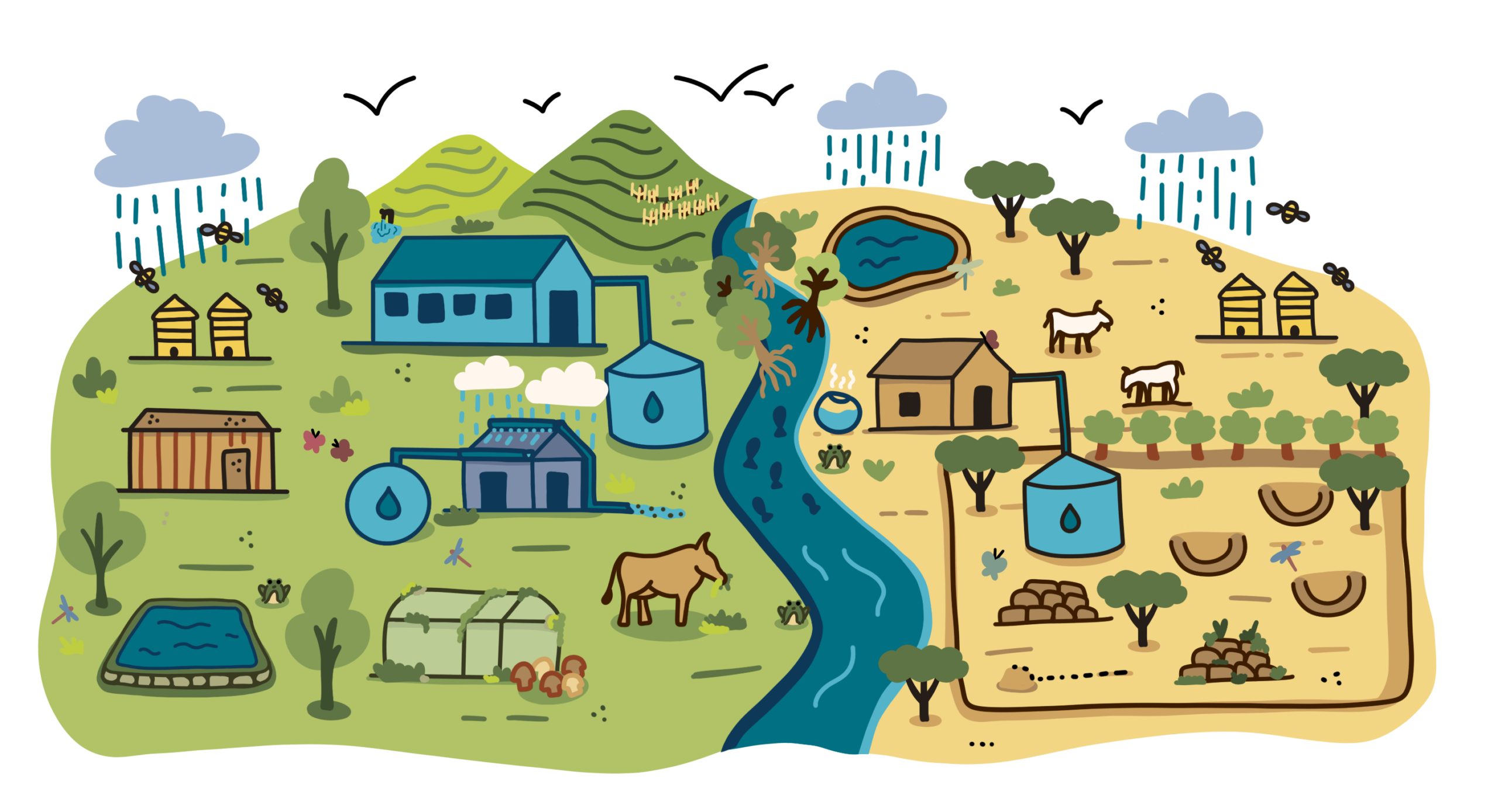
When captured, filtered, and stored, it sustains households, feeds crops, and recharges soils.
When guided through terraces, bunds, or vegetative barriers, it prevents erosion and floods.
When combined with trees, roots, and local knowledge, it brings life back to degraded land.

These techniques are applied in highlands, midlands, drylands, and even cities, proving that rainwater harvesting is relevant everywhere !

In schools, on farms, and across fragile ecosystems, nature-based and community-led approaches form IRHA’s Water–Soil–Tree Triptych, a living cycle where each element supports the other and strengthens ecosystem resilience.

From Hilly Regions to Drylands: Nature-based Solutions at Work.

Our Impact up to Now

Reach & Beneficiaries

total people impacted
0
direct beneficiaries
0
indirect beneficiaries
0

Rainwater for Water,
Sanitation and Hygiene

litres of safe rainwater
delivered in 2024 alone.

0

school toilets constructed
for boys and girls.

0

urinals installed.

0

Integrated Water Resources
Management (IWRM) trainings
delivered.

0

handwashing units built.

0

water storage tanks
constructed.

0
springs rehabilitated.
0

We Have Been Delivering Low-tech, Sustainable Rainwater Harvesting Solutions to Communities Most Vulnerable to Climate Change.

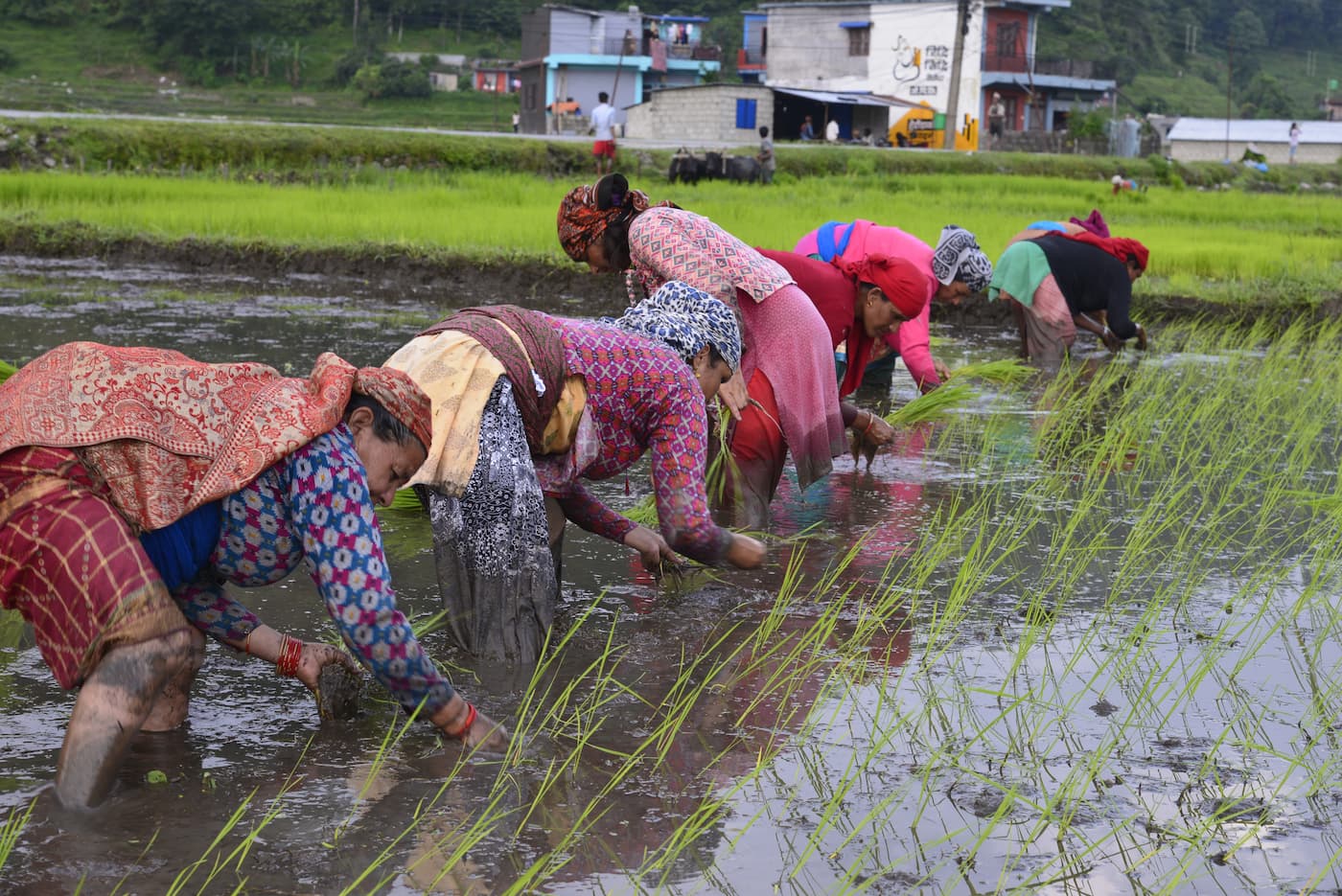
Rain-Fed Agriculture
and Food Sovereignty

hectares of farmland restored.
0
schools and community
gardens established.
0
meters of earth bunds built.
0
half-moon rainwater infiltration
structures completed.
0
meters of hedgerows planted.
0

Disaster Risk Management
and Ecosystem Restoration

trees planted.
0
meters of stone bunds built.
0
meters of gaboon's constructed.
0

Community-Led

management committees established for all restored areas.

reforestation

and watershed rehabilitation in Senegal and Nepal.

Biodiversity

recovery in restored sites (observed increases in vegetation cover and pollinator presence).

Before After Before After

When water is a walk.

A strong impact on time,
dignity, and opportunity.

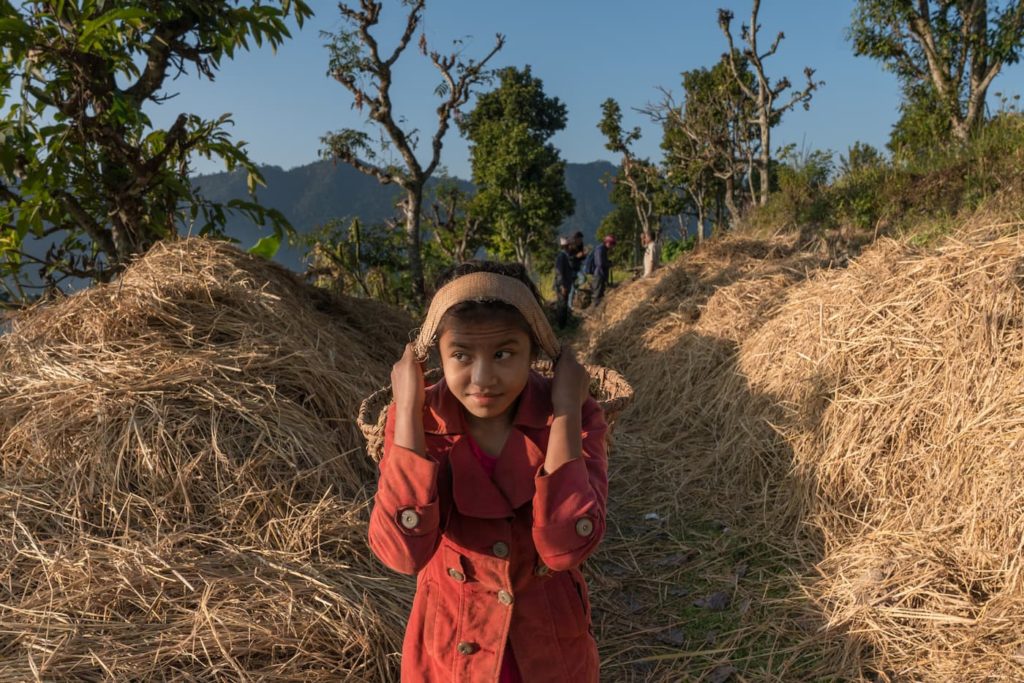
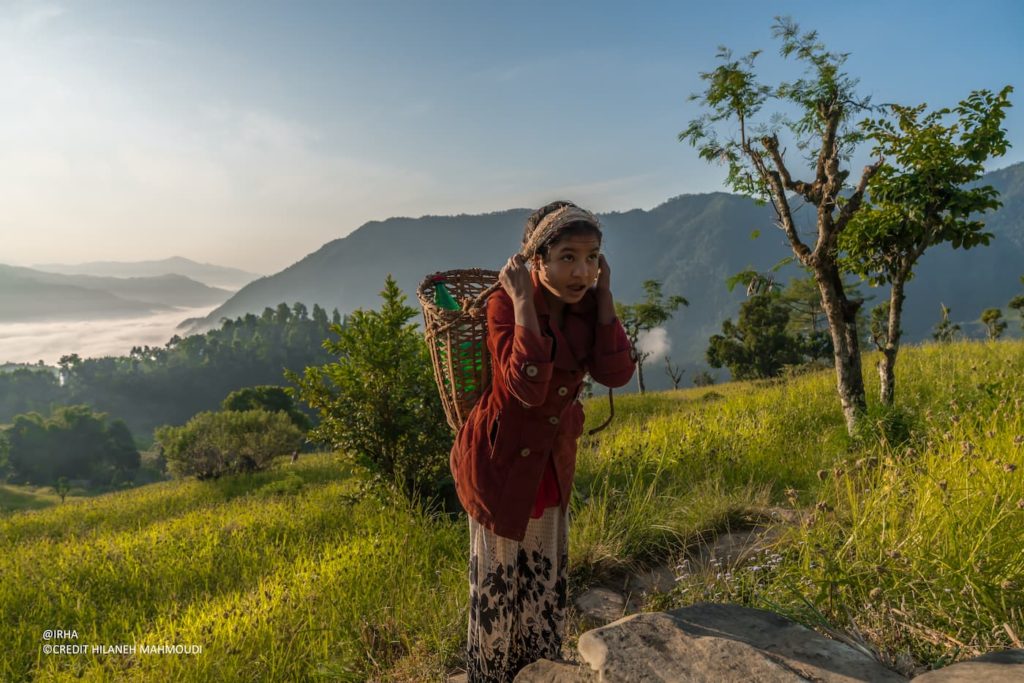
In many rural contexts, such as in Nepal, girls spend 2 to 4 hours every day walking to fetch water. Time taken from school, rest, and childhood.


When rainwater infrastructure is available at home, that journey ends. The impact is immediate. Hours are given back to learning, safety, and opportunity.

You can change a girl's life.
It starts with one simple act.

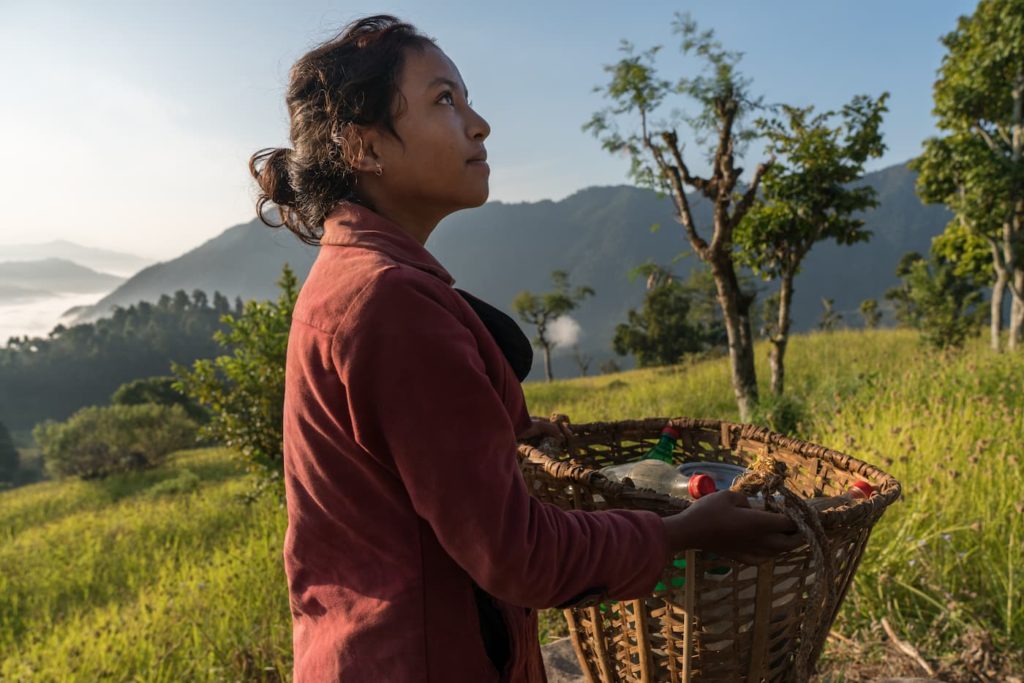
“Before, I walked a long way for water. Now it’s at home. I can spend more time with my family, and at my Blue School, we have clean water too. Life is different now.”
Sushmita, Tobang, Nepal

Global Impact & the
UN SDG’s

10 goals,
one drop
at a time.

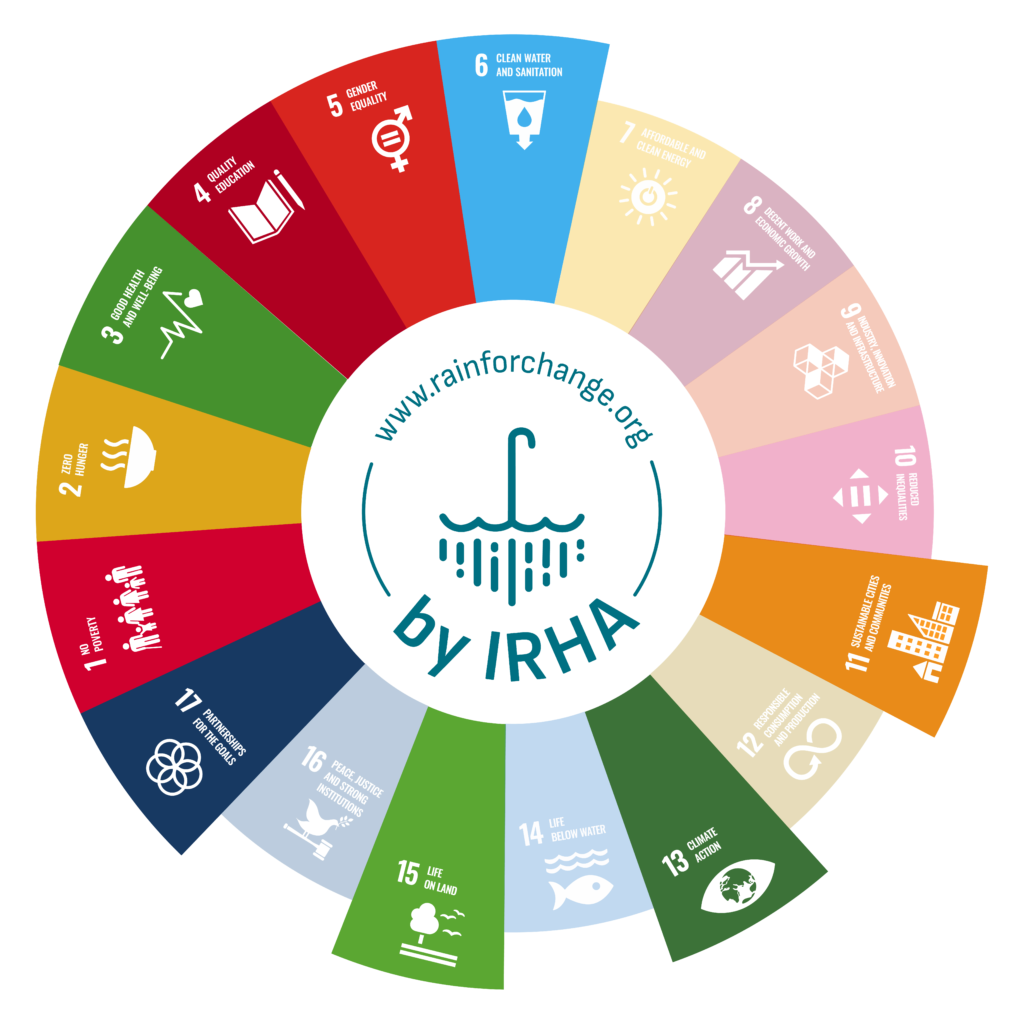
IRHA contributes directly to ten of the United Nations Sustainable Development Goals (SDGs) under the 2030 Agenda for Sustainable Development, by linking water and health outcomes with climate-smart development, resilient infrastructure, education, land stewardship, and gender equality.

Reduce economic vulnerability

Enable resilient rain-fed farming

Prevent disease through safe water and hygiene

Safe, dignified learning through blue Schools

Women-led farming & decision-making

Rain for WASH

Urban rainwater & green infrastructure

Mitigation + adaptation at the grassroots level 

Reforestation & ecosystem regeneration

Networks and global-local cooperation

From water to dignity.
From soil to sovereignty.