Projects are currently implemented in Senegal, Nepal, Sri Lanka, and Cambodia, with supporting activities in Uganda and Switzerland.
Across diverse landscapes and contexts, work is structured around four programs addressing water access, food systems, ecosystem restoration, disaster risk, and urban resilience.
We apply rainwater solutions. Worldwide. Across landscapes.
Rainwater for Water, Sanitation & Hygiene
Where dignity begins with a drop.
The challenge
Access to safe water and sanitation remains unequal, especially in rural areas, schools, and health centers where centralized systems are absent or unreliable.
The daily burden of water collection continues to affect health, education, and dignity — particularly for women and girls.
Our response
See how we respond
Rainwater, when properly managed, becomes a reliable local resource. This program transforms rooftops into water sources and pairs infrastructure with community engagement to ensure safe and lasting use.
Outcomes
See the change we make
Rainwater harvesting systems for drinking water
Sanitation and handwashing facilities
Hygiene awareness and household water treatment where needed
Training for local actors on maintenance and governance
Rain-Fed Agriculture & Food Sovereignty
Where water meets soil, harvests return.
The challenge
Soil degradation, erratic rainfall, and climate extremes threaten rain-fed agriculture — the backbone of food security and rural livelihoods in many regions.
Our response
See how we respond
By managing rainwater at field and landscape level, soils regain fertility and farming systems become more resilient. This program strengthens food sovereignty through agroecological practices adapted to local contexts.
Outcomes
See the change we make
Agroecology and agroforestry systems
Soil and water conservation measures
Water retention, infiltration, and recharge structures
Training and knowledge exchange with farmers and cooperatives
Disaster Risk Management & Ecosystem Restoration
Protecting people by restoring nature.
The challenge
Deforestation, erosion, and ecosystem degradation increase exposure to floods, landslides, droughts, and water scarcity. As climate extremes intensify, vulnerable communities face growing risks.
Our response
See how we respond
Healthy ecosystems act as natural buffers. By restoring landscapes and managing water at watershed level, disaster risks are reduced while biodiversity and ecosystem services recover.
Outcomes
See the change we make
Watershed-scale planning and coordination
Reforestation and ecosystem restoration
Erosion control, slope stabilization, and flood mitigation
Capacity building for local institutions and land managers
Rain in the City
Sponge cities, thriving ecosystems.
The challenge
Urbanization has disconnected cities from the natural water cycle. Stormwater runoff, flooding, and heat islands are increasing, while rainwater is still treated as waste rather than a resource.
Our response
See how we respond
Rainwater can be reintegrated into cities through nature-based solutions. This program focuses on expertise, awareness, and advocacy to support more resilient urban water management.
Outcomes
See the change we make
Urban rainwater management expertise
Professional training and awareness-raising
Advocacy for integrated water strategies
Local Experiences
Shared with You
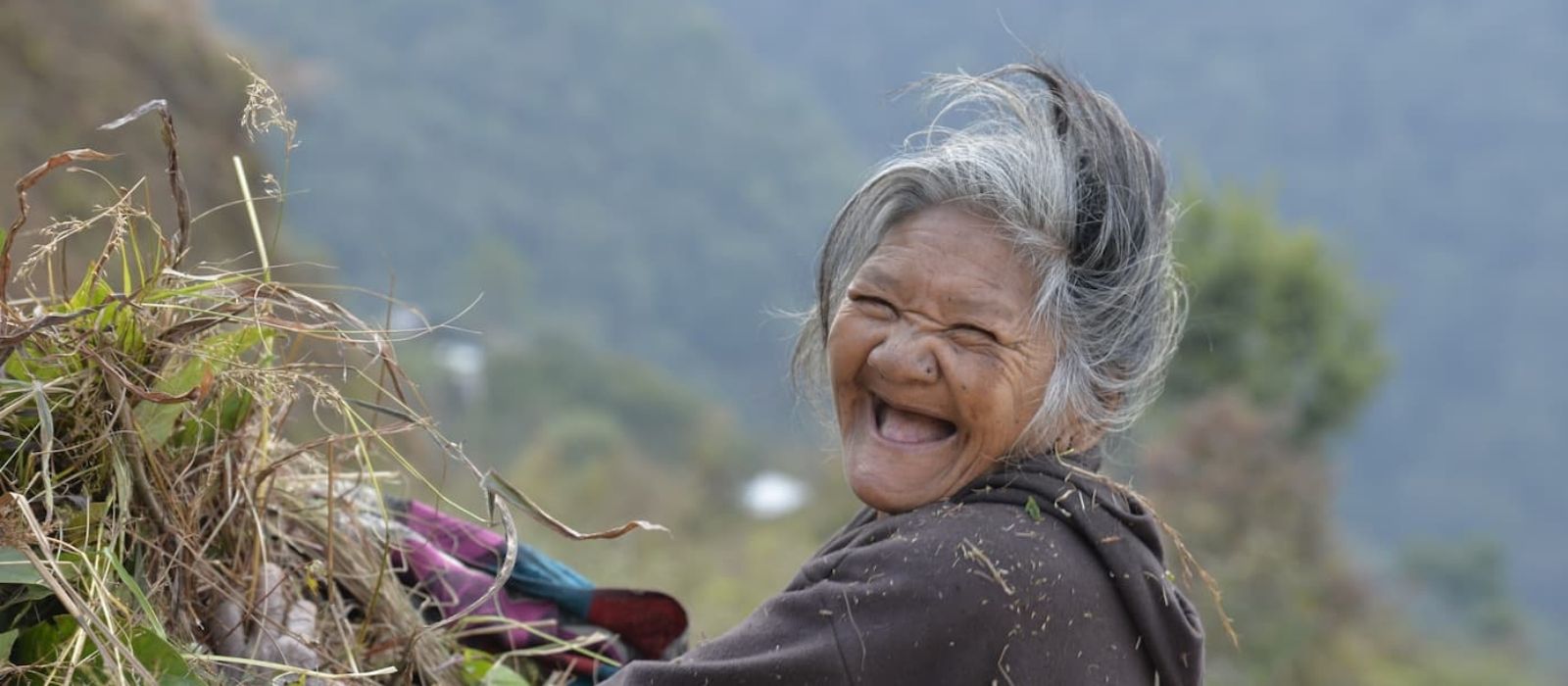
Before, we always worried about water. Now, when it rains, I smile. I know my fields will grow.
Maya Gurung, Pokhara, Nepal
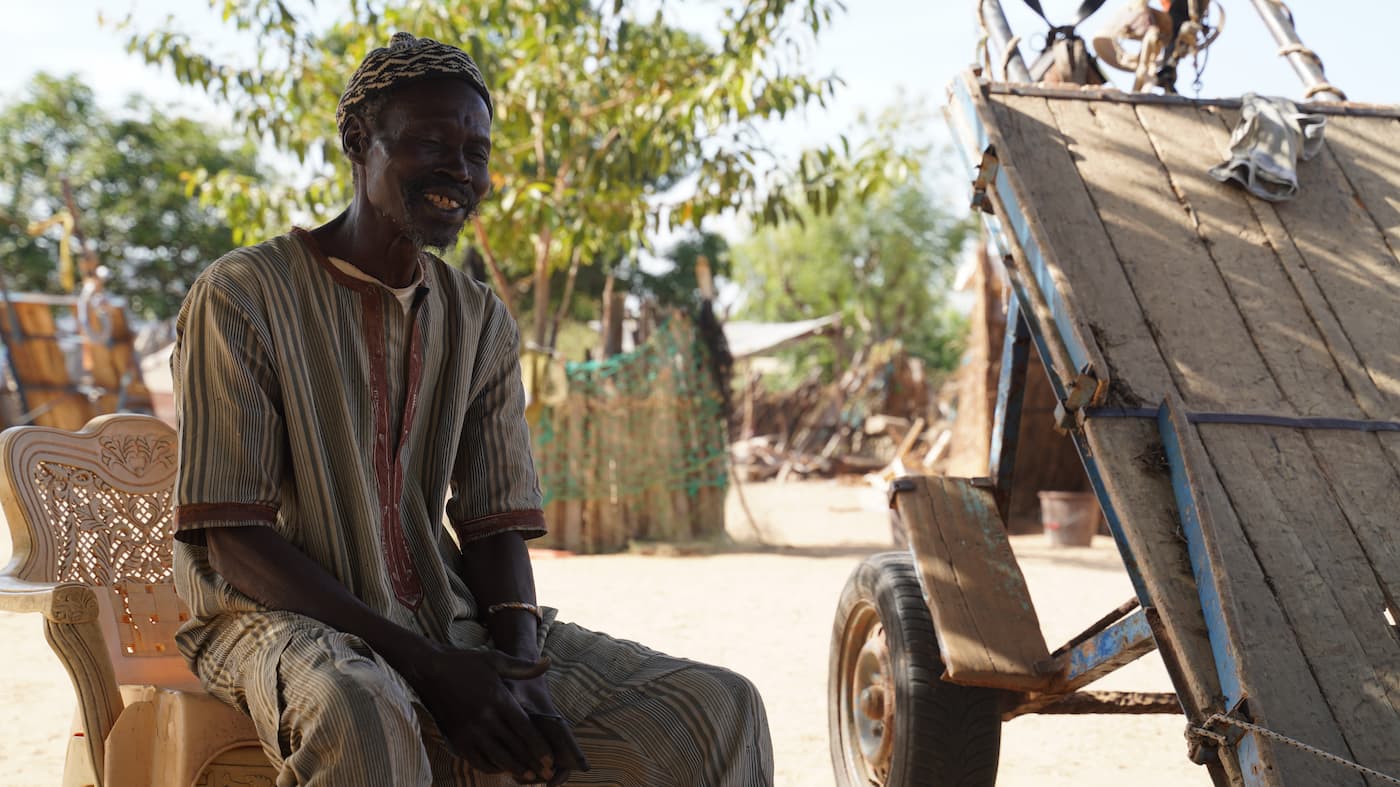
We used to wait for water trucks. Now we wait for clouds.
M. Sarr, Djilassé, Senegal
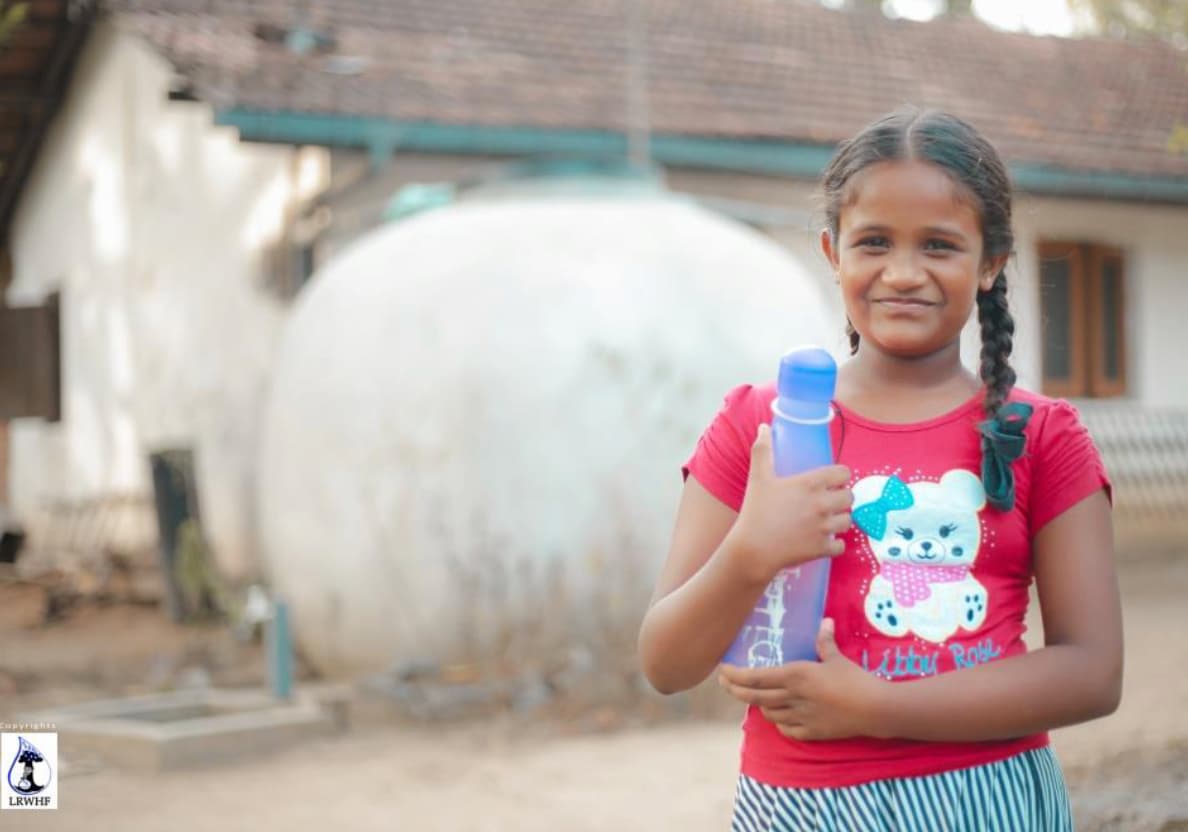
I can go to school on time. I don’t spend a long time getting water anymore.