Quick fixes don't restore water cycles. Regenerative systems do.
Solutions are grounded in science, local knowledge, and nature based approaches, designed for long term impact beyond a project cycle.
Across diverse landscapes and contexts, work is structured around four programs addressing water access, food systems, ecosystem restoration, disaster risk, and urban resilience.
From Cycle to Action
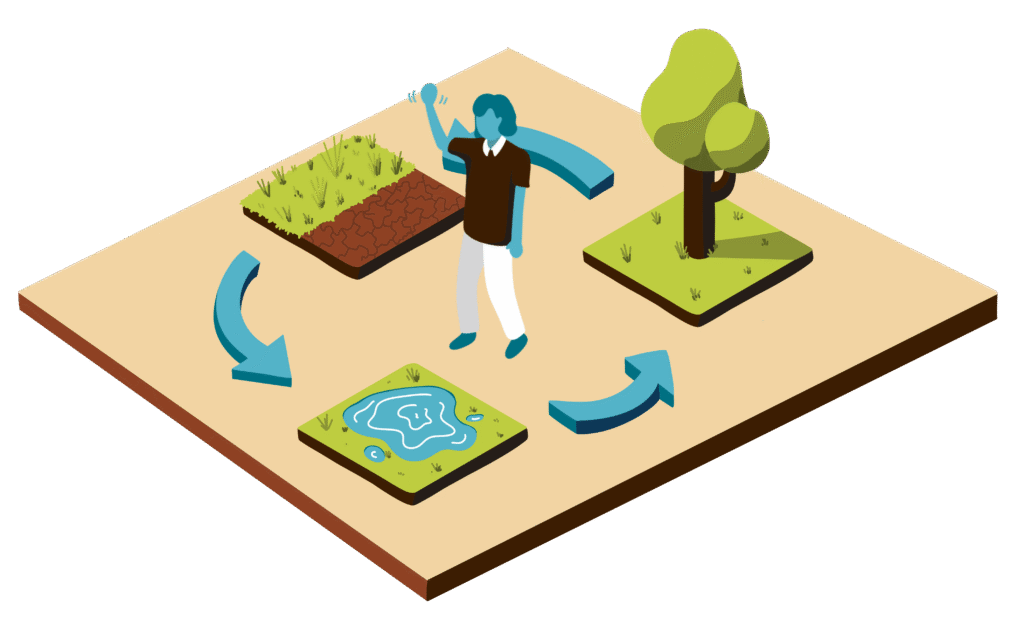
Rain links it all: water, soil, trees.
Every intervention aligns with this natural cycle: from the rain captured, to the land restored, to the ecosystems strengthened. This simple logic guides decisions from household systems to watershed-scale planning.
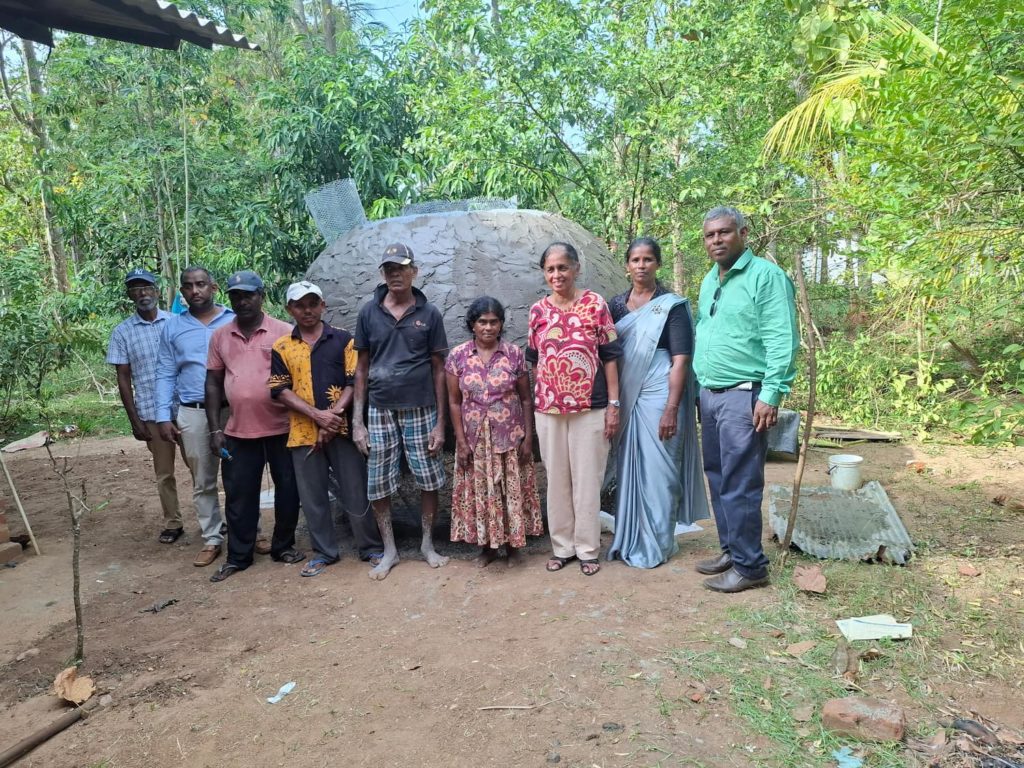
We deliver low-tech, sustainable rainwater harvesting solutions to communities most vulnerable to climate change.
Our Focus
Knowledge Sharing
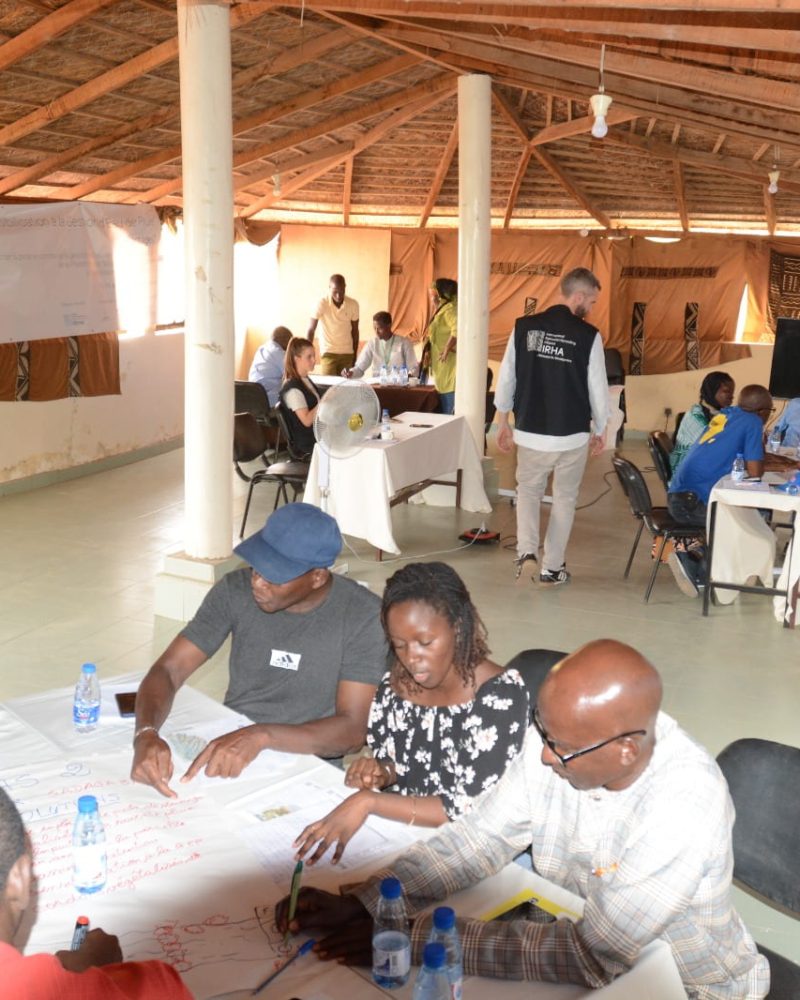
Each project is conceived as a collective learning process.
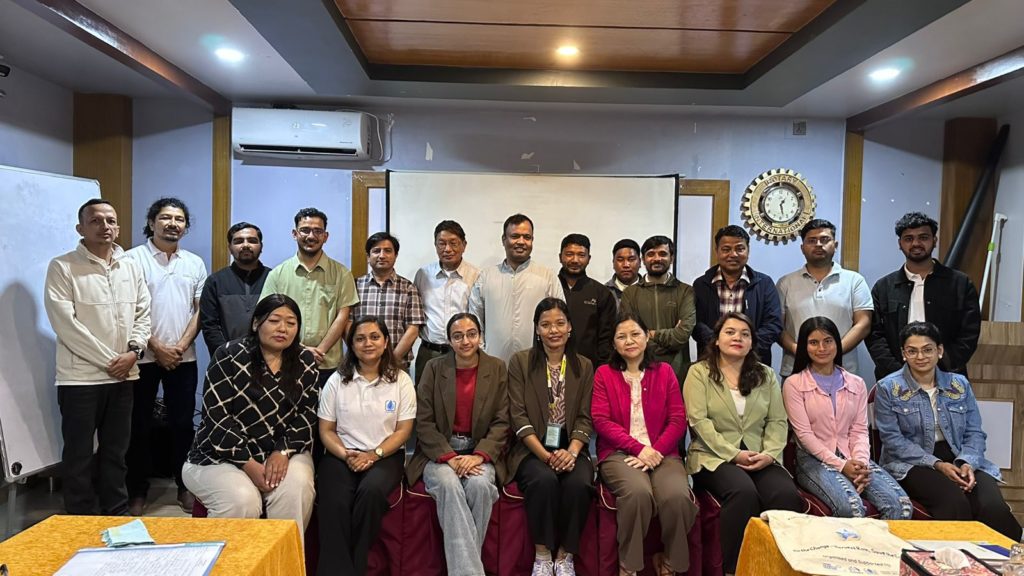
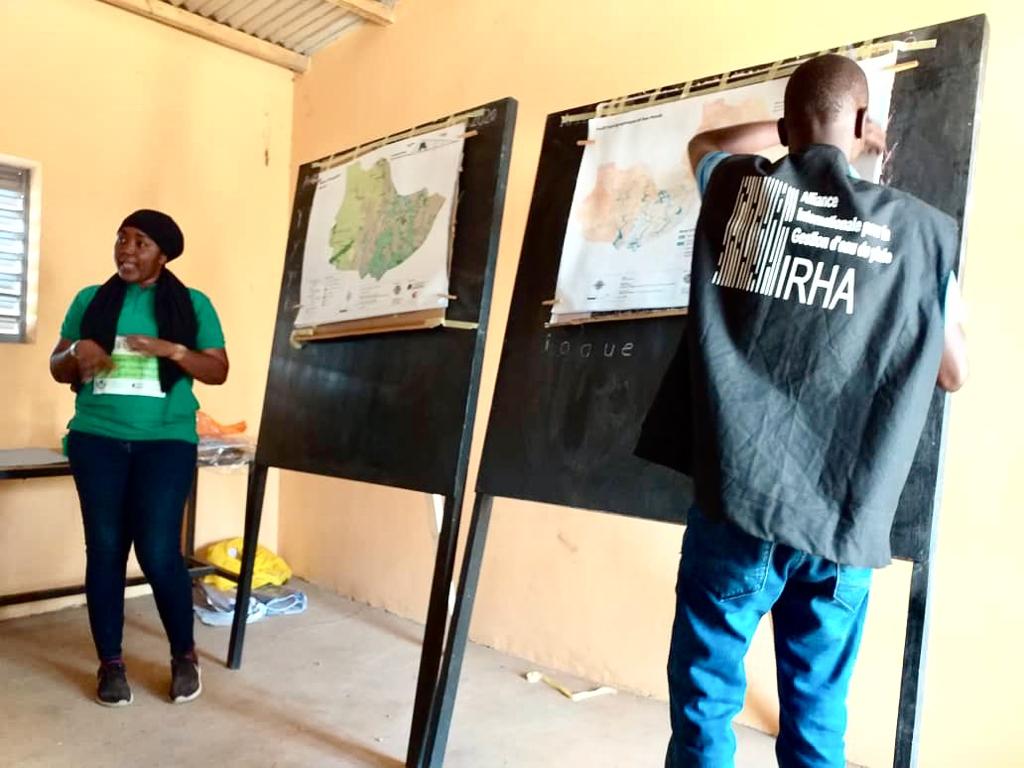
Practical knowledge is exchanged among communities, local partners, schools, and institutions, in coherence with national and regional water, land, and environmental governance frameworks.
This enables solutions to be adapted, replicated, and scaled across contexts, a key driver of sustainable impact.
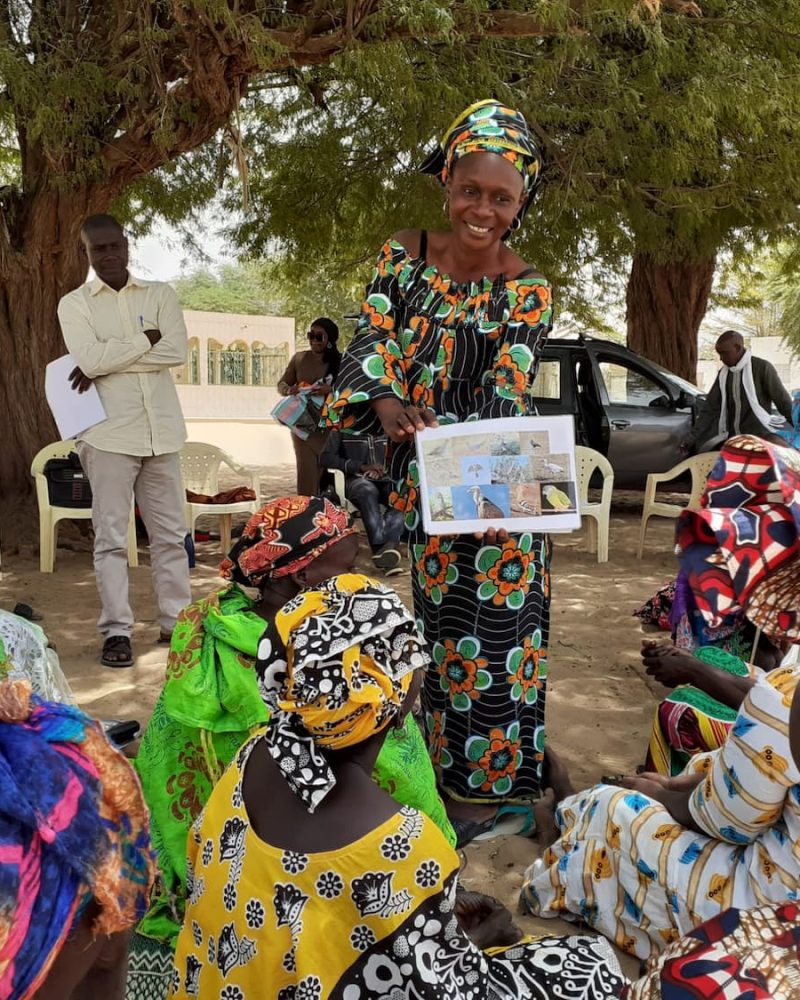
Capacity Building
IRHA invests in strengthening local capacities so that water and land systems can be managed, maintained, and governed autonomously.
Through training, mentoring, and hands-on practice, technical competencies and decision making responsibilities remain anchored locally, supporting resilience beyond the duration of a project.
Women, Girls and Livelihoods
In many contexts, women and girls bear primary responsibility for water collection, often travelling long distances to access water.
This exposes them to health risks, insecurity, and in some settings harassment or violence, while reducing time available for education and schooling.
At the same time, women play a central role in agriculture and household income generation.
By reducing the burden of water access and strengthening women’s leadership, skills, and participation, projects contribute directly to water safety including menstrual health, improved education outcomes, food security, and economic resilience.
Community Ownership
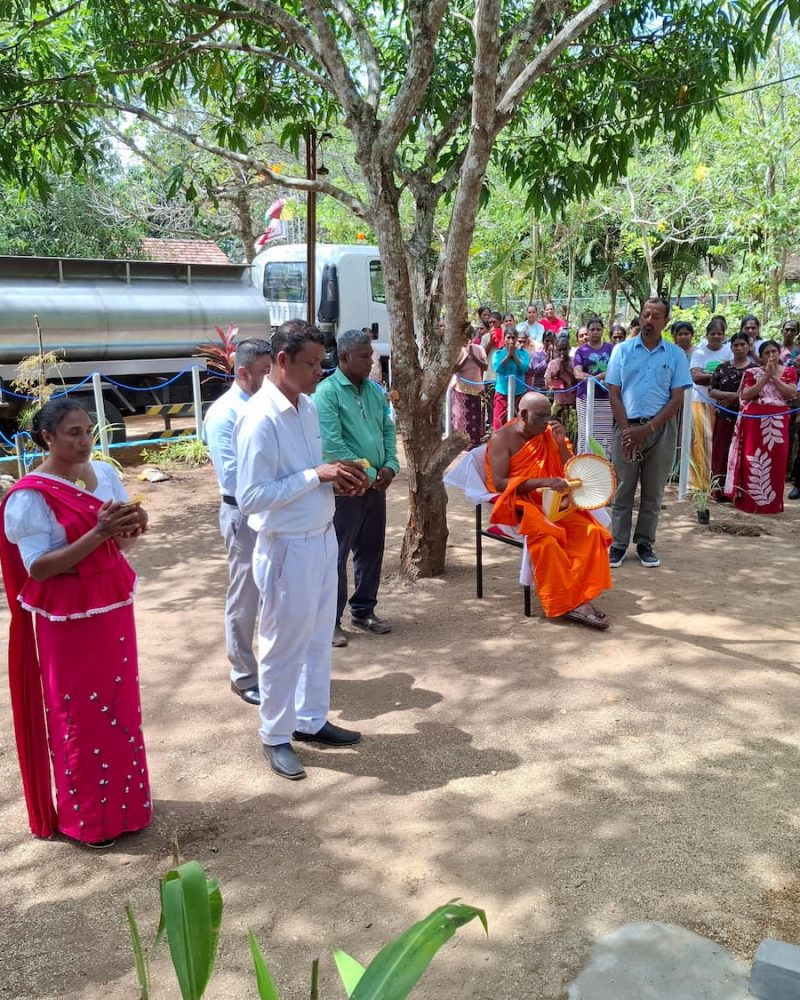
Projects are developed through inclusive participation and shared responsibility with communities.
Local priorities, knowledge, and governance mechanisms guide and shape each intervention, reinforcing ownership, accountability, and long-term engagement beyond project completion.
Meet our Partners on the Ground
Locally rooted. Lasting impact.
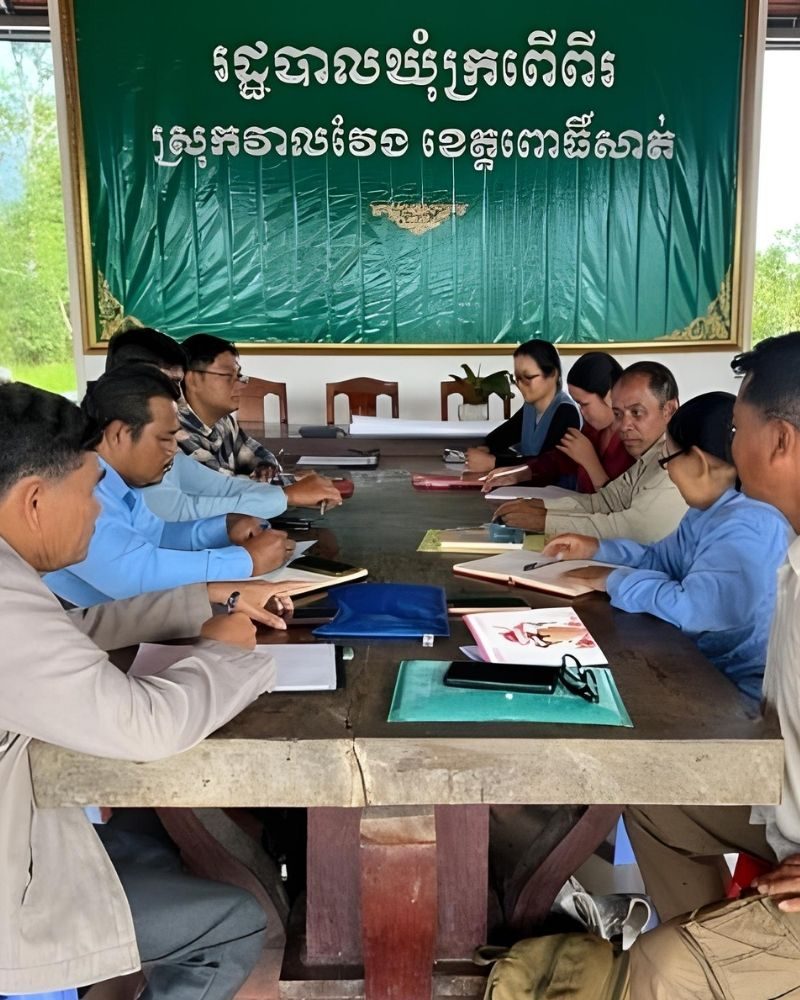
IRHA works in close partnership with trusted local implementation partners, including Alliance members, embedded in their territories and institutional ecosystems.
Their long-term presence ensures continuity, accountability, and alignment with local systems and public frameworks.