Rain Communities (Phase 2)

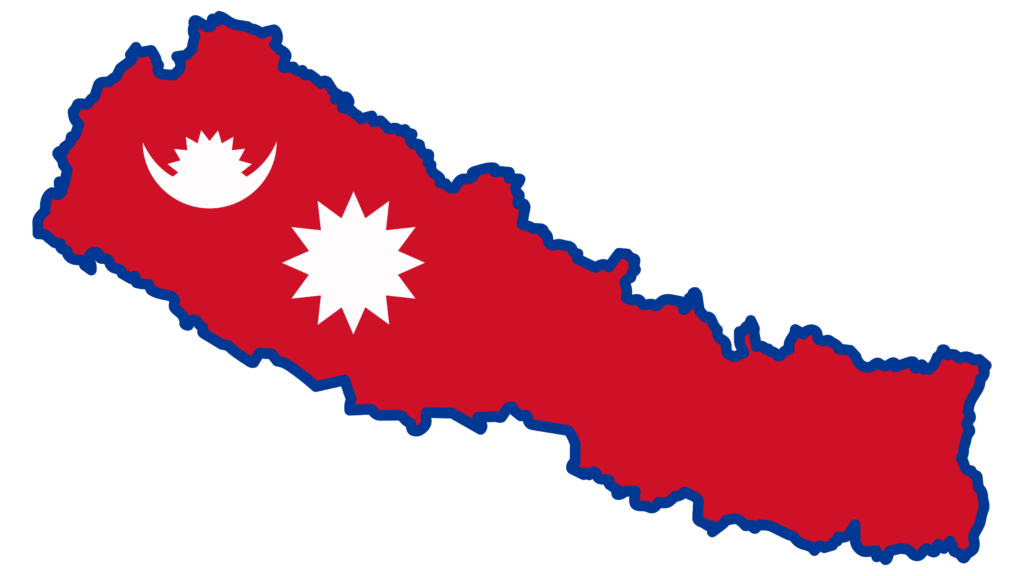
Nepal · Tobang District (Chitwan) & Pokhara District (Kaski)

Disaster Risk Management & Ecosystem Restoration

2023–2026 · Ongoing

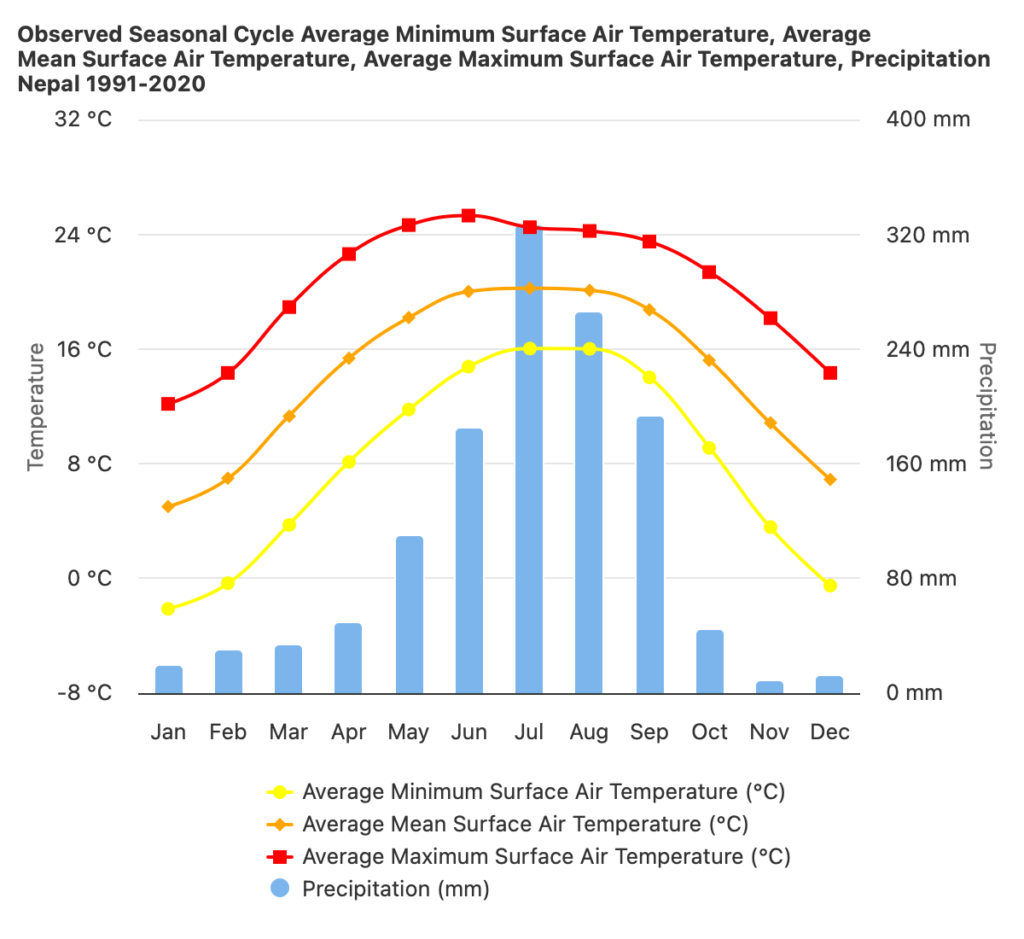
Landscape & Rainfall Context

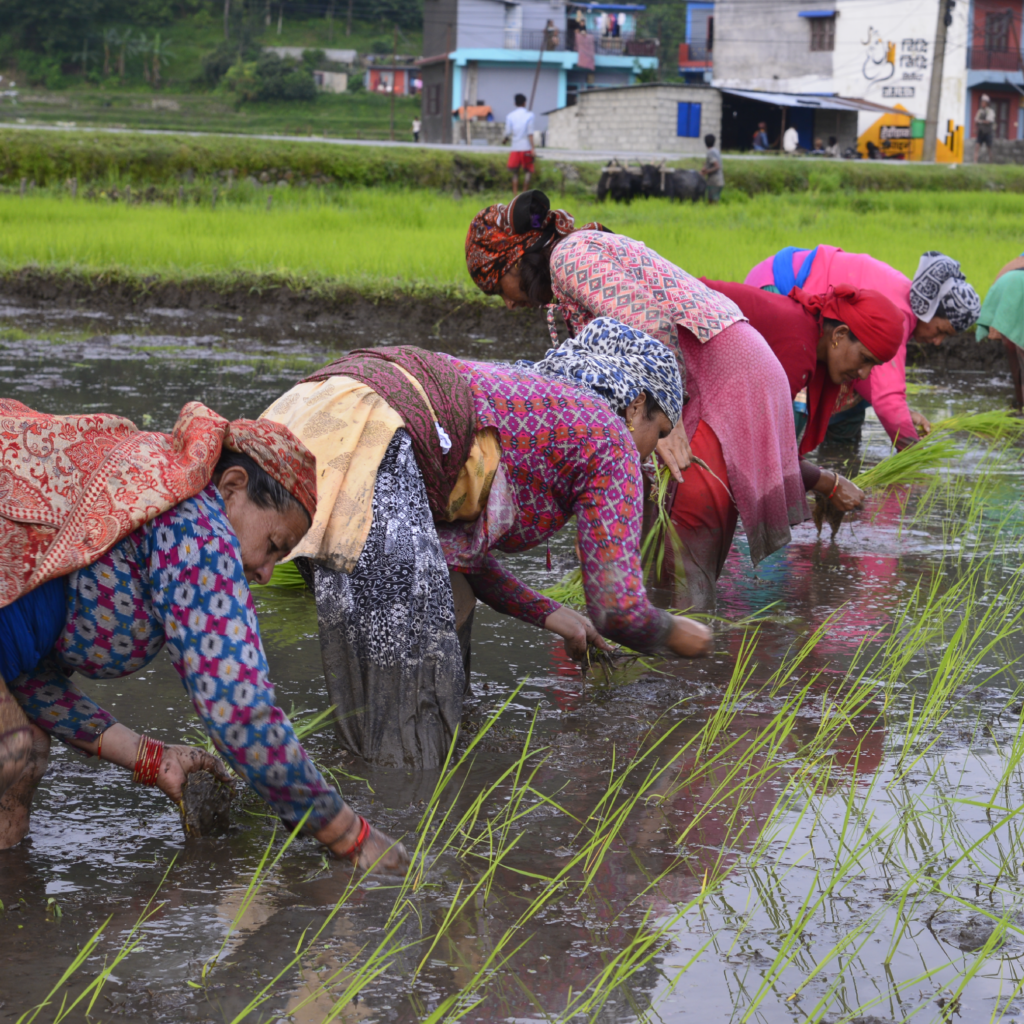
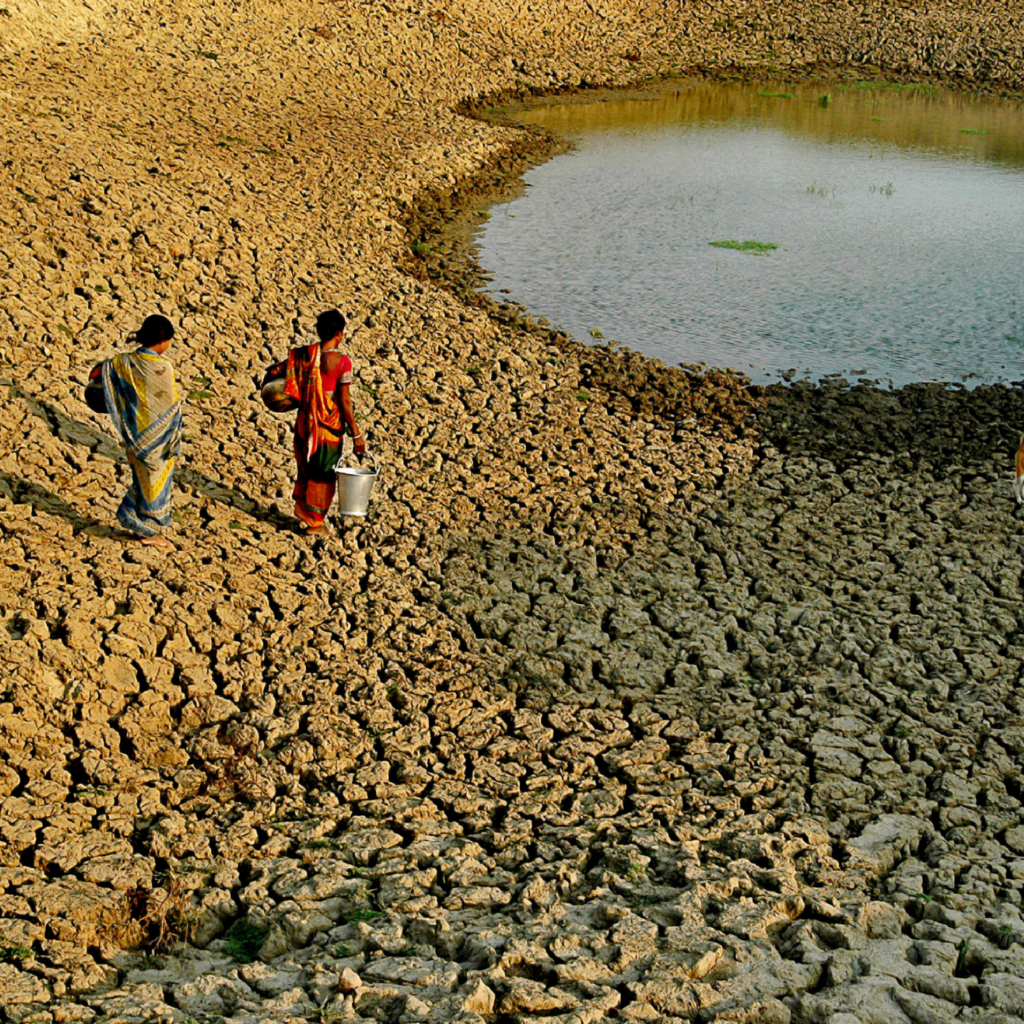
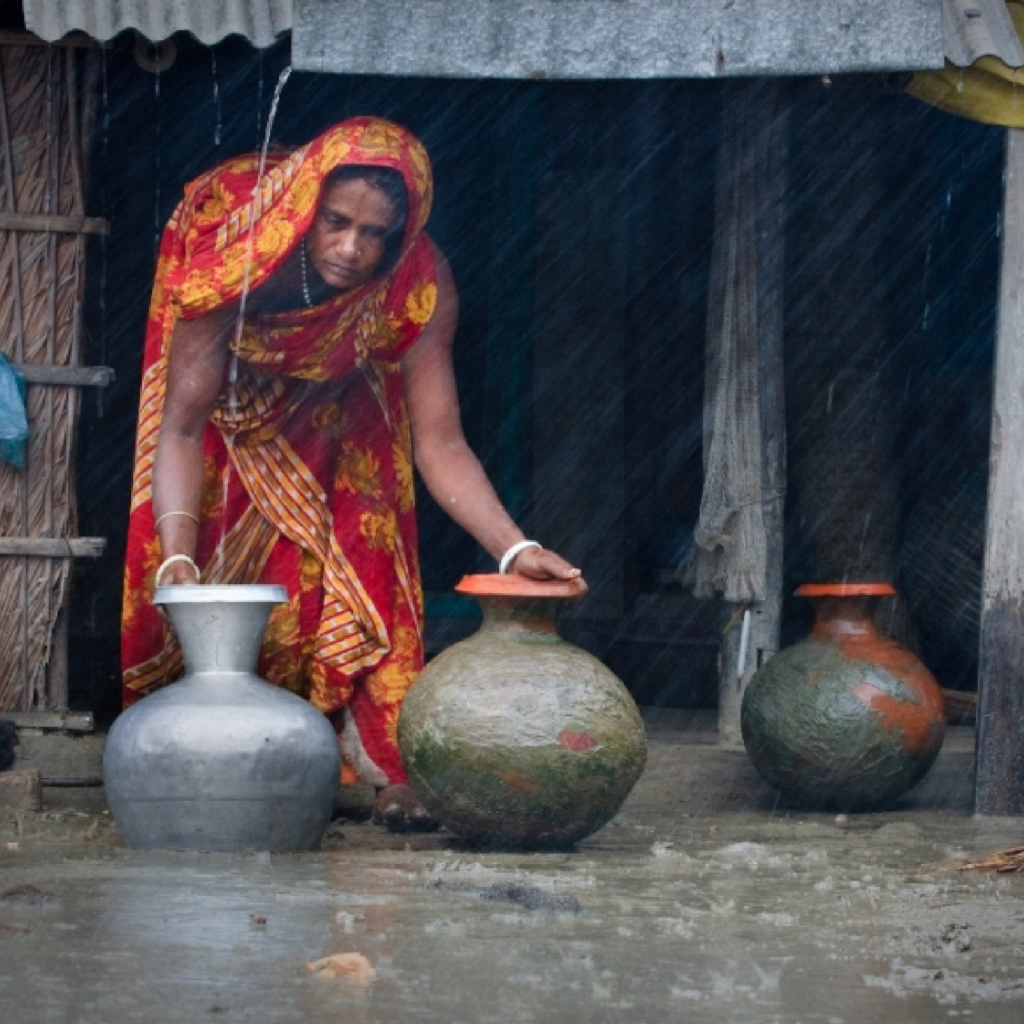
Mid-hill and mountainous regions affected by increasing rainfall variability, intense monsoon events, and longer dry periods.

Project Focus

Strengthen community resilience to climate change by restoring ecosystem functionality, improving water availability, reinforcing agricultural systems, and supporting collective and sustainable natural resource management at catchment basin level.


Key Solutions Implemented

Rainwater harvesting | watershed management | spring rehabilitation | retention ponds | reforestation | agroecological practices | 3D participatory and risk mapping | local governance support

Impact snapshot / Direct beneficiaries

2000

approx. households across 10 rain-fed communities

75

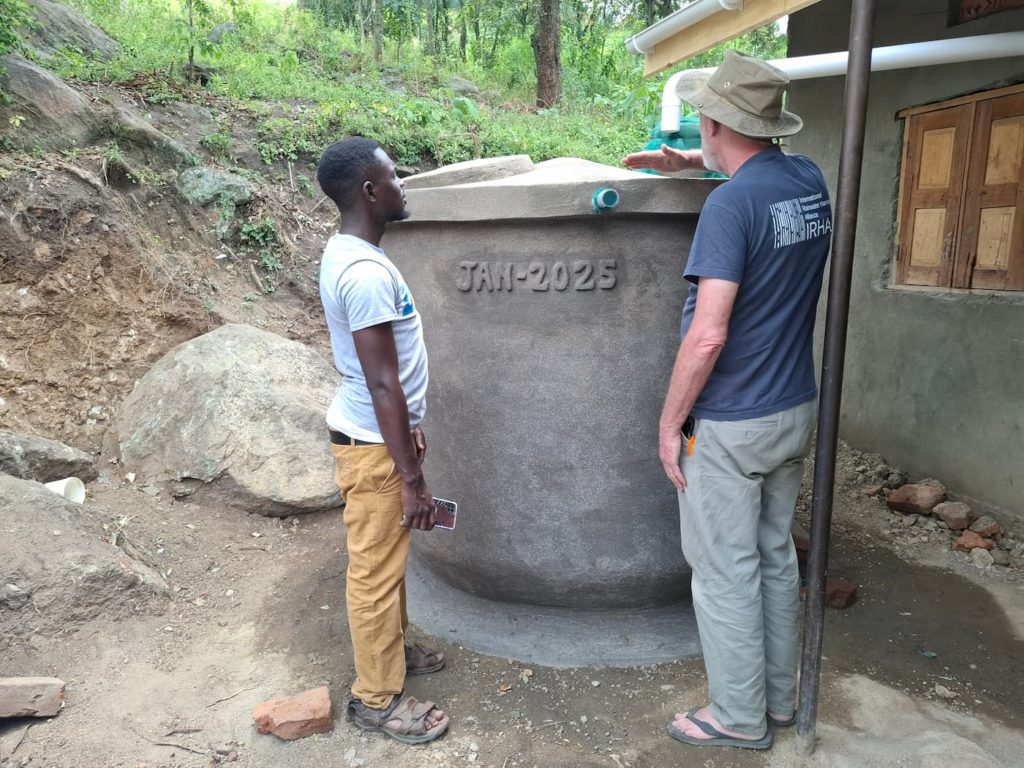
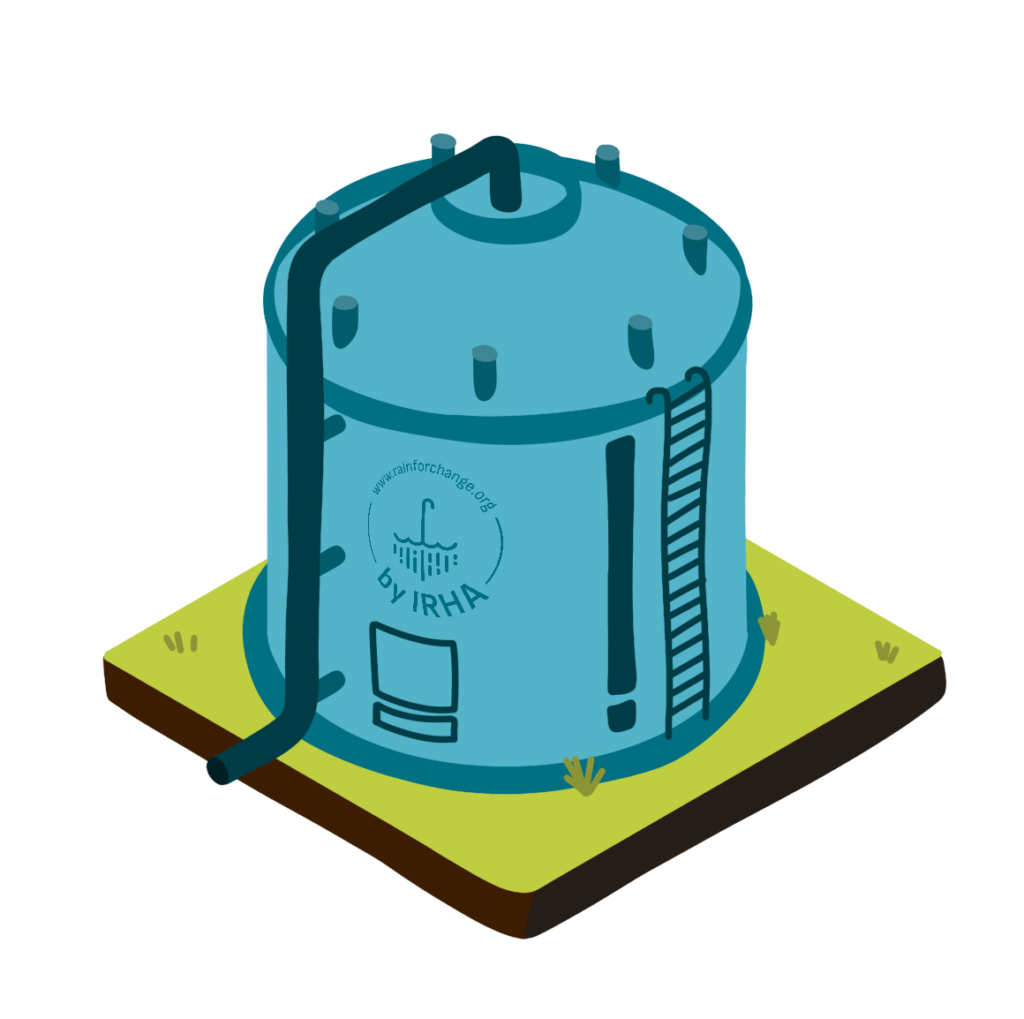
households equipped with rainwater harvesting tanks

35

households equipped with greenhouses for market gardening

300

households benefiting from spring rehabilitation

4500

households benefiting from retention pond rehabilitation

7500

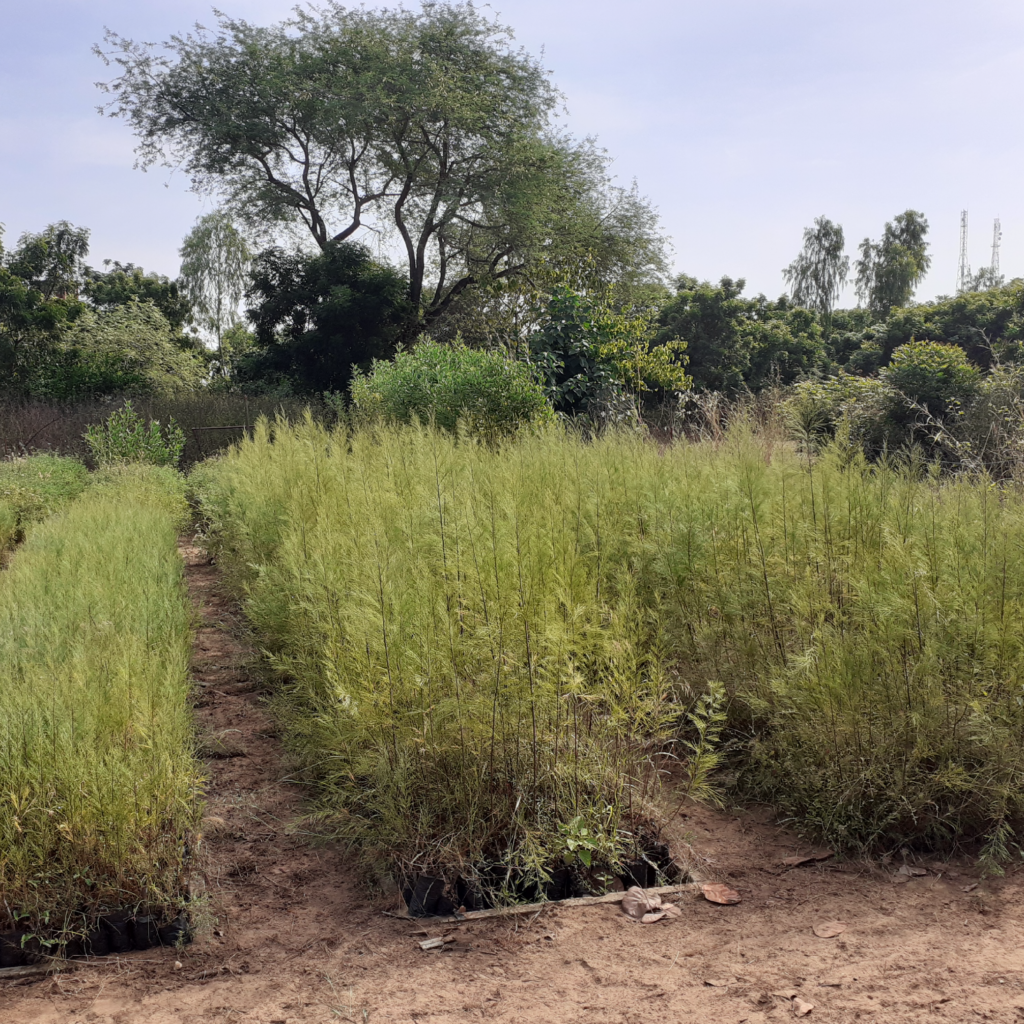
households benefiting from reforestation campaigns

100

local authority members engaged

Local implementation partners

Kanchan Nepal | LI-BIRD |SVSI / FECOFUN | Pokhara Metropolitan City | DWSS

Donors and supporters

Fédération Genevoise de Coopération (FGC) | Services Industriels de Genève (SIG) | L’Effet Papillon | Swisslos Aargau

Sustainable Development Goals

Reduce economic vulnerability

Enable resilient rain-fed farming

Prevent disease through safe water and hygiene

Safe, dignified learning through blue Schools

Women-led farming & decision-making

Rain for WASH

Urban rainwater & green infrastructure

Mitigation + adaptation at the grassroots level 

Reforestation & ecosystem regeneration

Networks and global-local cooperation

Rain Communities Nepal – Project factsheet (PDF)