Our Projects · Disaster Risk Management & Ecosystem Restoration
A kop ale no maag ole – La forêt de la mer
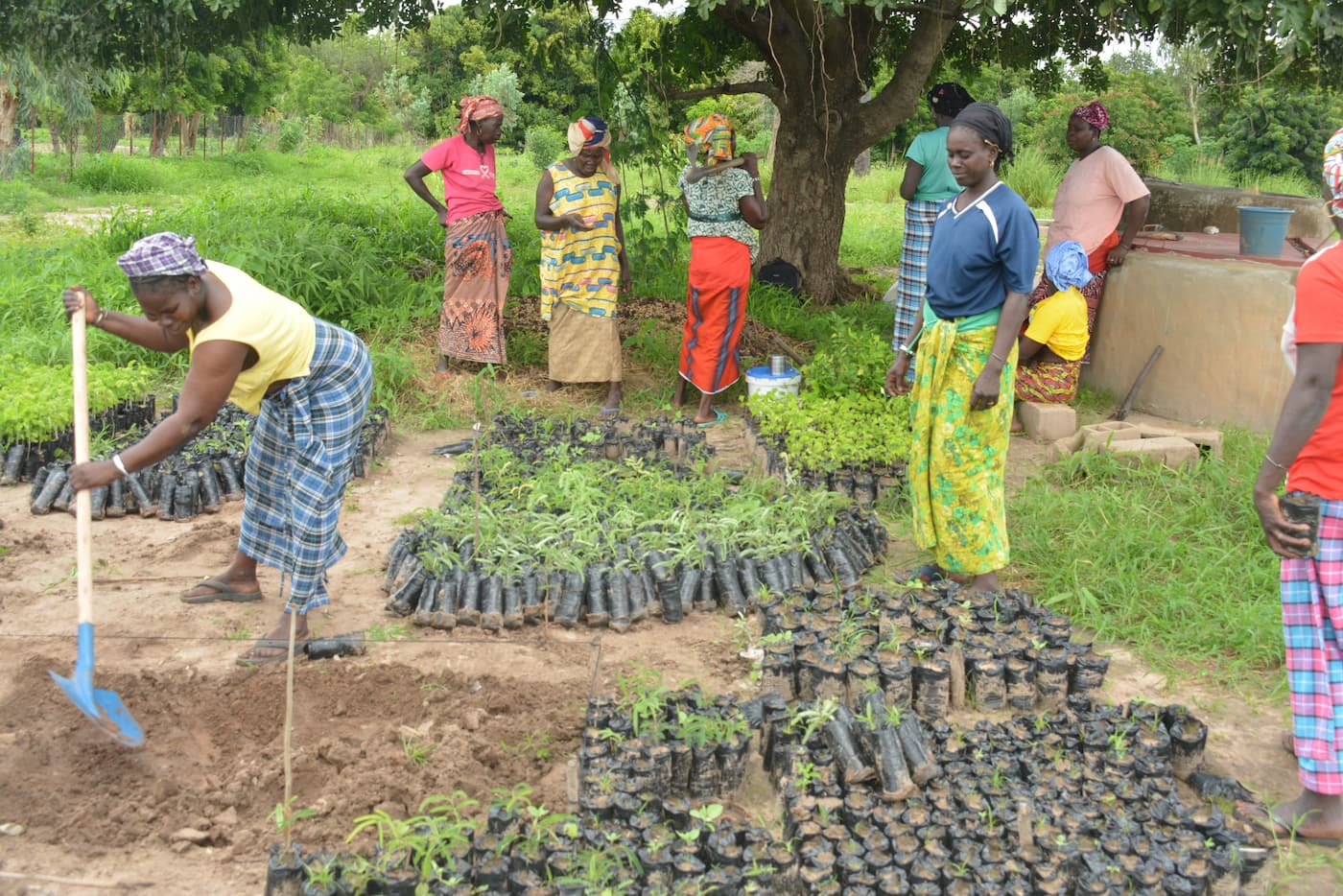
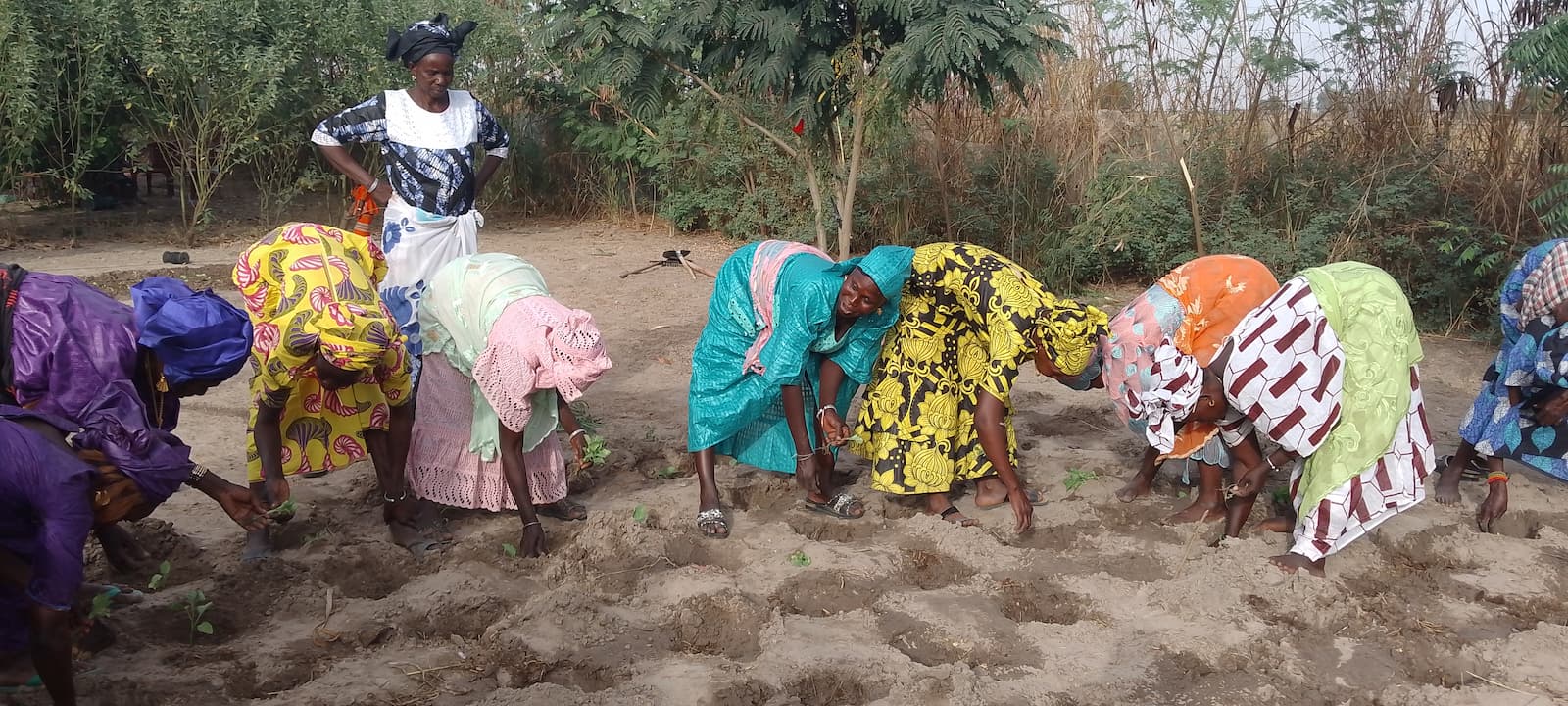
Villages of the Sine Saloum estuary replanted mangroves, retained rainwater and grew trees to slow the spread of salty land.
In the Sine Saloum, salty bare land (tannes) is advancing. It shrinks mangroves and inland vegetation, degrades soils and contaminates aquifers. Droughts in the 1970s and 1980s and population growth increased pressure on the mangroves, and the process has accelerated since 2015. Natural ponds dry up four to five months after the rains, forcing herders and their animals to move in search of water.
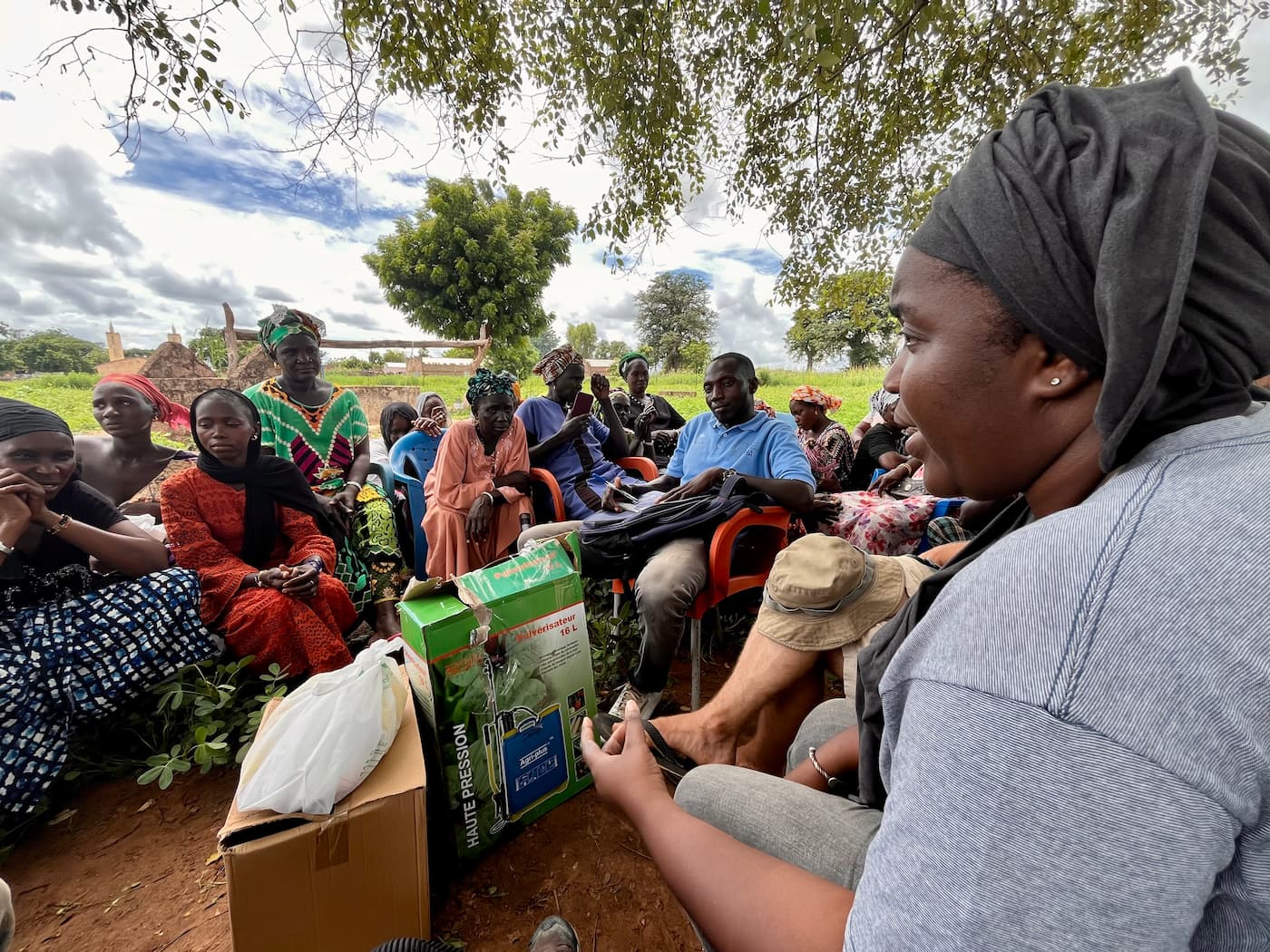
“The training given by the Océanium and IRHA field workers has been very useful and has enabled us to apply the techniques taught to other fields in the village affected by run-off problems.”
Elhadji Faye, Faoye village, member of the village mangrove committee (IRHA blog, June 2023)
Swipe or use the arrows, and click on a photo to enlarge it.
Implemented by Océanium Dakar, IRHA and APAF Senegal. Funded by the Audemars Piguet Foundation.
No downloadable document yet.
This project is completed. Discover what we are doing now, and help us take it further.