Our Projects · Disaster Risk Management & Ecosystem Restoration

Rain, Forest and People

La pluie, la forêt et les hommes

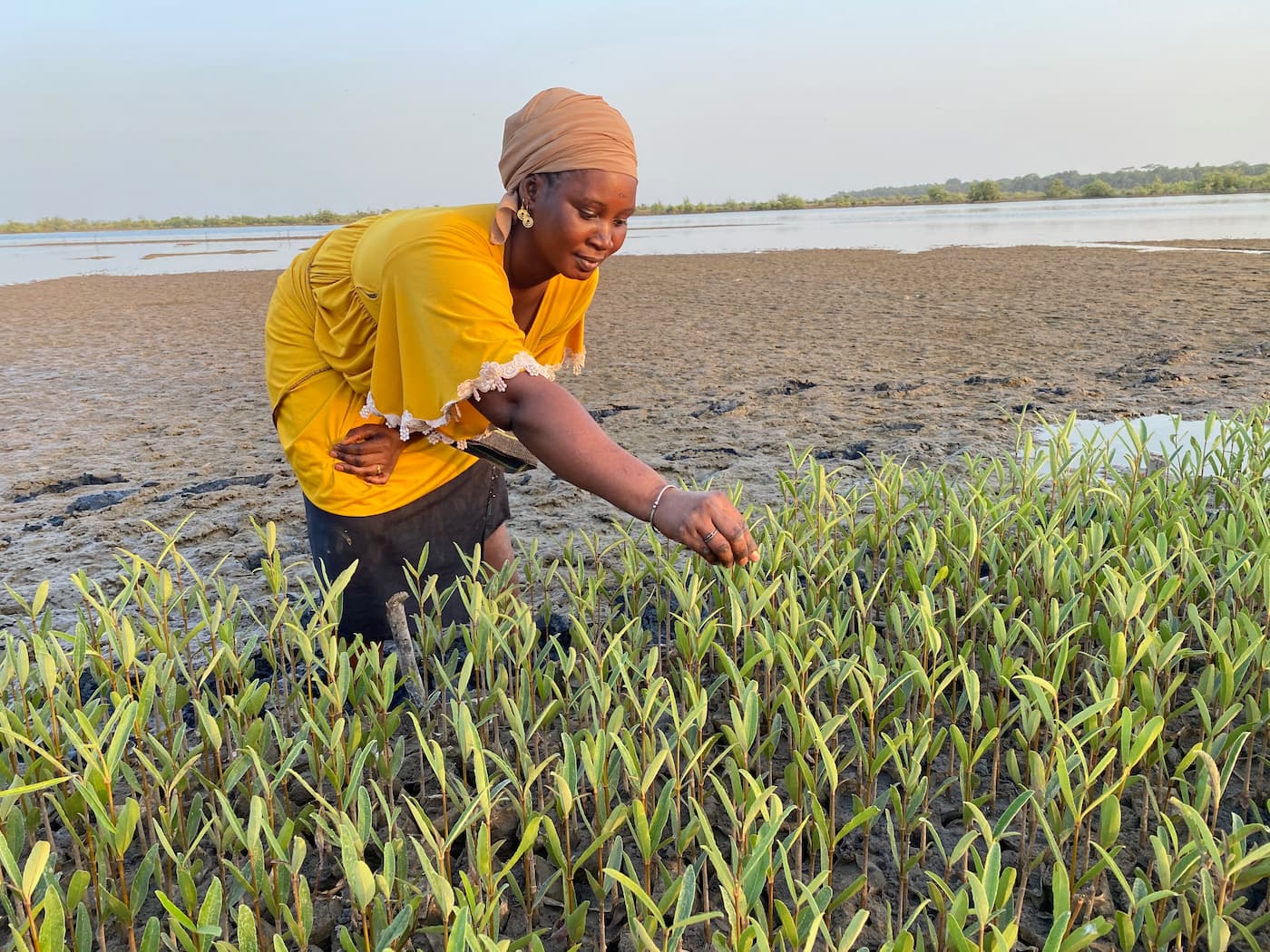
Farming families between Fatick and Thiès restored their soils with fertility trees and stored rainwater in calabash tanks.

CompletedDisaster Risk Management & Ecosystem Restoration2018–2020
© IRHA
WhereSenegal, on the border of the Fatick and Thiès regions, about 150 km south-east of Dakar
When2018–2020
WithAPAF Senegal, EPFL and De Gevulde Waterkruik (Clean Water Healthy Village)
Rainfall≈ 686 mm a year in Senegalnational average, World Bank; local figure to add

Results

  • 70family farms supported
  • 70rainwater tanks of 5 m³
  • about40,000trees planted
  • 7km of vegetated anti-erosion strips

The Challenge

Senegal loses nearly 125 hectares of forest every day. In the villages between Fatick and Thiès, soils have lost their fertility, and harvests and incomes have fallen. Near the coast, salt water enters the aquifers, so well water often cannot be drunk by the end of the dry season. Rainfall has also become more irregular, with late rains and shorter growing seasons.
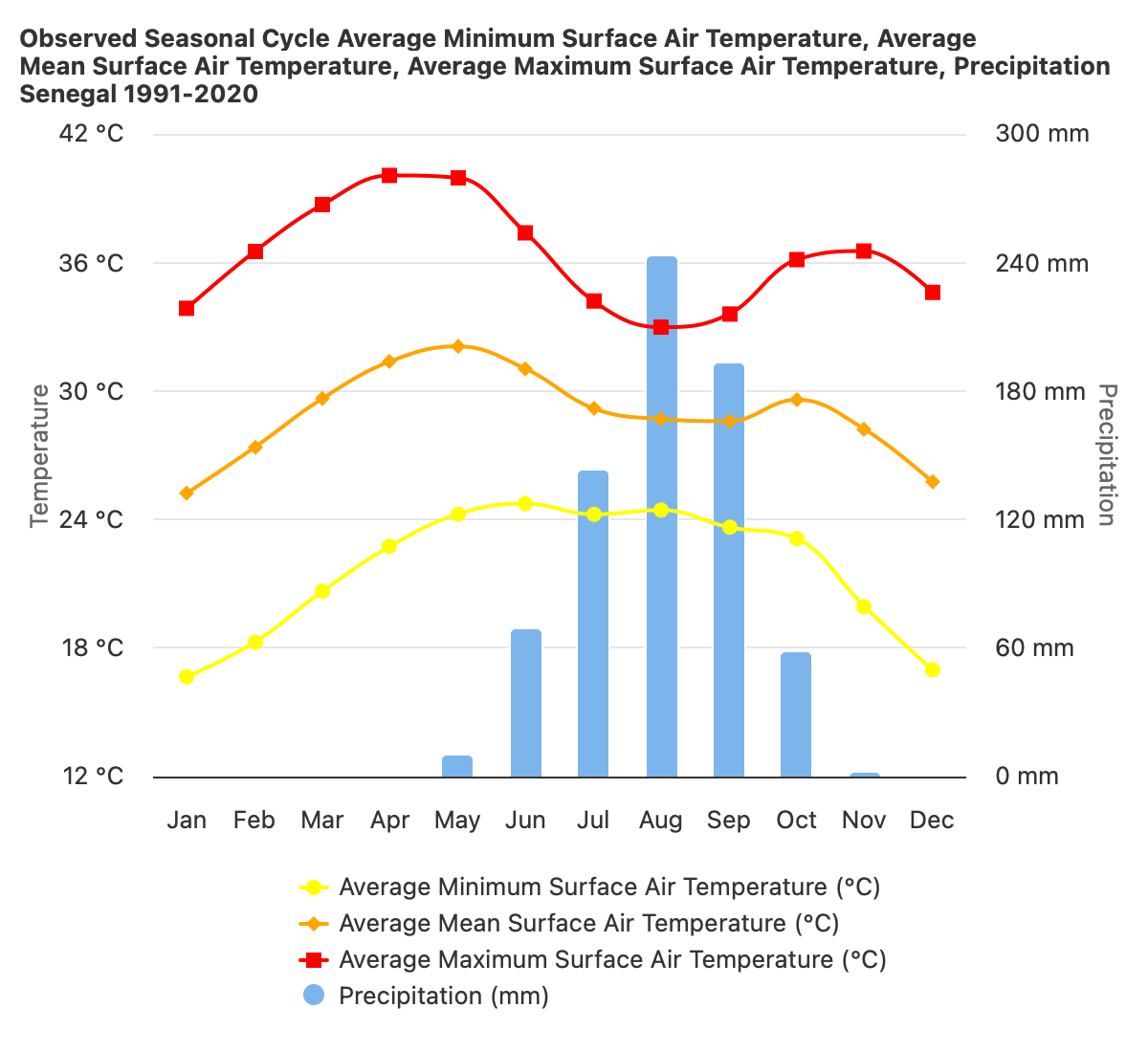
Average monthly rainfall and temperature in Senegal, 1991–2020
Rain in Senegal: about 686 mm a year, mostly June to October. Source: World Bank Climate Change Knowledge Portal (observed 1991–2020) and World Bank average precipitation.

What We Did

  • Worked with village committees to select 35 farmers in seven villages in 2019, then a second group the following year.
  • Helped each farmer plant an agroforestry plot with fertility trees and thorny living hedges that keep livestock out.
  • Trained five local masons, with a team from Guinea-Bissau, to build 5,000-litre calabash tanks (rounded ferrocement tanks) beside farmers' homes.
  • Trained village nursery keepers and an agroforestry technical adviser, and set up village agroforestry committees.
  • Installed vegetated anti-erosion strips and pilot demonstration plots.
  • Carried out a participatory territorial diagnosis with local actors.

Results

  • 70 family farms supported, each with a 5 m³ rainwater tank.
  • About 40,000 trees planted in agroforestry plots and 7 km of vegetated anti-erosion strips installed.
  • 2,000 family farm leaders made aware of local environmental issues; 14 villagers trained in tree nurseries; 5 masons trained.
  • Families reported that a full tank gives a household of about fifteen people free drinking water for up to five months after the rains.

“Thanks to the Calabash, my wife was able to cook and wash without using tap water. There are many of us in the household and water bills are expensive. Thanks to this rainwater harvesting system, instead of paying 6,000 FCFA every two months, I only had to pay 1,500 FCFA.”

Robert Bakhoum, Boyar Ndiodiom, Senegal (IRHA, 2020)

On the Ground

Swipe or use the arrows, and click on a photo to enlarge it.

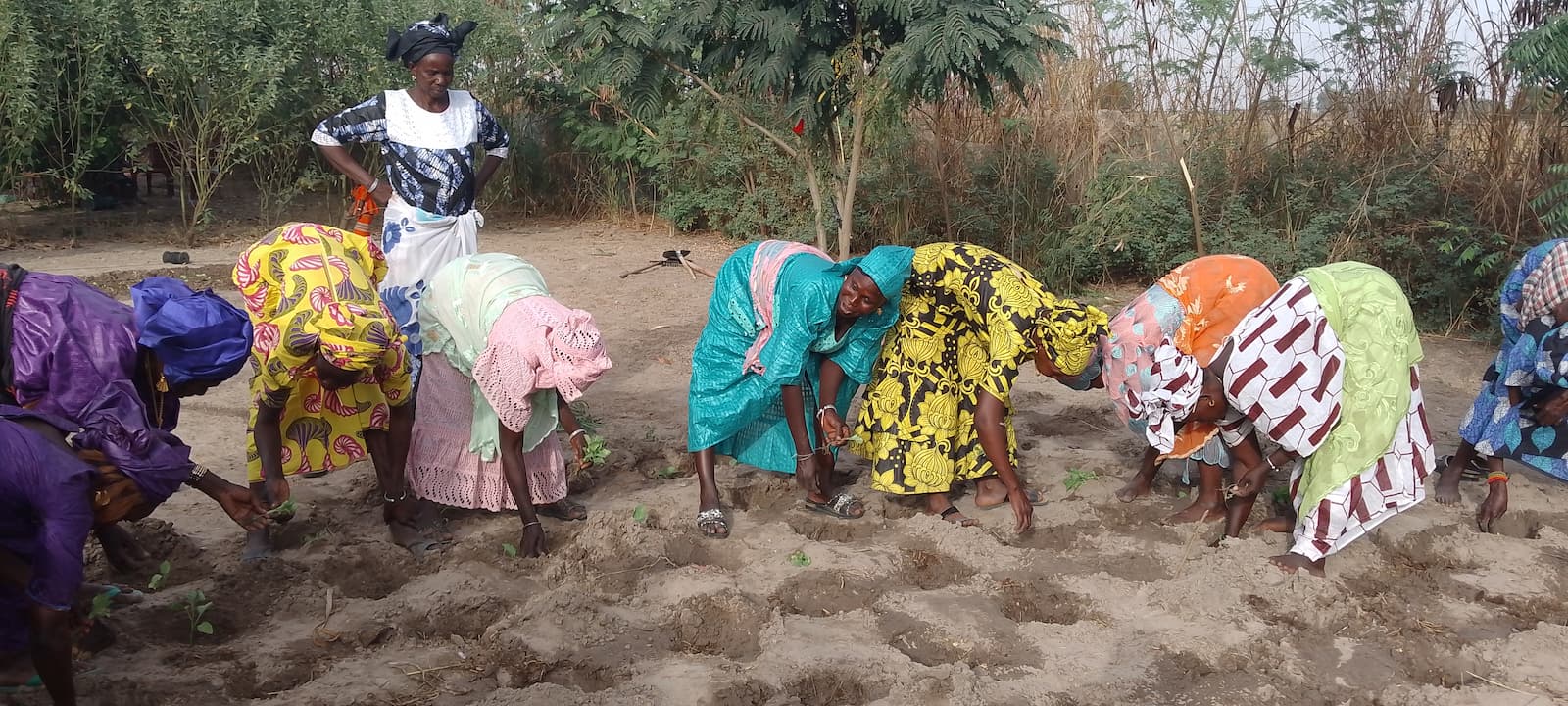
Women farmers receiving tree seedlings for agroecology and reforestation in Senegal · © IRHA
Rainwater harvesting tank used for agricultural irrigation in rural Senegal · © IRHA
Agricultural landscape in Senegal designed to capture and retain rainwater · © IRHA
Masons building the walls of a calabash rainwater tank, Senegal · © IRHA
Testimony Senegalese Family · © IRHA
Agroforestry market garden with trees and vegetable beds, Kaolack region, Senegal · © IRHA

Partners and Funders

Implemented with APAF Senegal, in collaboration with EPFL. Masons learned the calabash method of De Gevulde Waterkruik (Clean Water Healthy Village). Funded by the City of Geneva and the Audemars Piguet Foundation.

Resources

PDFProject factsheetPDF, French, 0.7 MB

From Our Blog Archive

archived posts: to re-publish on the new site, then update these links

Every Drop Restores

This project is completed. Discover what we are doing now, and help us take it further.