Our Projects · Disaster Risk Management & Ecosystem Restoration

The Forest of the Sea

A kop ale no maag ole – La forêt de la mer

Villages of the Sine Saloum estuary replanted mangroves, retained rainwater and grew trees to slow the spread of salty land.

CompletedDisaster Risk Management & Ecosystem Restoration2021–2024
© IRHA
WhereSenegal, Sine Saloum estuary (Fatick region), communes of Djilasse and Diofior
When2021–2024
WithOcéanium Dakar and APAF Senegal
Rainfall≈ 686 mm a year in Senegalnational average, World Bank; local figure to add

Results

  • 1,144direct beneficiaries
  • 3retention ponds restored, adding about 500 m³ of rainwater storage
  • 66.3hectares of mangrove restored

The Challenge

In the Sine Saloum, salty bare land (tannes) is advancing. It shrinks mangroves and inland vegetation, degrades soils and contaminates aquifers. Droughts in the 1970s and 1980s and population growth increased pressure on the mangroves, and the process has accelerated since 2015. Natural ponds dry up four to five months after the rains, forcing herders and their animals to move in search of water.
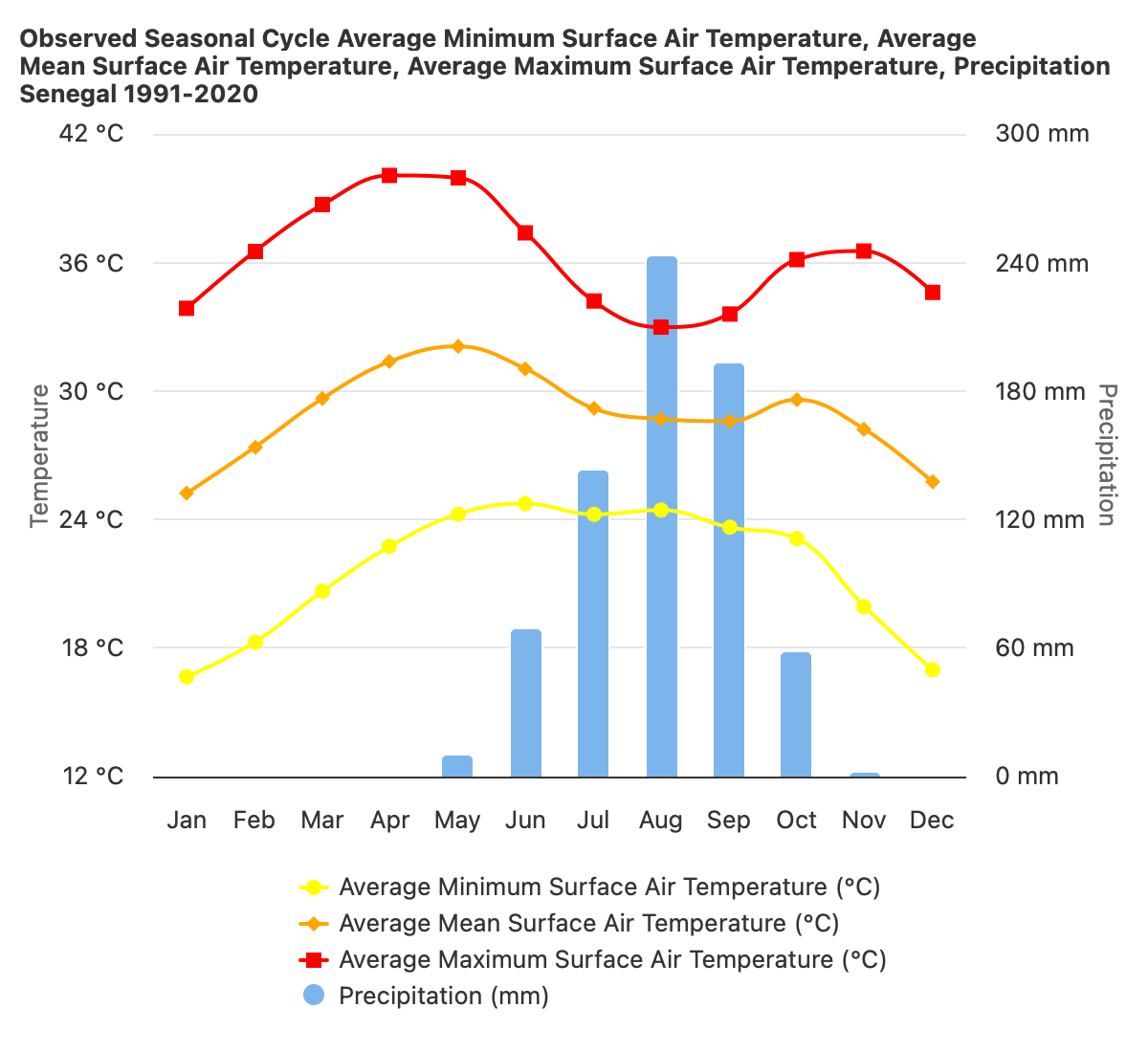
Average monthly rainfall and temperature in Senegal, 1991–2020
Rain in Senegal: about 686 mm a year, mostly June to October. Source: World Bank Climate Change Knowledge Portal (observed 1991–2020) and World Bank average precipitation.

What We Did

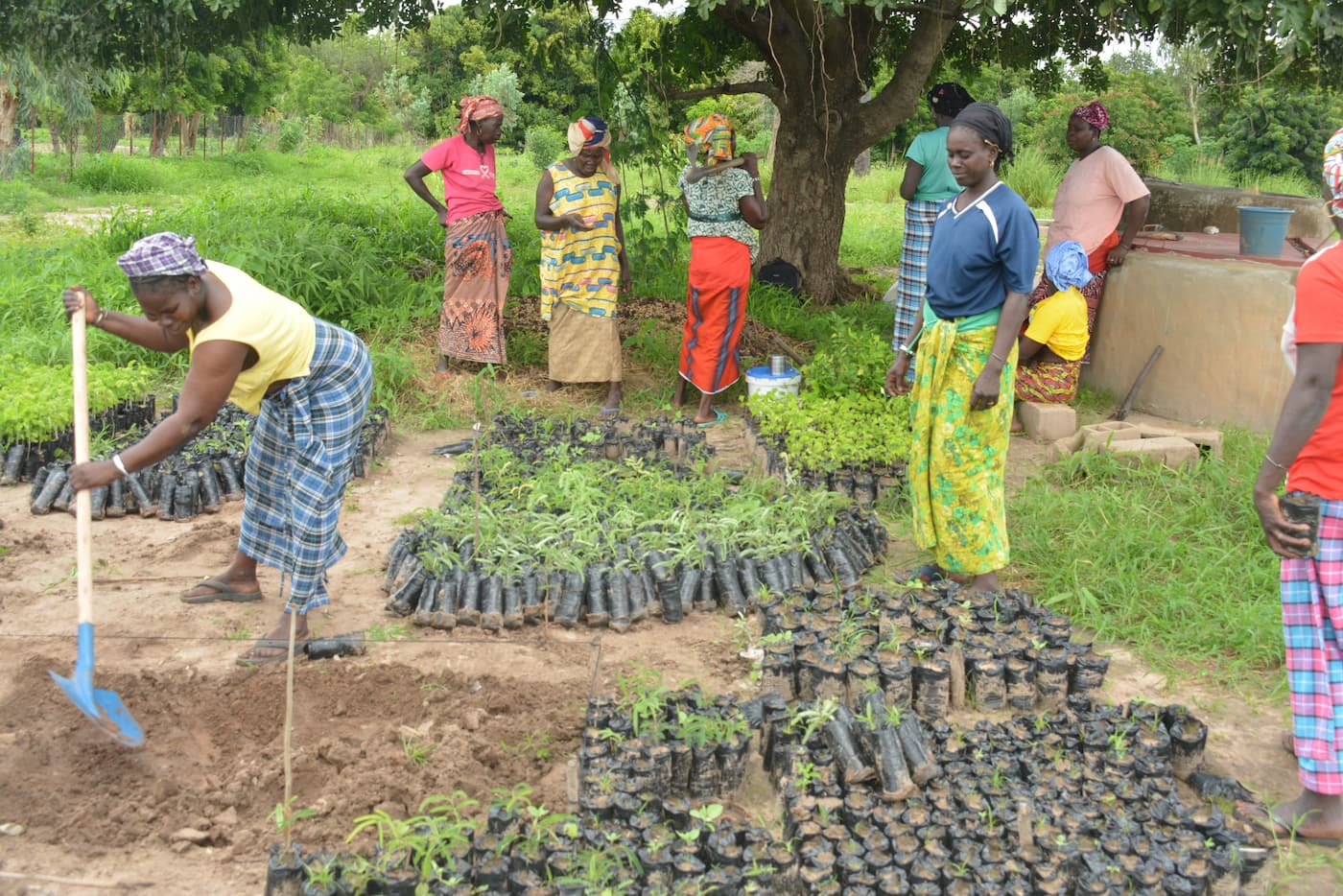
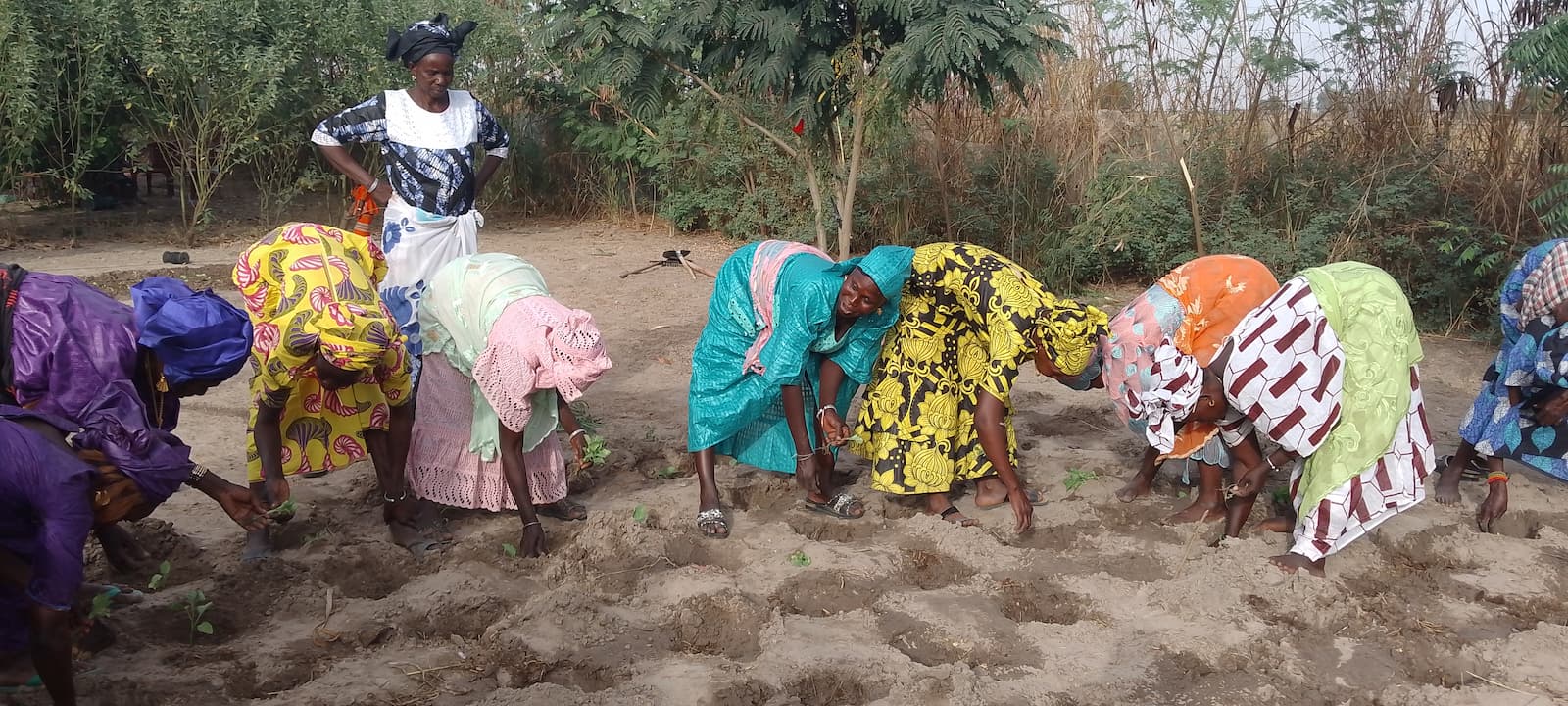
  • Restored mangroves with village mangrove committees, supported by mangrove nurseries.
  • Rebuilt three boulis (retention ponds) in 2023 with community work, and planted vegetation around them to reduce evaporation.
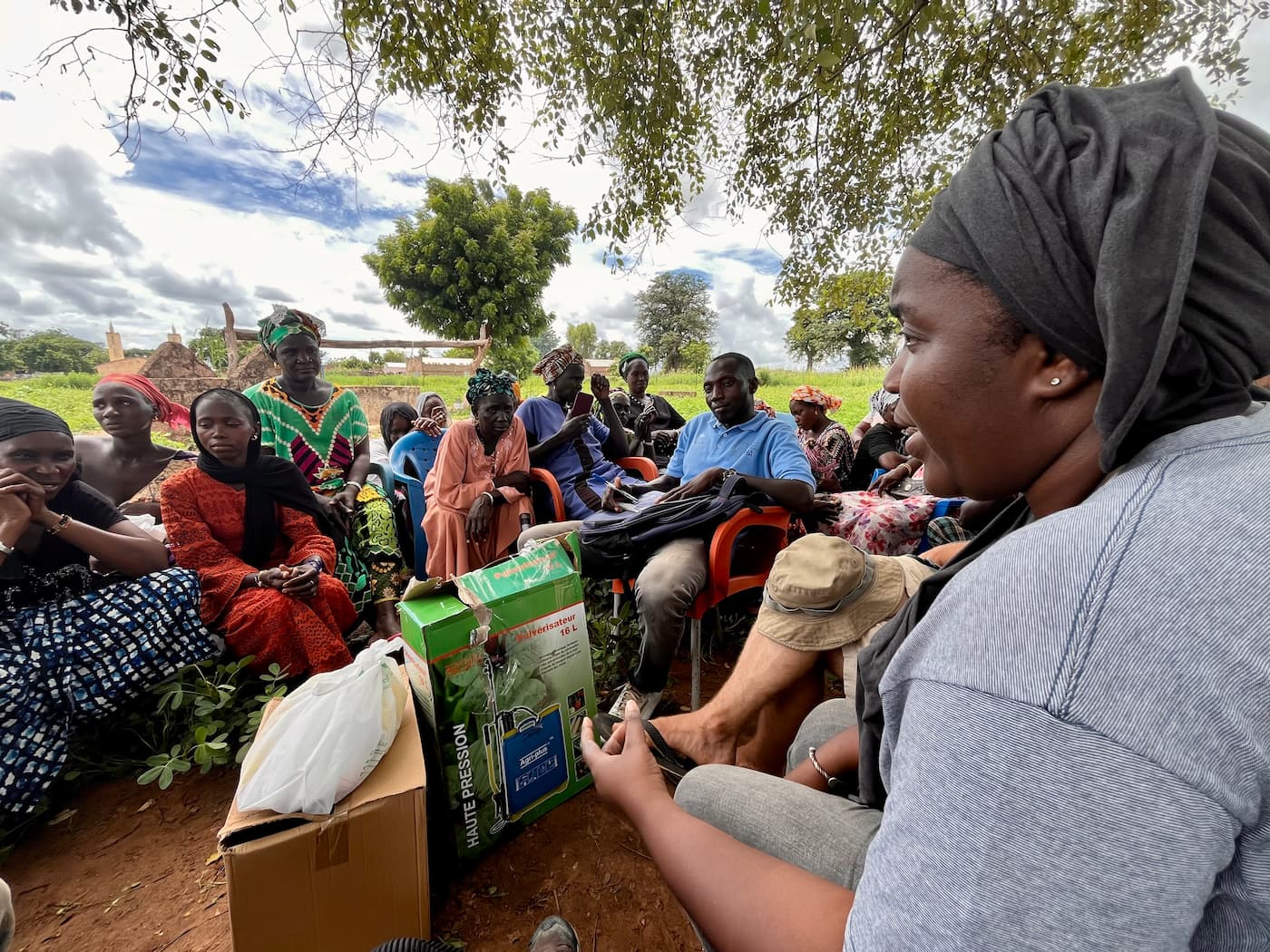
  • Installed anti-erosion measures in fields hit by run-off, and trained farmers to apply them.
  • Created agroforestry plots that give families wood and fodder and help restore soils.
  • Ran water-cycle murals, a nursery visit and a film debate in Djilasse schools.
  • Held a community festival in Faoye in December 2023 on protecting the mangrove and local resources.

Results

  • 1,144 direct and about 10,374 indirect beneficiaries in the intervention villages.
  • About 500 m³ of extra rainwater storage from the three boulis, which filled with the first rains of 2023.
  • 66.3 hectares of mangrove restored.
  • 2 village mangrove committees trained, and 44 heads of family farms supported to create vegetated cordons against erosion.
  • 2,000 to 3,000 people took part in community awareness sessions.
  • 2,500 schoolchildren made aware of the water cycle and mangrove protection.
  • Farmers have started using the anti-erosion techniques in other fields of their village.

“The training given by the Océanium and IRHA field workers has been very useful and has enabled us to apply the techniques taught to other fields in the village affected by run-off problems.”

Elhadji Faye, Faoye village, member of the village mangrove committee (IRHA blog, June 2023)

On the Ground

Swipe or use the arrows, and click on a photo to enlarge it.

Restored mangrove ecosystem in Senegal acting as a natural barrier against salinity · © IRHA
Degraded mangrove area in Senegal affected by salinity and environmental pressure · © IRHA
Vetiver hedge and crops for erosion control, Ndemenel, Senegal · © IRHA

Partners and Funders

Implemented by Océanium Dakar, IRHA and APAF Senegal. Funded by the Audemars Piguet Foundation.

Resources

No downloadable document yet.

From Our Blog Archive

archived posts: to re-publish on the new site, then update these links

Every Drop Restores

This project is completed. Discover what we are doing now, and help us take it further.