Our Projects · Disaster Risk Management & Ecosystem Restoration

Out of Earth and Rain

De terre et de pluie

Thirty farming families in Keur Maba Diakhou Ba combined trees, rainwater tanks and erosion control to bring degraded land back into production.

CompletedDisaster Risk Management & Ecosystem Restoration2019–2021
© IRHA
WhereSenegal, Kaolack region, commune of Keur Maba Diakhou Ba, about 200 km south-east of Dakar
When2019–2021
WithAPAF Senegal and EPFL
Rainfall≈ 686 mm a year in Senegalnational average, World Bank; local figure to add

Results

  • 30family farms supported
  • 30rainwater tanks of 5 m³
  • about15,000trees planted
  • 3km of vegetated anti-erosion barriers

The Challenge

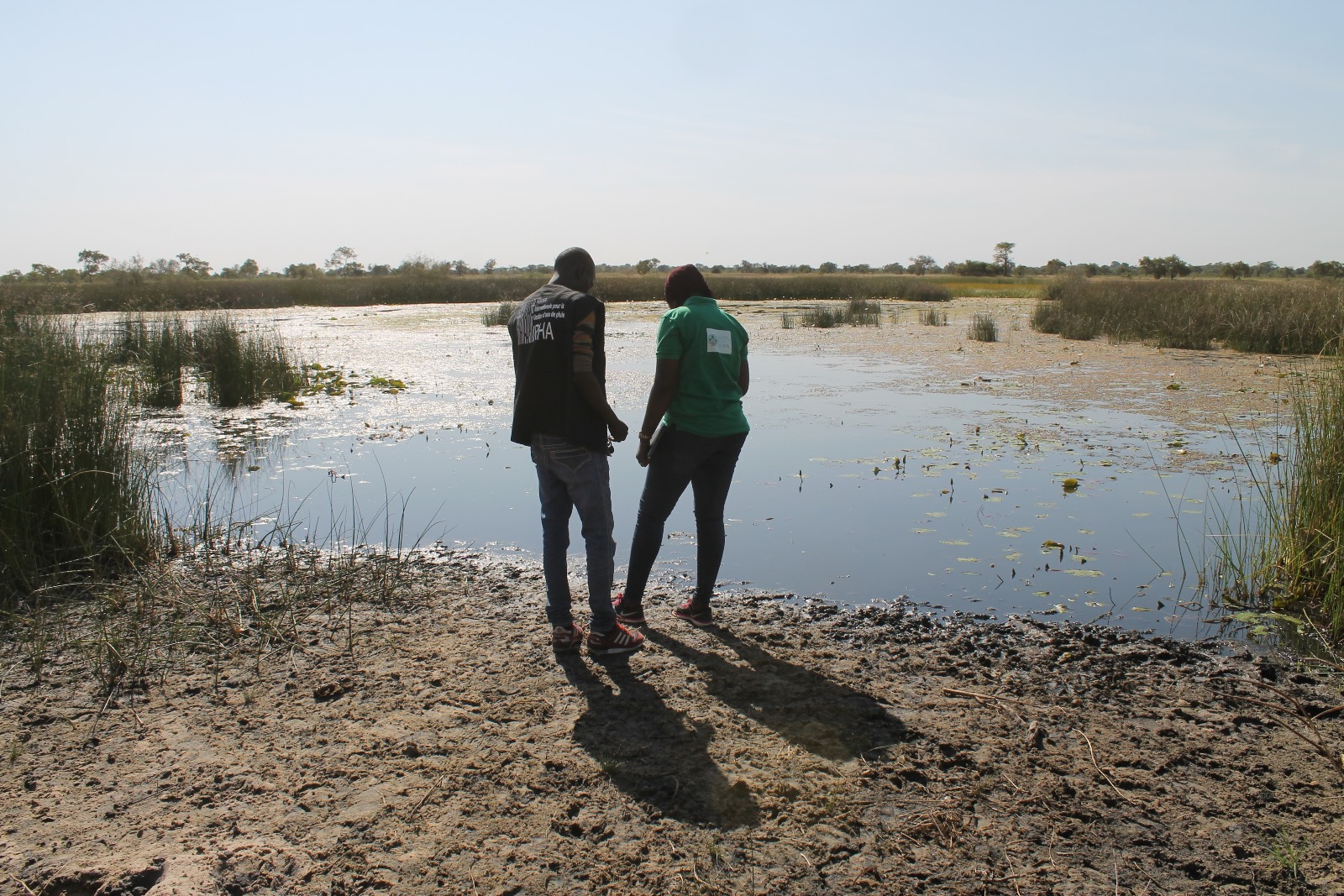
Of Senegal's 3.8 million hectares of arable land, about 2.8 million (66%) are severely degraded by unsuitable farming practices. Population growth and fast urbanisation add to the pressure on land. In Keur Maba Diakhou Ba, water erosion cuts deep gullies that threaten homes and fields. Plot-by-plot efforts often only move the problem elsewhere, so a shared, landscape-wide response was needed.
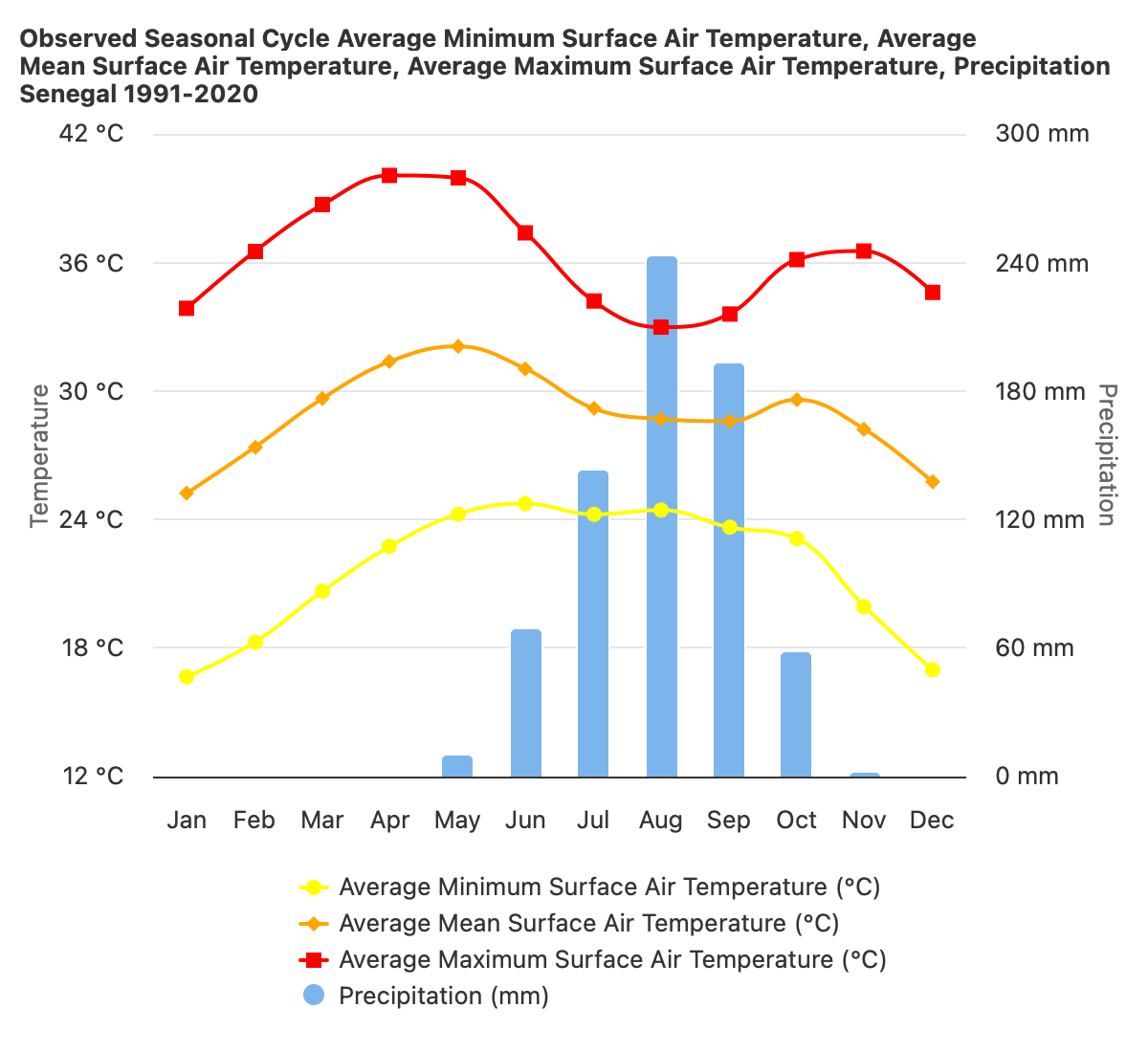
Average monthly rainfall and temperature in Senegal, 1991–2020
Rain in Senegal: about 686 mm a year, mostly June to October. Source: World Bank Climate Change Knowledge Portal (observed 1991–2020) and World Bank average precipitation.

What We Did

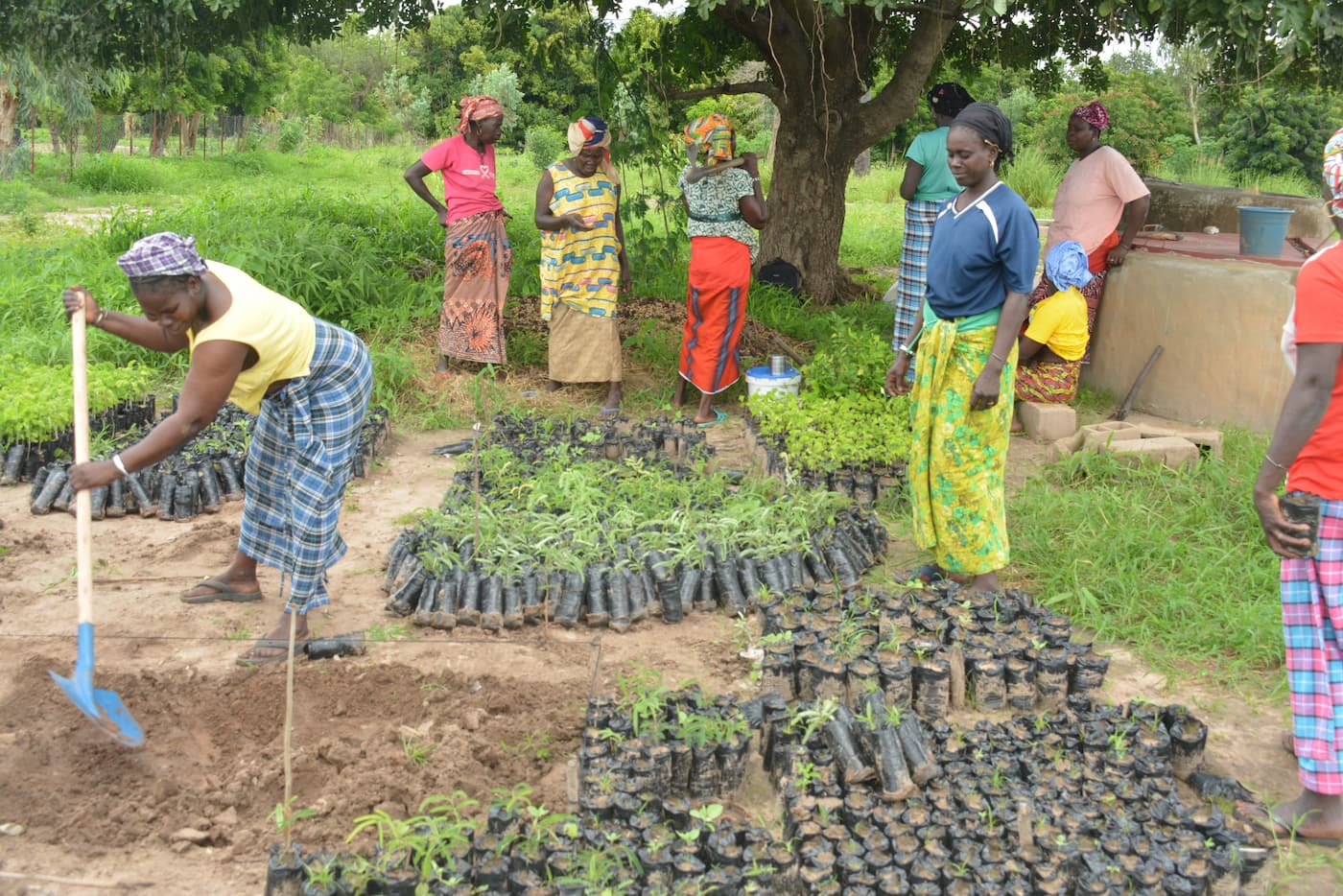
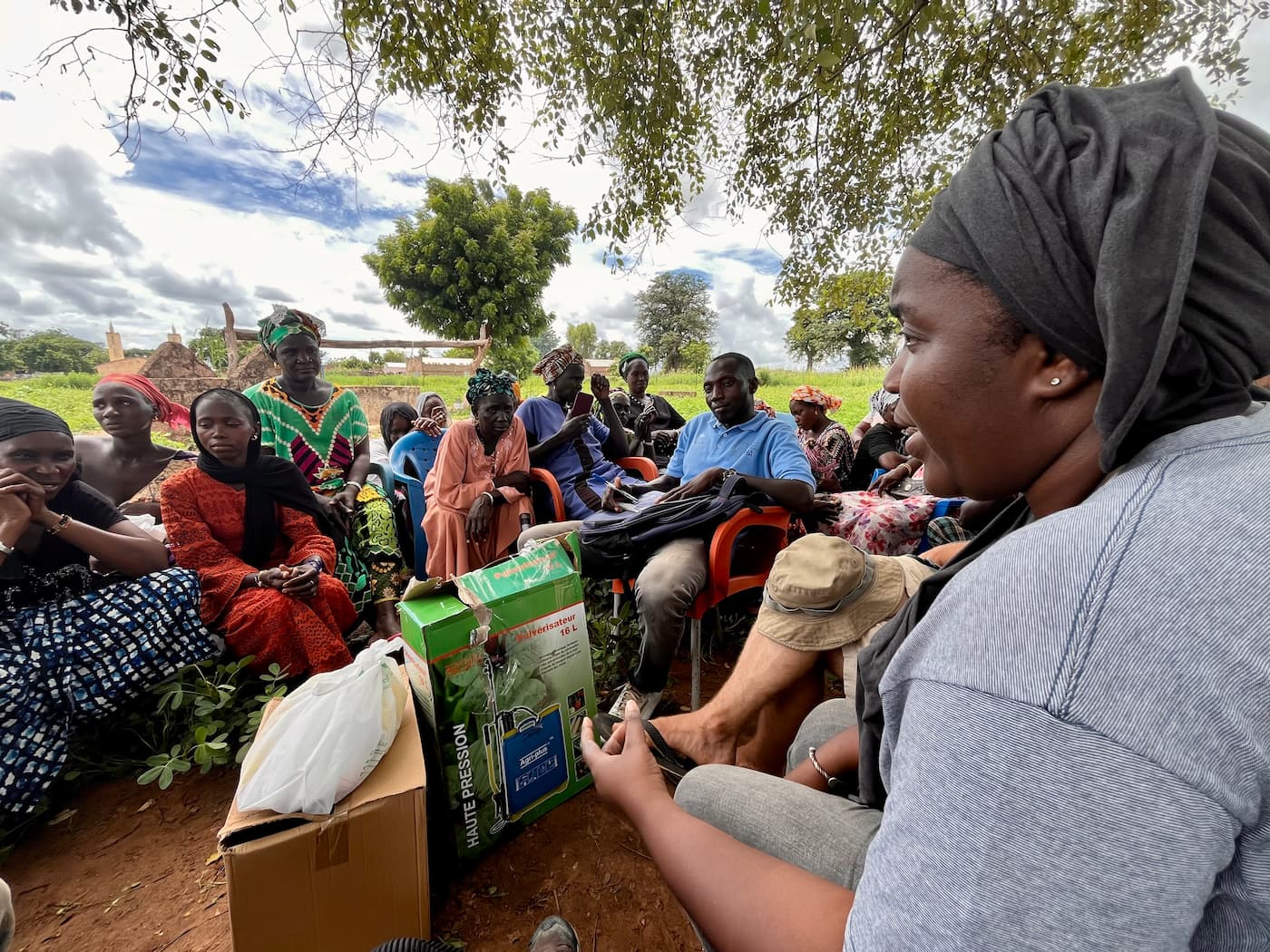
  • Ran a ten-day territorial diagnosis in July 2020 with the local agroforestry adviser and farmers: nearly 300 people interviewed and about 30 plots mapped.
  • Supported farmers to set up tree nurseries and agroforestry plots, with follow-up by APAF Senegal.
  • Trained masons and built 5 m³ rainwater tanks for participating family farms.
  • Installed vegetated anti-erosion barriers and a pilot demonstration plot.
  • Began a participatory survey of erosion hotspots in 2021 with the commune's environmental commission and residents, to agree on shared, landscape-wide solutions.

Results

  • 30 family farms supported; 400 direct and about 1,280 indirect beneficiaries.
  • About 15,000 trees planted and 20–30 hectares of degraded land brought back into use for crops, wood and fodder.
  • 30 rainwater tanks of 5 m³ and 3 km of vegetated anti-erosion barriers installed.
  • 6 village nursery keepers, 3 masons and 1 agroforestry technical adviser trained.
  • The mid-term review in 2021 prepared the partnership with Caritas Kaolack that continued the work in the same area.

Suññ diine guyy ñaare.

“The field that drinks rain will give again.”

Wolof sayingproverb: wording and translation to check with our local partner

On the Ground

Swipe or use the arrows, and click on a photo to enlarge it.

Vegetation growth in Senegal after the installation of half-moon rainwater harvesting structures · © IRHA
Degraded land in Senegal before the installation of half-moon rainwater harvesting structures · © IRHA
Community members constructing gabions in Senegal as a nature based solution · © IRHA
Farmers digging half-moons to capture rainwater in the soil, Kaolack region, Senegal · © IRHA
IRHA director inspecting soil quality during a field visit in Senegal · © IRHA

Partners and Funders

Implemented with APAF Senegal, in collaboration with EPFL. Funded by Fondation Le Solstice and the City of Meyrin.

Resources

Project factsheet to upload (see notes in the page file)

From Our Blog Archive

archived posts: to re-publish on the new site, then update these links

Every Drop Restores

This project is completed. Discover what we are doing now, and help us take it further.