Our Projects · Disaster Risk Management & Ecosystem Restoration

Transition to Agroecological Ecosystems

Sunu Ëulëuk, Sunu Ecosystème – Appuyer la transition vers des territoires agroécologiques

With Caritas Kaolack, farming communities in Wack Ngouna moved towards agroecology, controlled run-off and restored their land.

CompletedDisaster Risk Management & Ecosystem Restoration2021–2025 (three-year programme)
© IRHA
WhereSenegal, Kaolack region, Wack Ngouna district (Keur Maba, Ndramé Escale, Wack Ngouna, Keur Madiabel)
When2021–2025 (three-year programme)
WithCaritas Kaolack
Rainfall≈ 686 mm a year in Senegalnational average, World Bank; local figure to add

Results

  • 320producers supported
  • 6,280community members reached
  • 3,100pupils and teachers involved in environmental education to verify: final figures vs planned

The Challenge

The groundnut basin has been one of Senegal's main areas of emigration since the farming crisis of the 1970s. Low farm productivity and few jobs weaken family incomes. Climate change makes droughts and heavy rains more extreme, speeding up the loss of soils, biodiversity and ecosystems. Women and young people face extra barriers, including unequal access to land.
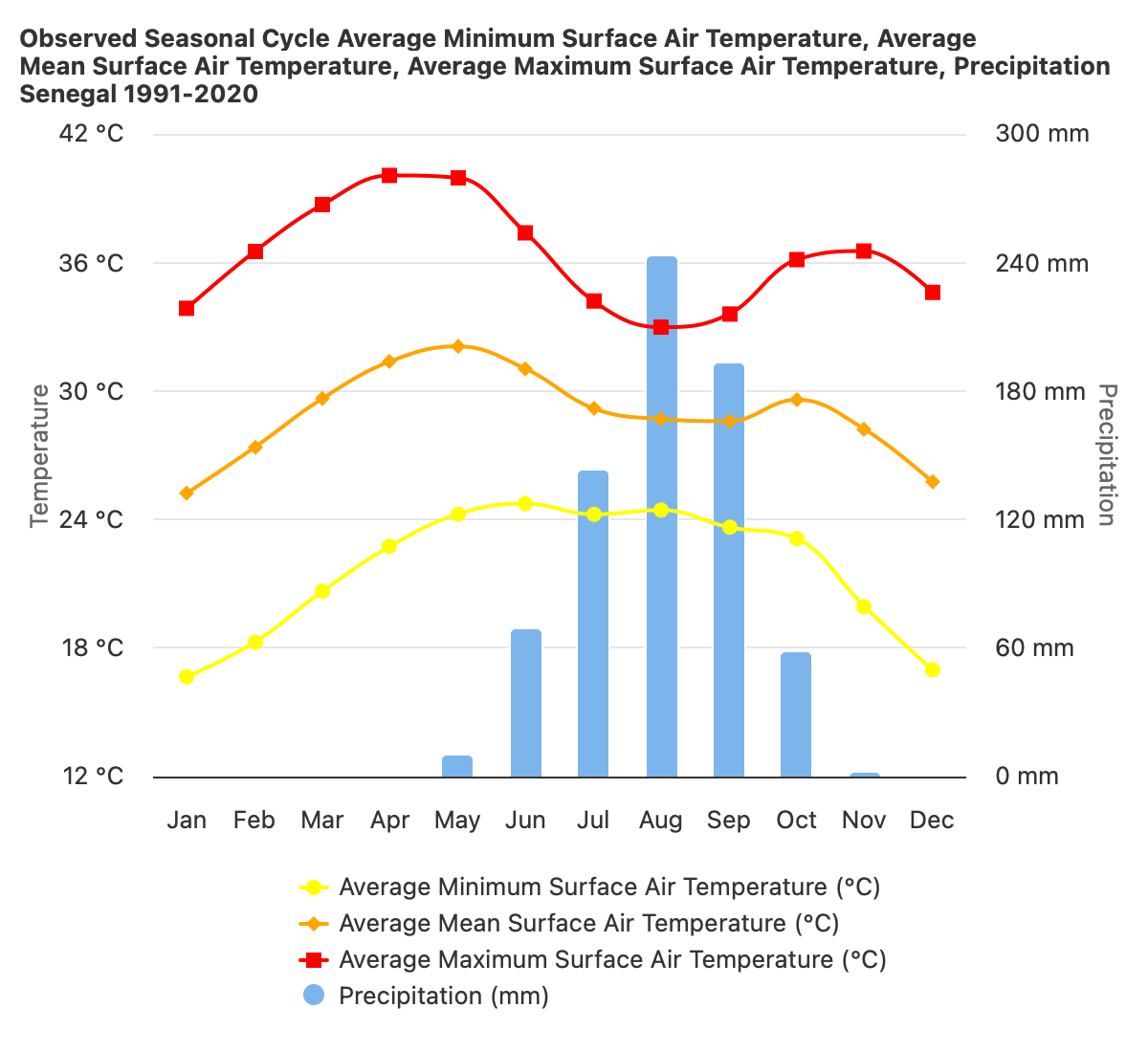
Average monthly rainfall and temperature in Senegal, 1991–2020
Rain in Senegal: about 686 mm a year, mostly June to October. Source: World Bank Climate Change Knowledge Portal (observed 1991–2020) and World Bank average precipitation.

What We Did

  • Strengthened the farming and marketing practices of women producers with agroecology.
  • Built pilot reforestation and run-off control works. In Ndayène Poste, villagers placed vegetated stone lines upstream and gabions (stone-filled wire cages) across gullies.
  • Supported farmers' organisations to make family farms more independent.
  • Trained local actors to restore degraded ecosystems and manage natural resources.
  • Raised awareness of climate change in villages and schools, and supported participatory territorial planning with researchers.
  • Advocated with local authorities and customary chiefs for women's access to land.

Results

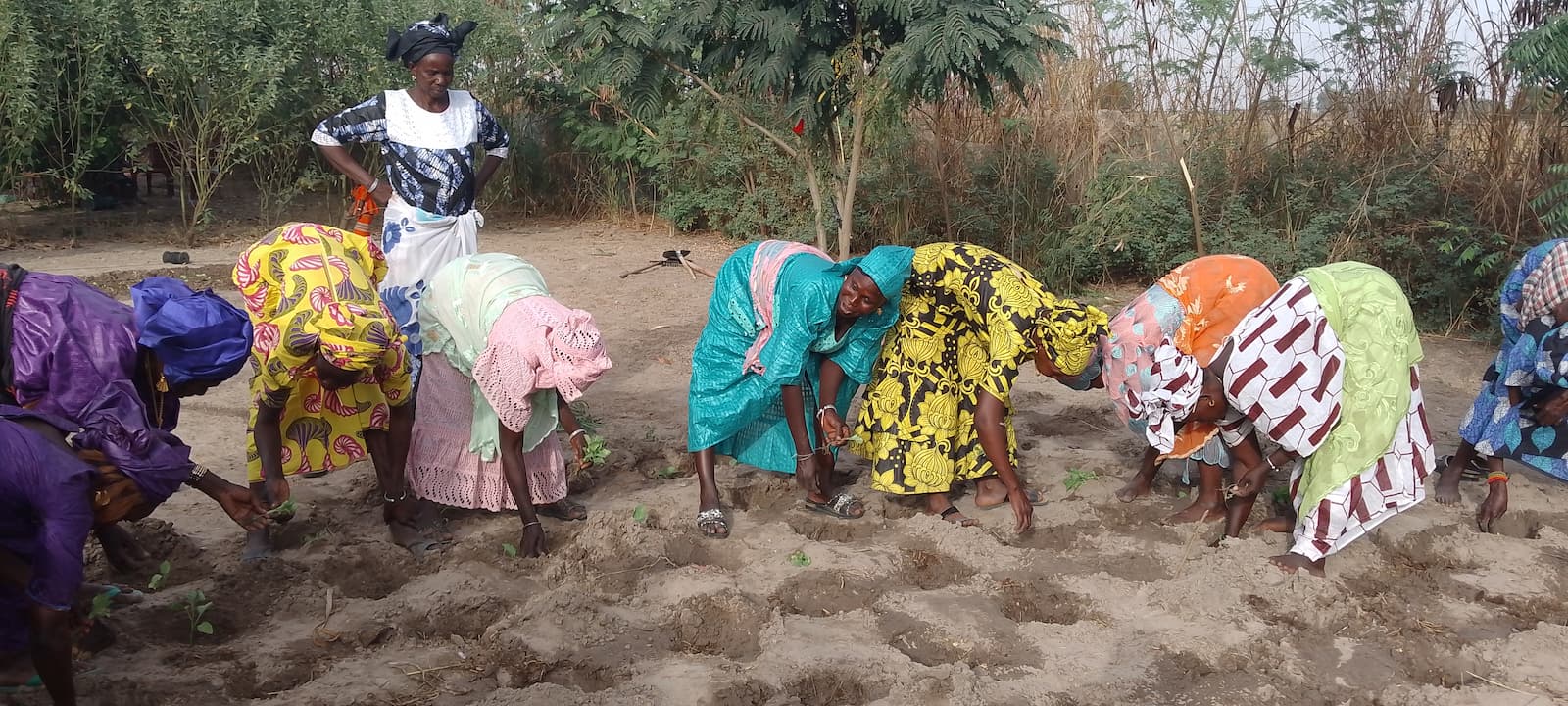
  • 320 producers supported in four activities: market gardening, rice growing, tree planting and beekeeping.
  • 6,280 community members and 3,100 pupils and teachers reached; 255 municipal and technical staff engaged.
  • In May 2023, more than 50 villagers in Ndayène Poste installed 70 metres of gabions and about 60 metres of stone lines in three days.
  • Goals: rehabilitate 3 of 6 rainwater retention areas, treat half of the erosion-prone sites and reforest a "School of Ecosystems" as a living laboratory to verify: results achieved at the end of the project.

Suññ diine guyy ñaare.

“The field that drinks rain will give again.”

Wolof sayingproverb: wording and translation to check with our local partner

On the Ground

Swipe or use the arrows, and click on a photo to enlarge it.

IRHA implementation partners leading a knowledge sharing session with rain community in Senegal · © IRHA
Working group sharing knowledge in Senegal · © IRHA
IRHA partner training session in Senegal · © IRHA
IRHA implementation partners working in the field with local communities in Senegal · © IRHA
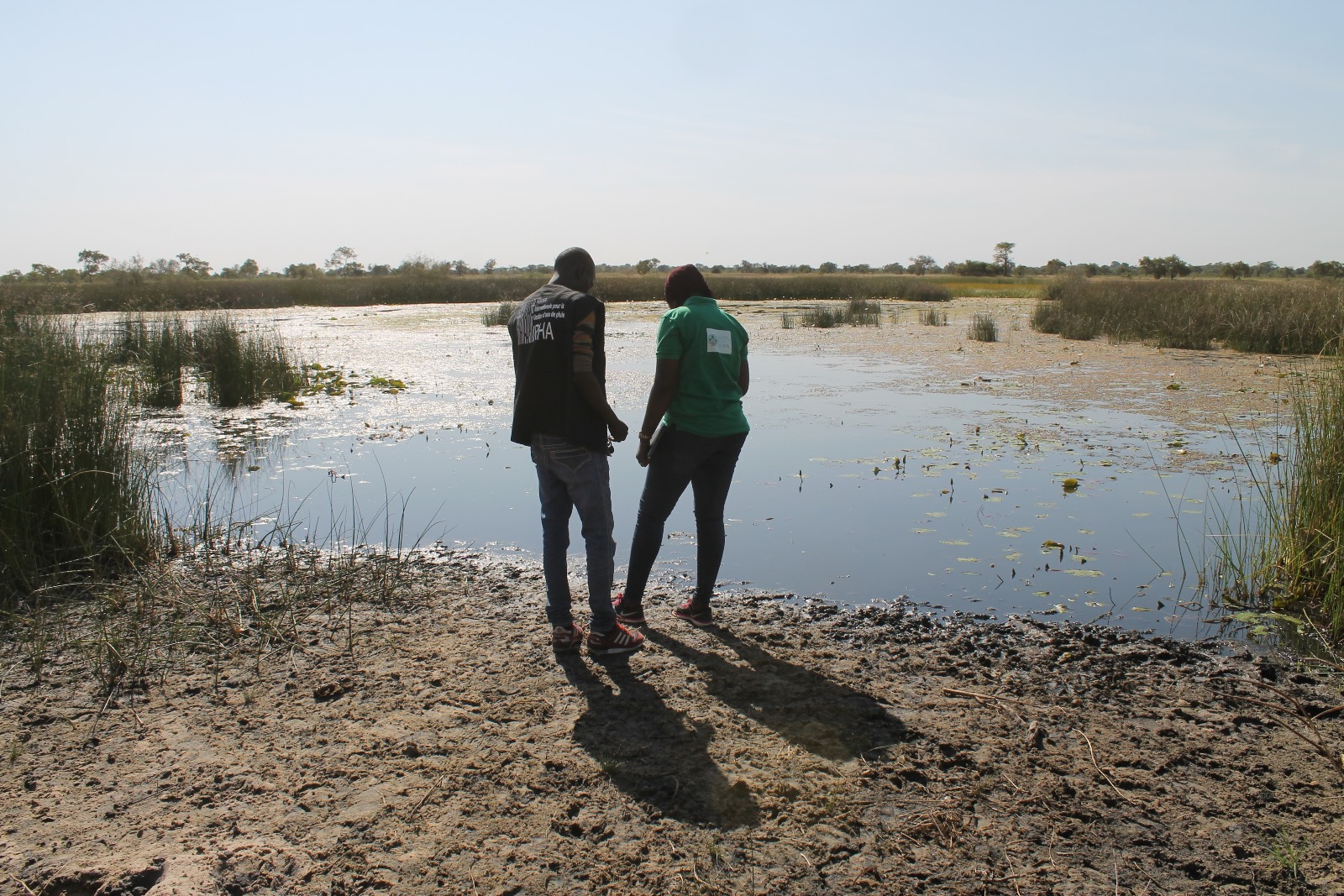
Bouli retention pond full of rainwater, Ndemenel, Senegal · © IRHA
Farmers gathering millet stalks after the harvest, Senegal · © IRHA

Partners and Funders

Implemented by IRHA and Caritas Kaolack, with ASGEP (Senegalese rainwater association) for anti-erosion work. Funded by the Fédération genevoise de coopération (FGC).

Resources

Project factsheet to upload (see notes in the page file)

From Our Blog Archive

archived posts: to re-publish on the new site, then update these links

Every Drop Restores

This project is completed. Discover what we are doing now, and help us take it further.