Our Projects · Rain-fed Agriculture & Food Sovereignty

Transition to Resilient Territories

Sunu Ëulëuk, Sunu Ecosystème – Transition vers des territoires résilients

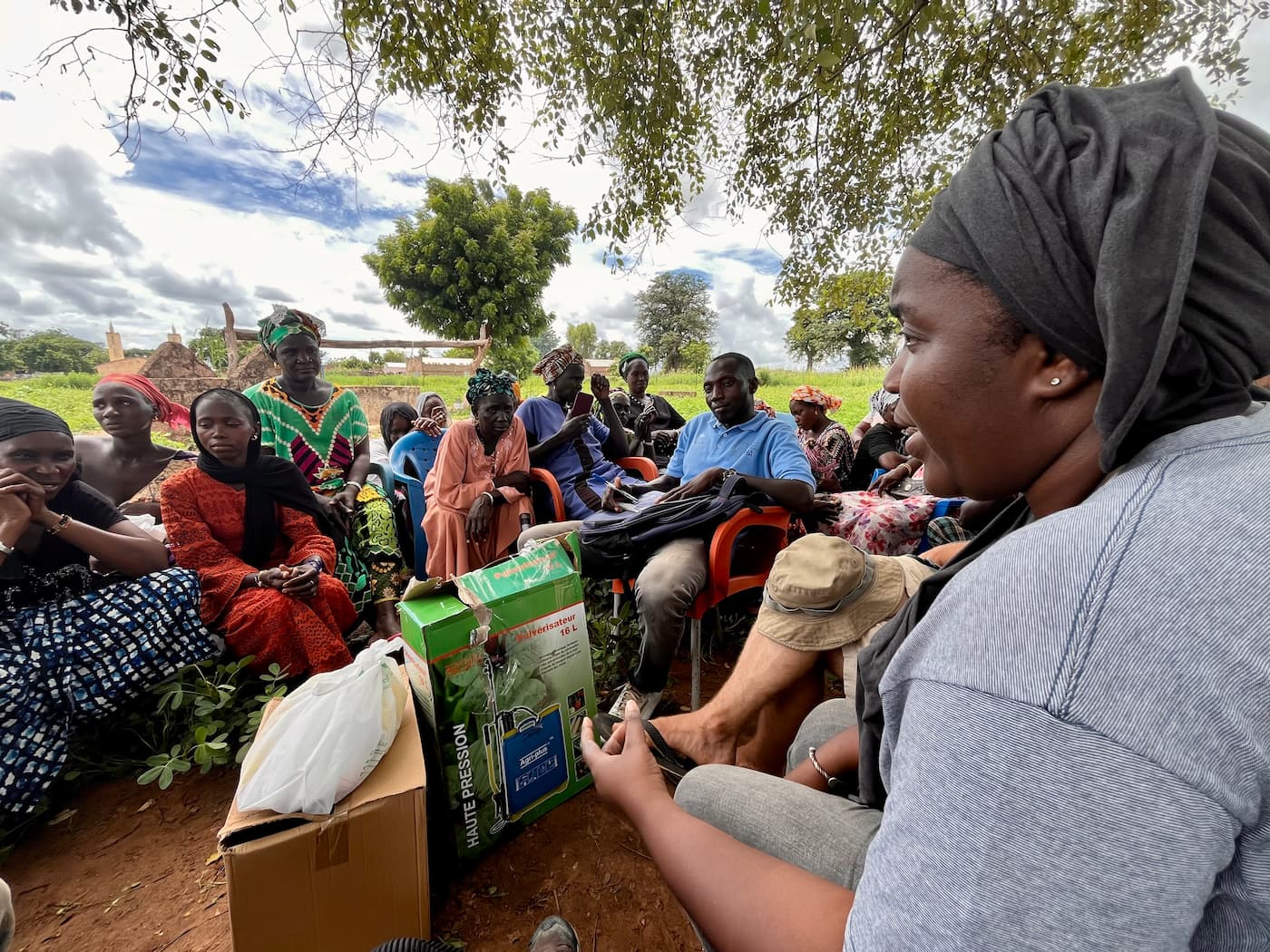
The second phase of our work with Caritas Kaolack helps farming communities in Wack Ngouna build resilient, agroecological territories.

OngoingRain-fed Agriculture & Food Sovereignty2025–2028 (36 months)
© IRHA
WhereSenegal, Kaolack region, Wack Ngouna district (Keur Maba, Ndramé Escale, Wack Ngouna, Keur Madiabel)
When2025–2028 (36 months)
WithCaritas Kaolack
Rainfall≈ 686 mm a year in Senegalnational average, World Bank; local figure to add

The Challenge

In the Wack Ngouna district, subsistence rain-fed farming is highly exposed to climate hazards. Climate change makes droughts and heavy rains more extreme, speeding up the loss of soils, biodiversity and ecosystems. Lasting restoration of productive land, control of the water cycle and easy access to land are key drivers of change. This phase aims to strengthen the resilience of communities and ecosystems for an agroecological transition in the district.
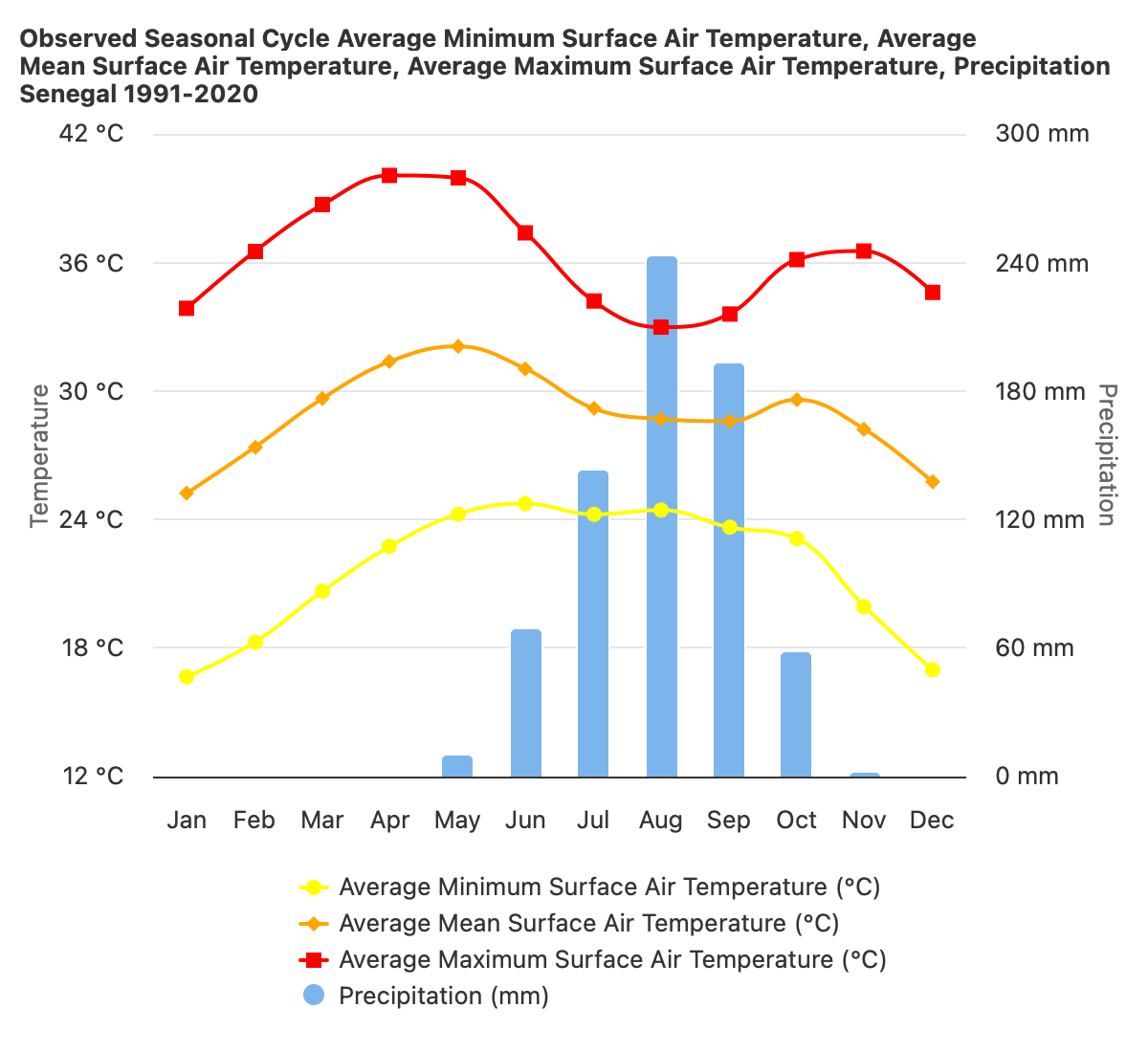
Average monthly rainfall and temperature in Senegal, 1991–2020
Rain in Senegal: about 686 mm a year, mostly June to October. Source: World Bank Climate Change Knowledge Portal (observed 1991–2020) and World Bank average precipitation.

What We Do

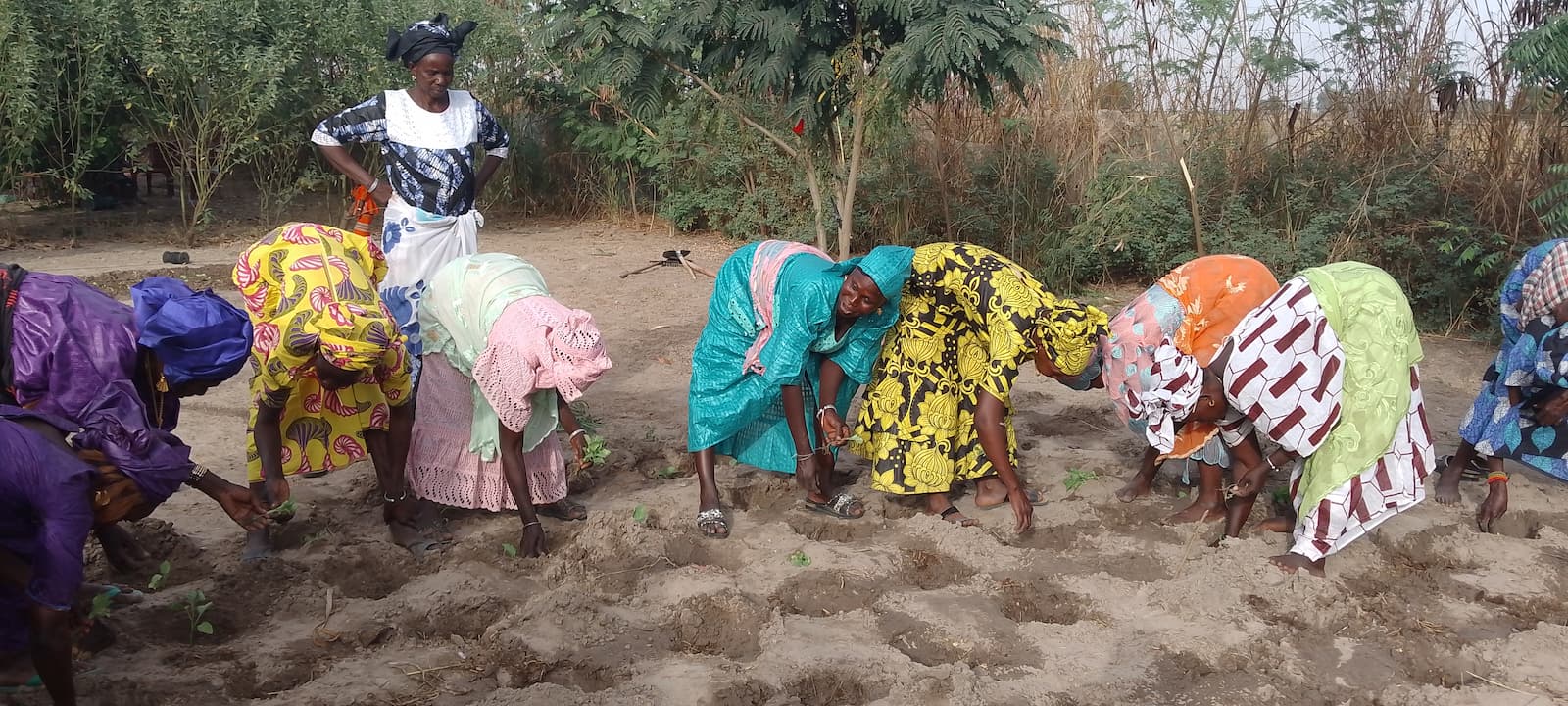
  • Strengthen agricultural restoration through agroecological practices, with a focus on women producers' farming and marketing.
  • Run pilot reforestation and run-off management works, and make sure communities can maintain and use them over time.
  • Support farmers' organisations so that family farms become more independent.
  • Train local actors in restoring degraded ecosystems and managing natural resources.
  • Raise awareness of climate change at all levels, from villages to institutions.
  • Support participatory territorial diagnosis and planning, with input from researchers.

Expected Results

  • Women producers' farming and marketing practices follow agroecological principles.
  • Pilot reforestation and run-off works are operational and sustainably managed.
  • Family farms are more independent thanks to stronger farmers' organisations.
  • Local actors are better equipped, technically and organisationally, to restore ecosystems.
  • Communities share an understanding of climate risks and take part in planning their territory.

Progress So Far

  • to verify: activities and figures since 2025

Suññ diine guyy ñaare.

“The field that drinks rain will give again.”

Wolof sayingproverb: wording and translation to check with our local partner

On the Ground

Swipe or use the arrows, and click on a photo to enlarge it.

IRHA implementation partners in Senegal in front of a waterpond · © IRHA
IRHA team member assessing waterpond in Senegal · © IRHA
IRHA partners building water tank in Senegal · © IRHA
IRHA program manager inspecting a rainwater tank in Senegal · © IRHA

Partners and Funders

Implemented by IRHA and Caritas Kaolack, the local Catholic relief organisation with which IRHA has worked in Kaolack since 2011. Funded by the Fédération genevoise de coopération (FGC).

Resources

No downloadable document yet.

Every Drop Restores

Help communities catch, store and use the rain.