
By Marc Sylvestre
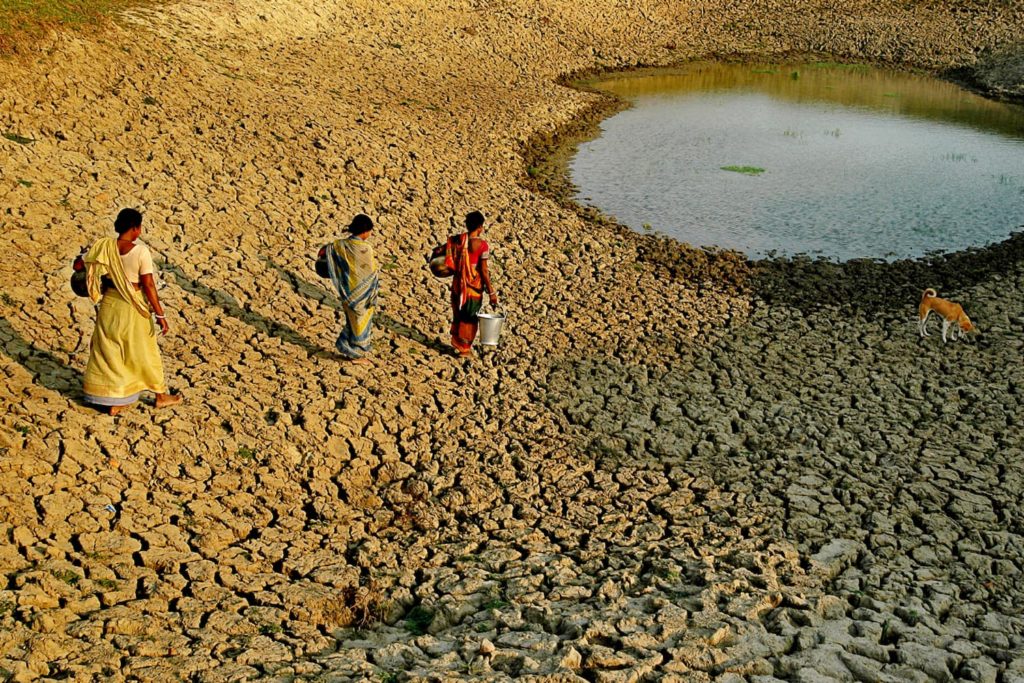
In many of the countries where we work, it is mainly women and girls who are responsible for collecting water. They must make sure that the family has the 30 to 50 litres a day it needs.
This means getting up earlier and walking to the nearest spring, well or river, on average 2 to 3 km from home. They then fill 15 to 20-litre containers and make the round trip several times to collect enough water.
This chore has a direct impact on the lives of women and girls. They lose time and suffer from headaches, back pain and fatigue, which often lead to girls leaving school and to social isolation.
On top of the loss of productive time, which could be used for an income-generating activity, for their education or for children’s nutrition, women and girls face the risk of falls, injuries and violence. Figures show that women who fetch water before dawn are at greater risk of sexual assault.
In addition, water can become contaminated between the collection point and the point of use. Many studies (EAWAG, 2017) have shown the contamination risks of using poorly cleaned containers.
Finally, despite the situation that millions of women face every day, they often have no say in the management and planning of community infrastructure. They are left without a voice or the ability to influence the choices and decisions made in their community.
IRHA supports women. Learn more about our Blue Schools and how you can get involved.
First published on the former IRHA website on 8 February 2018.