
Blue Schools explained
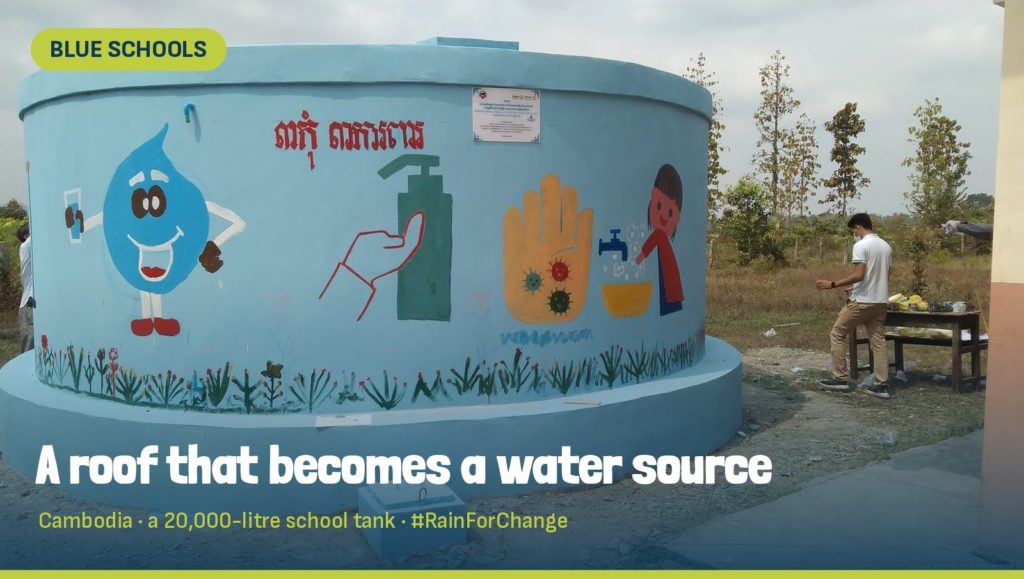
Rainwater from the school roof, toilets and handwashing, a garden, trees and a committee of parents, teachers and pupils: how an IRHA Blue School works.
Updated WHO drinking-water guidelines give more attention to rainwater harvesting
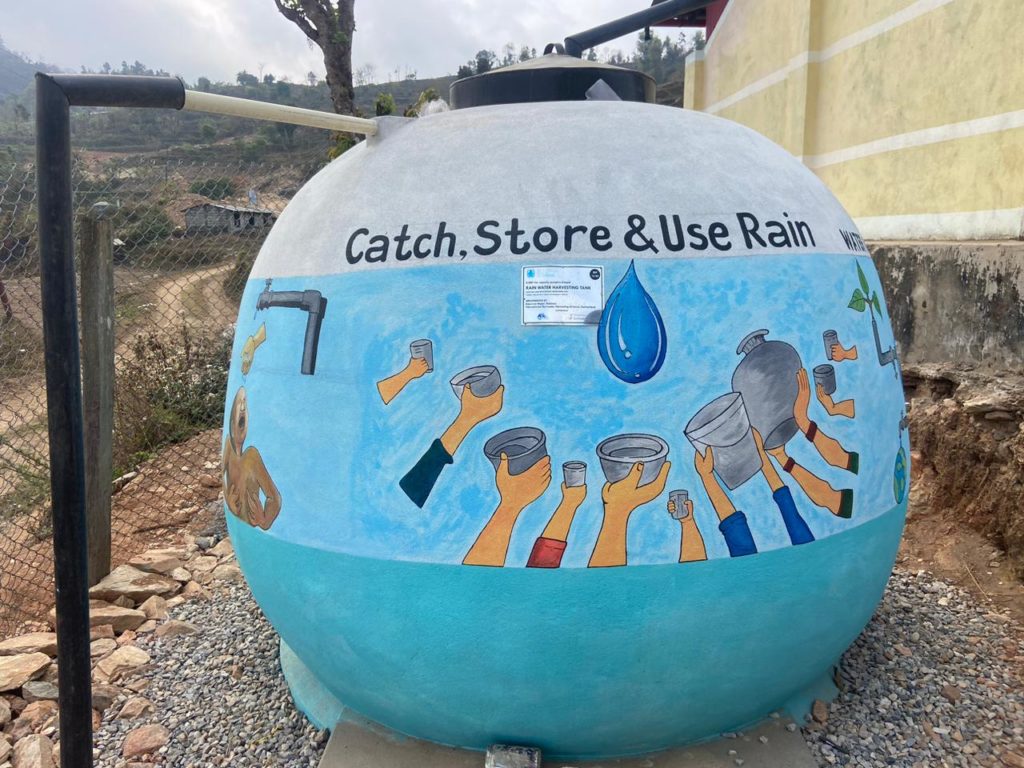
The WHO Guidelines for Drinking-water Quality, updated on 17 June 2026, give more attention to rainwater harvesting as a source of drinking water.
Bermuda’s white roofs: an island that drinks the rain
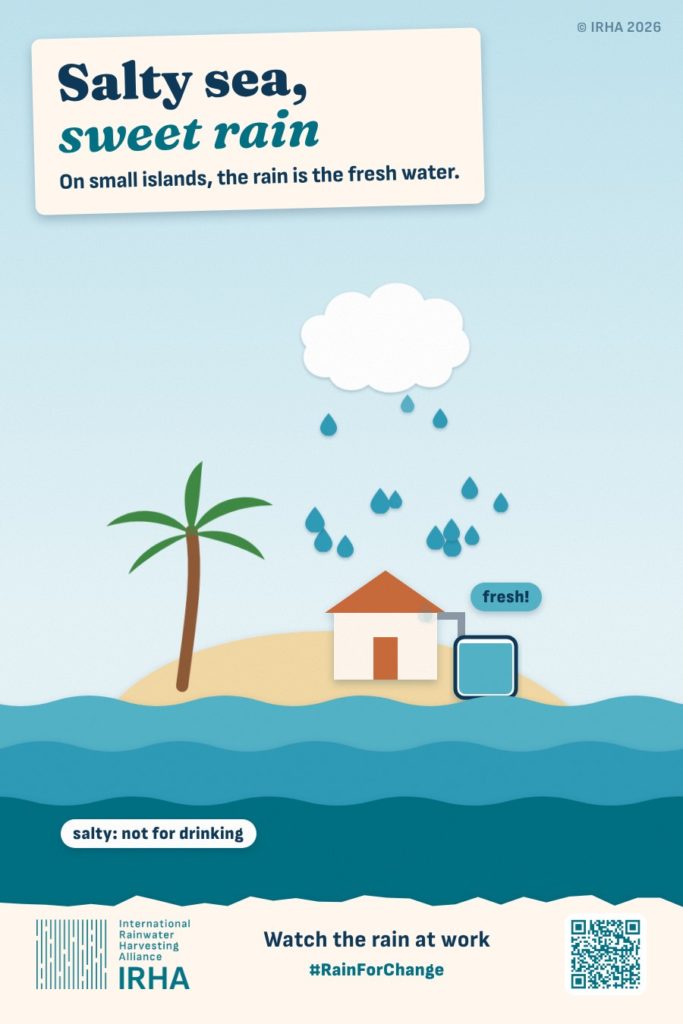
Bermuda, in the North Atlantic, has no springs, rivers or lakes. For more than three centuries, Bermuda’s white roofs have collected drinking water for its homes, and the building code still requires it.
Low-cost roofwater harvesting: what a year of trials in Uganda taught us
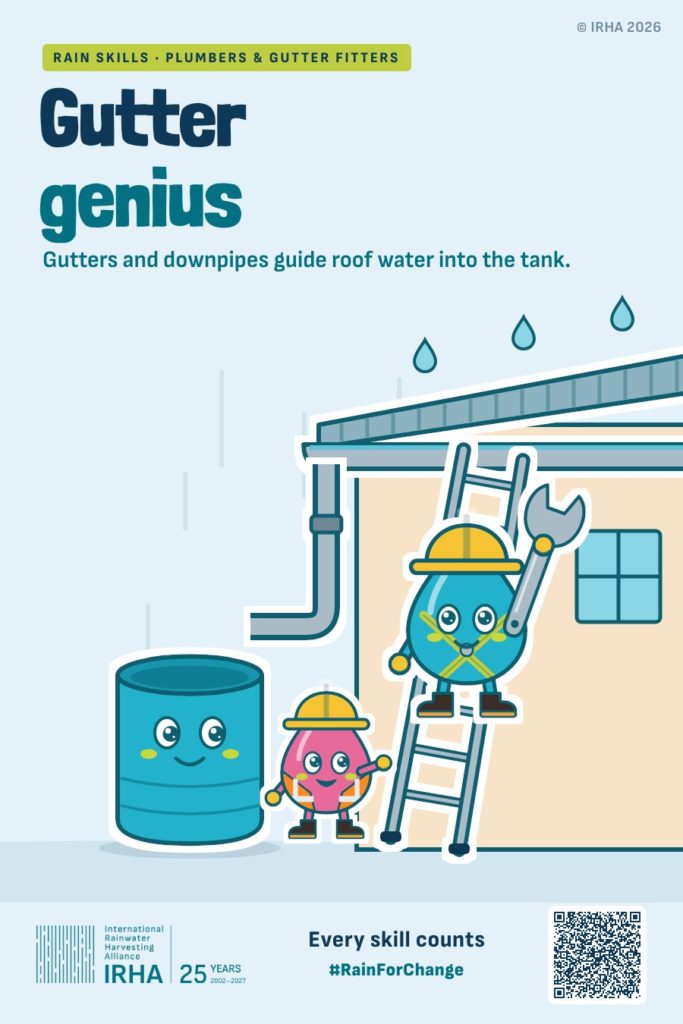
Eight instrumented mini systems, a survey of 56 houses and a simplified guttering kit: a year of trials in four districts of western and northern Uganda points the way to low-cost roofwater harvesting for households.
Four Blue Schools in Kurunegala
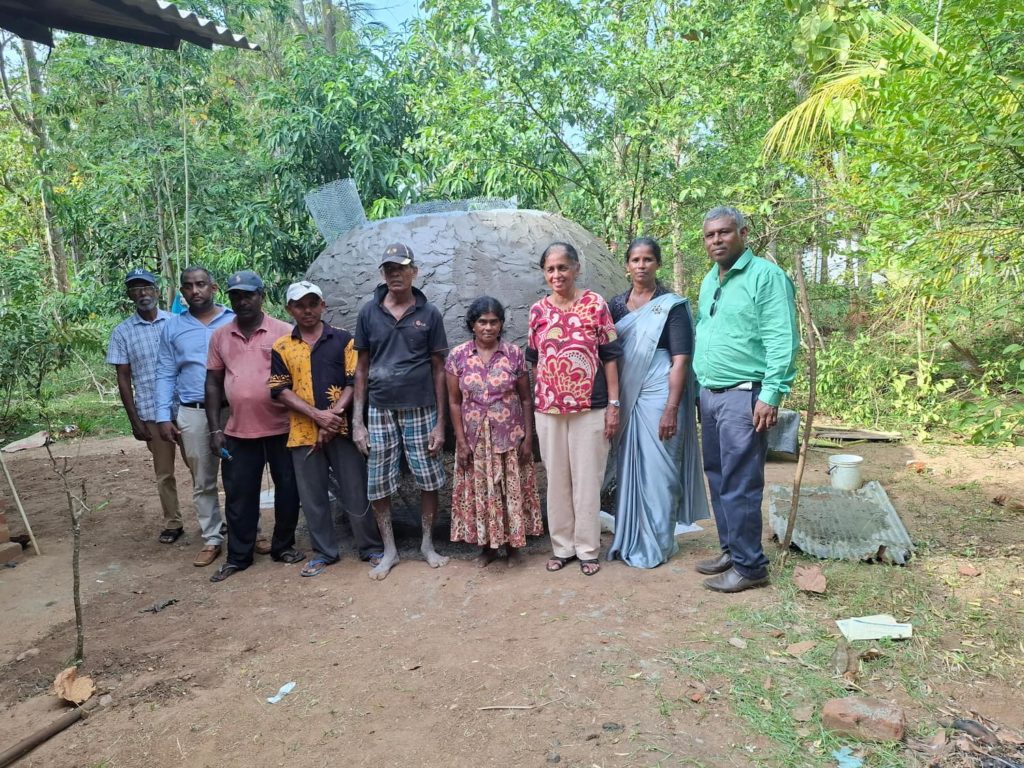
With the Lanka Rain Water Harvesting Forum, four rural schools in Sri Lanka now collect rainwater for drinking, hygiene and learning, and their communities look after it.
Kasese, Uganda: affordable rainwater harvesting for households, with Caritas Kasese
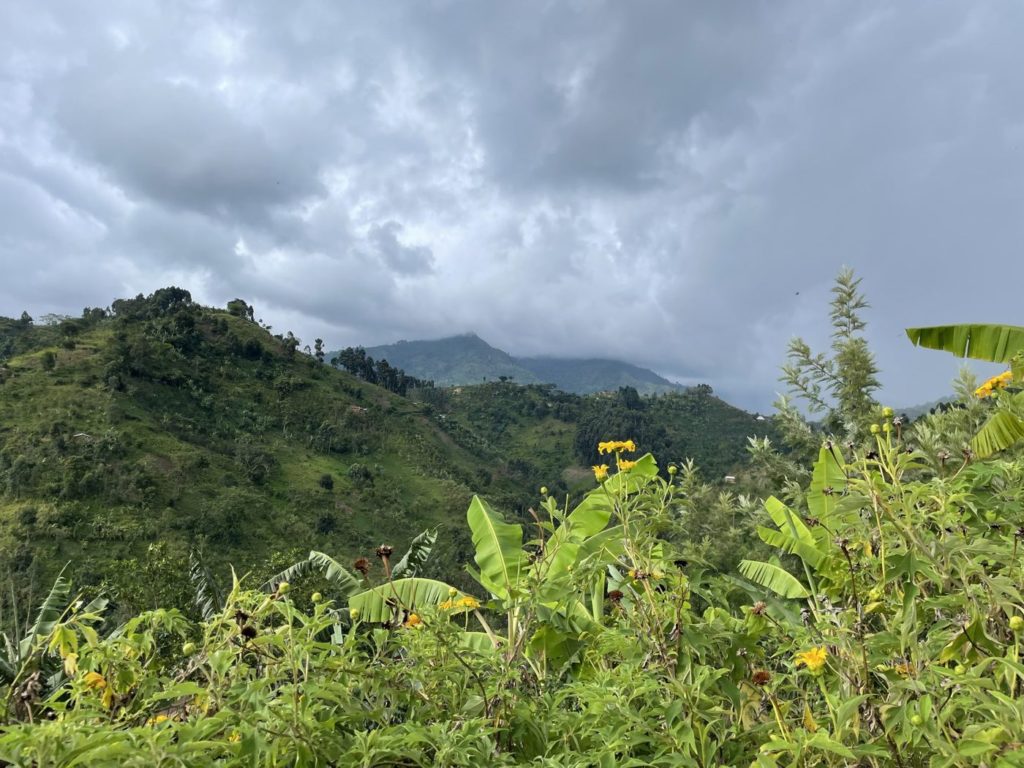
In Kasese, in western Uganda, water now reaches 21 schools, 15 local masons have been trained and two low-cost designs are being tested in people’s homes: Caritas Kasese and IRHA are working towards affordable rainwater harvesting for rural households.
A Blue School in Nepal: water, toilets and a garden for more than 450 students and staff
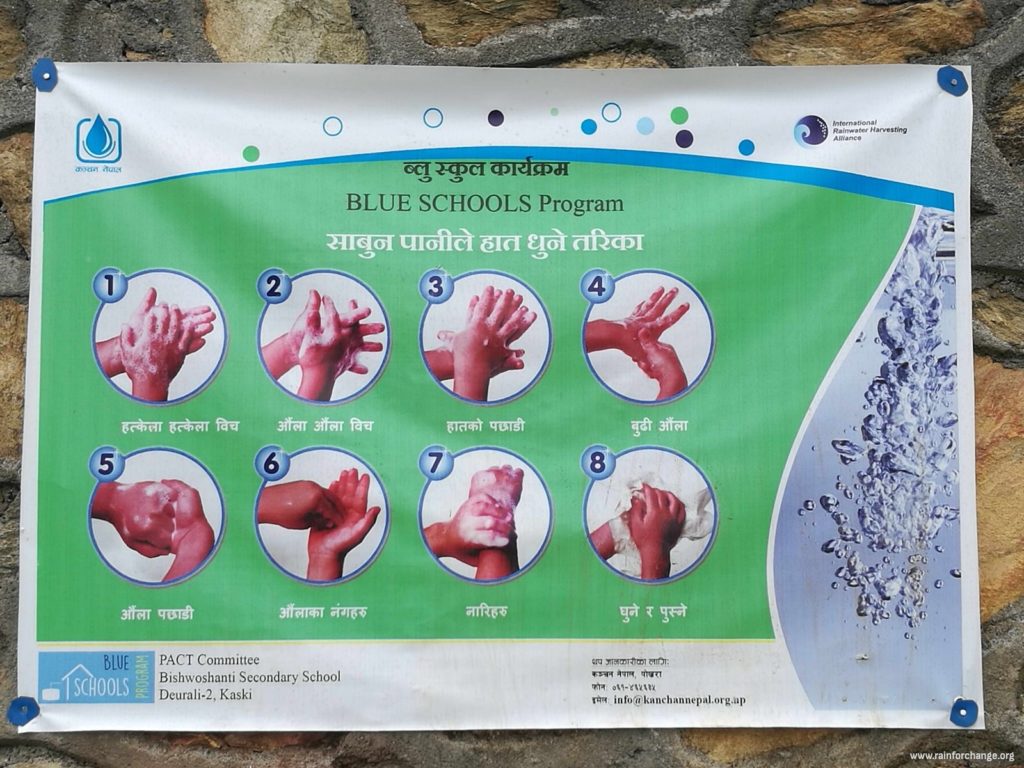
With Kanchan Nepal, a Blue School project in 2024 combined rainwater tanks, toilets, a school garden and training, run by a trained local committee.
Webinar 2: 900 students, 1 school, no water
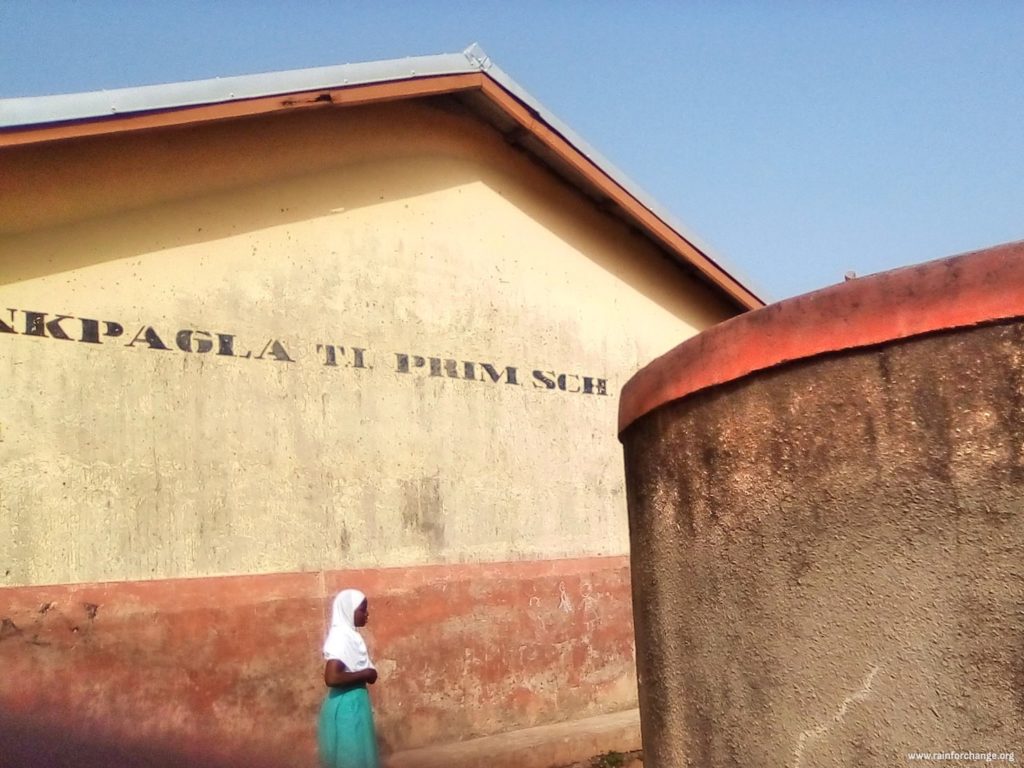
Three speakers from Switzerland, South Korea and Madagascar showed how school roofs can become a water source for hygiene, gardens and learning.
How rainwater harvesting can improve basic water services in health care facilities
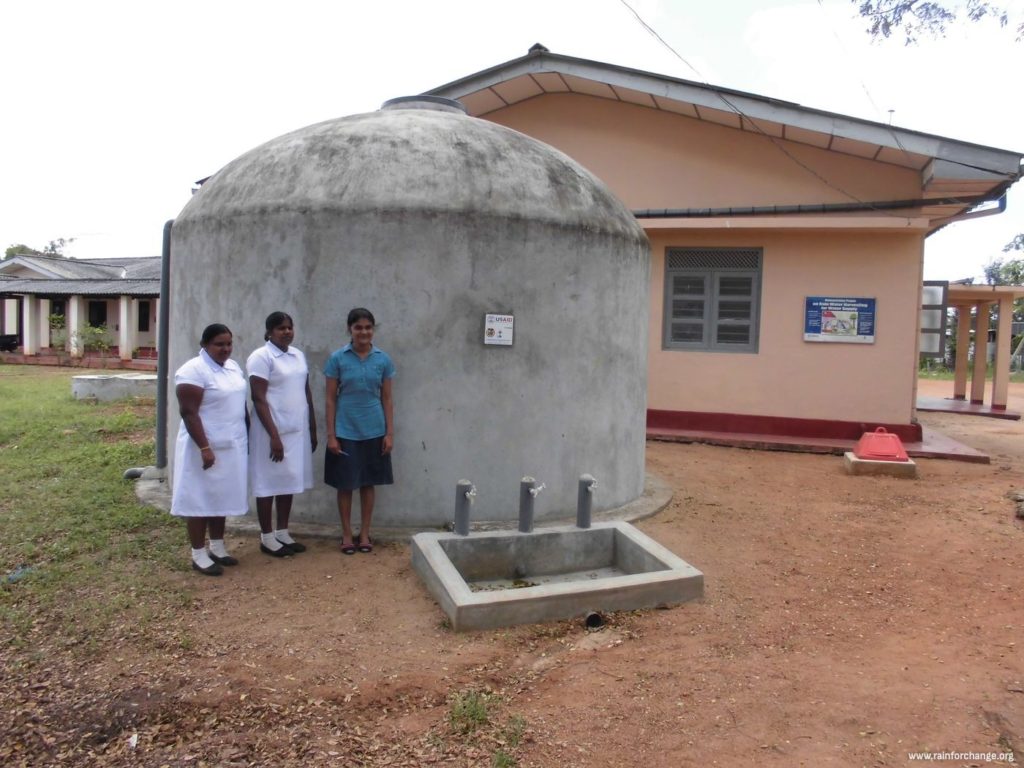
With one in five health care facilities lacking a basic water service, a Nepali hospital shows how rainwater can help close the gap.
Follow-up in western Uganda and exploration in central Uganda
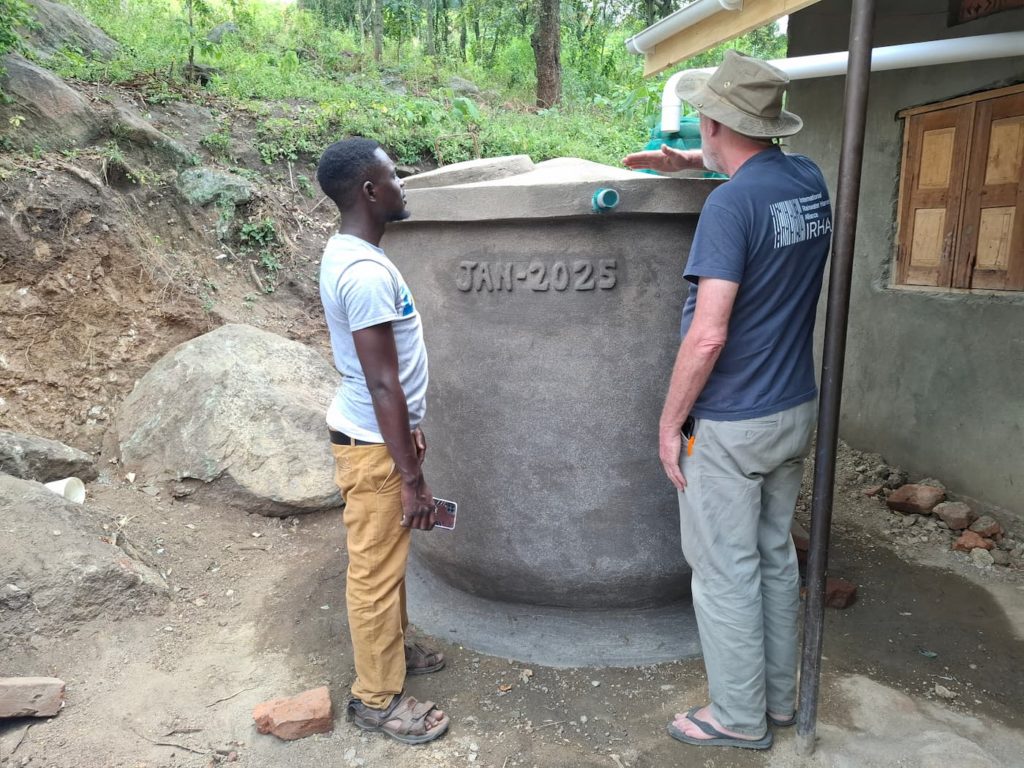
IRHA’s President checked school rainwater systems in Kasese and explored ecosystem-based adaptation initiatives in central Uganda.