
By D. Könnig
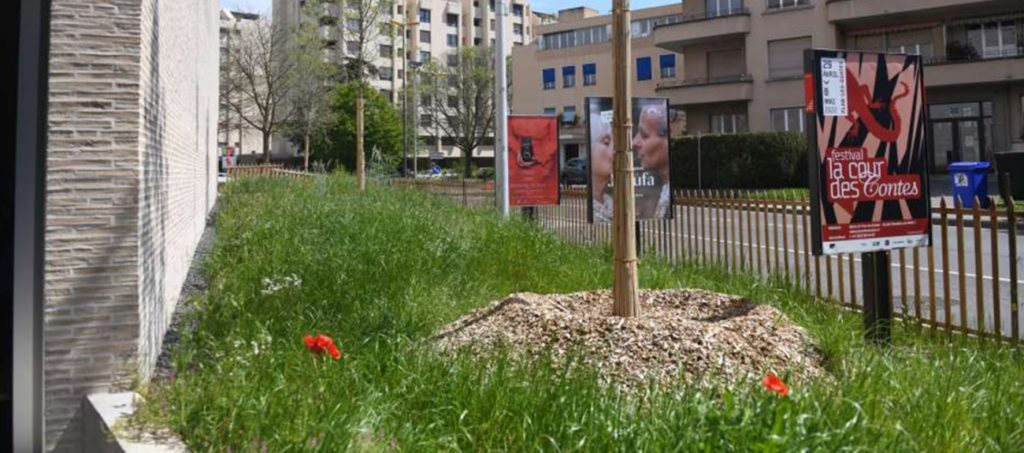
Sponge cities treat rainwater as a resource: they catch it, slow it down, clean it and store it instead of piping it away.
As climate change escalates, innovative solutions are needed more than ever. One of them is the “sponge city” concept, pioneered by Kongjian Yu, founder of Turenscape, a leading Chinese landscape architecture and urban planning practice.
Understanding sponge cities
The term “sponge city” refers to an urban area designed to absorb, clean and use rainwater through natural landscapes. The concept is a radical departure from traditional grey infrastructure, which usually involves channelling rainwater away quickly through concrete channels and steel pipes.
In a sponge city, rainwater is seen as a valuable resource rather than a problem. The city is designed to capture rainwater, slow down its flow and clean it through biological processes. This water can then be stored for use in dry seasons, reducing the city’s dependence on conventional water sources and making it more resilient to drought.
The role of rainwater
Rainwater is at the heart of the sponge city concept. By changing how we manage rainwater, we can create cities that are more resilient to climate change, more sustainable and more in harmony with nature. Sponge cities use their natural assets to absorb rainwater and release it more slowly into lakes and rivers, which helps to prevent flooding.
The technical brilliance of sponge cities
What makes the sponge city concept technically brilliant is its simplicity and effectiveness. It uses nature’s own mechanisms to manage water, reducing the need for expensive and often inefficient artificial drainage systems.
What is more, by slowing the flow of water, it gives the water more time to soak into the ground and replenish groundwater reserves. This is especially important in cities where groundwater levels are falling because of over-extraction.
Successful sponge cities
Several cities around the world have successfully put the sponge city concept into practice:
- Zhenjiang, Xiamen and Shenzhen, China: these cities have shown how political support can drive large-scale ecological transformation in urban areas.
- Auckland, New Zealand: Auckland has a “sponginess” rate of 35%, thanks largely to its stormwater systems, its many golf courses, its green parks and its good-sized residential gardens.
- Harbin, China: the 34-hectare Qunli Stormwater Park in Harbin is a successful example of a sponge city. It collects, cleans and stores stormwater while protecting native natural habitat and offering an attractive green public space for leisure.
Conclusion
The sponge city concept offers a promising way to meet the challenges posed by climate change. By combining nature-based solutions with modern technology, we can build cities that are not only more resilient but also more in harmony with the natural environment.
Conceived by Kongjian Yu, this innovative idea aims to prevent and manage urban flooding as climate change accelerates. It goes beyond managing water: the goal is to create sustainable, resilient and liveable cities for the future. IRHA’s Urban Rainwater programme reflects the growing recognition of how important sustainable urban water management is.