Our Projects · Rainwater for WASH

Blue SchoolsProgramme

Écoles Bleues

Since 2007, IRHA's Blue Schools have combined rainwater, toilets, hygiene, gardens and environmental learning to make schools healthier places to learn.

OngoingRainwater for WASHsince 2007
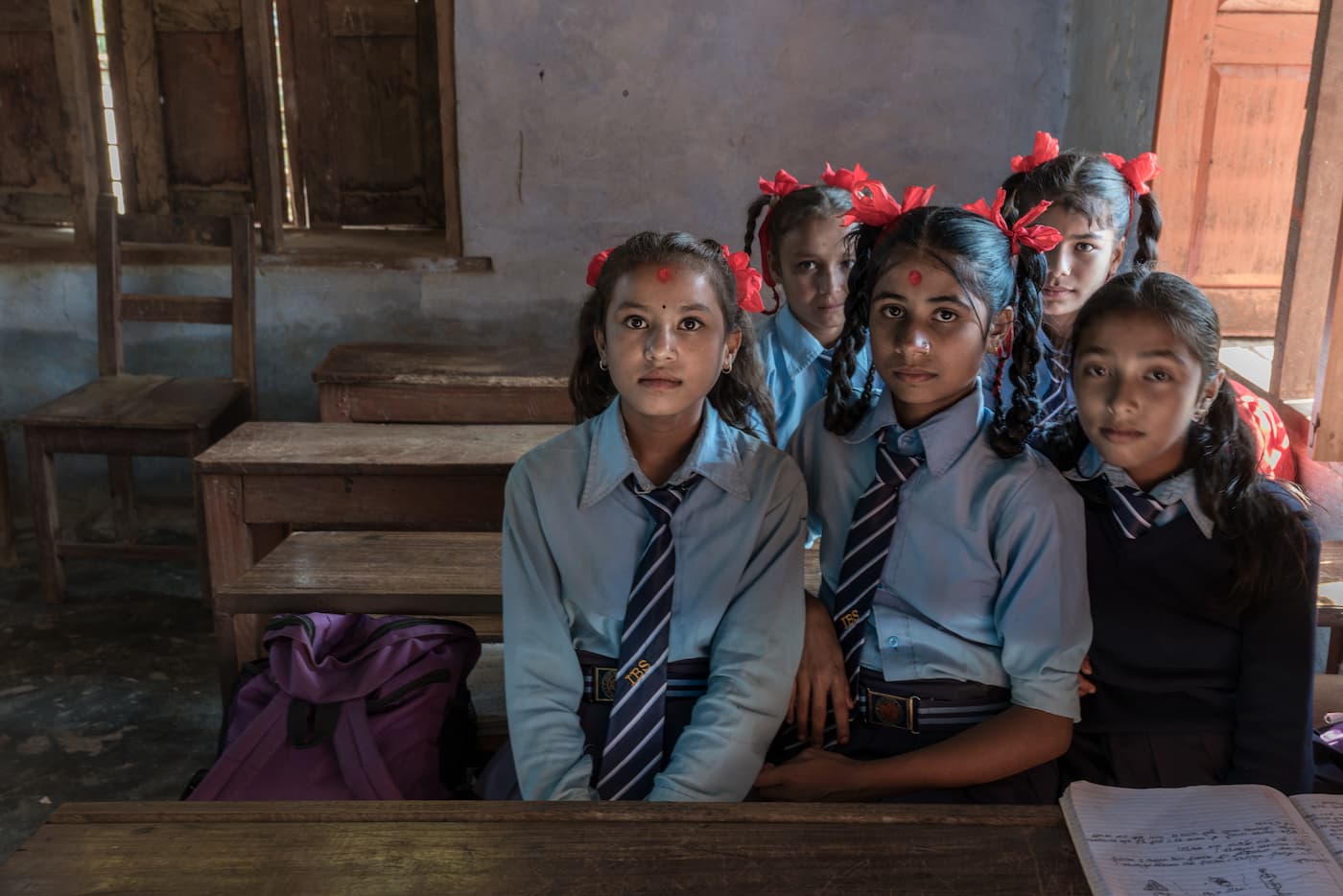
© Kanchan Nepal
Whereschools in Africa, Asia and Latin America. Today: Nepal and Sri Lanka, with Cambodia starting
Whensince 2007
Withlocal partners such as Kanchan Nepal, the Lanka Rain Water Harvesting Forum (LRWHF) and Rainwater Cambodia

Key Figures

  • 72Blue Schools supported by IRHA since 2007

The Challenge

Many schools have no reliable water, no safe toilets and no soap. This affects children's health and attendance, particularly for girls. Longer dry seasons and erratic rain make it worse. Yet school roofs are large and can catch a lot of rain. This water can serve hygiene, toilets, gardens and learning.

What We Do

  • Collect rain from school roofs into durable tanks, often ferrocement, with taps.
  • Build toilets and handwashing stations, and support menstrual hygiene.
  • Create school gardens and tree nurseries, and teach composting and waste sorting.
  • Teach through practice: rainfall observation, 3D mapping, games and activity books.
  • Set up parents–authorities–children–teachers committees to run and maintain the systems.

Results

Milestones: – 2007: IRHA creates the Blue School concept, with the first schools in India and Mali. – 2009–2011: Blue Schools in Ghana, funded by the Swiss Agency for Development and Cooperation (SDC). From 2011: Benin, Nigeria, Senegal and Togo. – Since 2011: the SDC-funded Swiss Water & Sanitation Consortium has applied the concept in more than 200 schools. In 2017, IRHA helped develop the Blue School Kit with the consortium in Nairobi. – 2014–2023: Blue Schools in Nepal with Kanchan Nepal and Guthi; Burundi (2014), Mexico (2015) and Bolivia (2018). – 2022–2024: Janapriya (Tobang) and Adarsha schools in Chitwan District, Nepal, with Kanchan Nepal: more than 450 students and staff, 2 rainwater systems (28 m³ in total) and 7 sanitation units to verify: school name – Janapriya/Adarsha (Chitwan) or Janajyoti (Kaski). – 2025: Sri Lanka with LRWHF – 4 schools and 732 pupils and teachers; water quality checked at 23 sources. – 2026: Blue Schools Cambodia with Rainwater Cambodia is starting; Madagascar is in preparation.

  • 2007: IRHA creates the Blue School concept, with the first schools in India and Mali.
  • 2009–2011: Blue Schools in Ghana, funded by the Swiss Agency for Development and Cooperation (SDC). From 2011: Benin, Nigeria, Senegal and Togo.
  • Since 2011: the SDC-funded Swiss Water & Sanitation Consortium has applied the concept in more than 200 schools. In 2017, IRHA helped develop the Blue School Kit with the consortium in Nairobi.
  • 2014–2023: Blue Schools in Nepal with Kanchan Nepal and Guthi; Burundi (2014), Mexico (2015) and Bolivia (2018).
  • 2022–2024: Janapriya (Tobang) and Adarsha schools in Chitwan District, Nepal, with Kanchan Nepal: more than 450 students and staff, 2 rainwater systems (28 m³ in total) and 7 sanitation units to verify: school name – Janapriya/Adarsha (Chitwan) or Janajyoti (Kaski).
  • 2025: Sri Lanka with LRWHF – 4 schools and 732 pupils and teachers; water quality checked at 23 sources.
  • 2026: Blue Schools Cambodia with Rainwater Cambodia is starting; Madagascar is in preparation.

On the Ground

Swipe or use the arrows, and click on a photo to enlarge it.

Child planting a tree at a blue school in Nepal as part of the one child one tree initiative · © Kanchan Nepal
Schoolgirls drinking water from a rainwater harvesting tank at a school in Nepal · © Kanchan Nepal
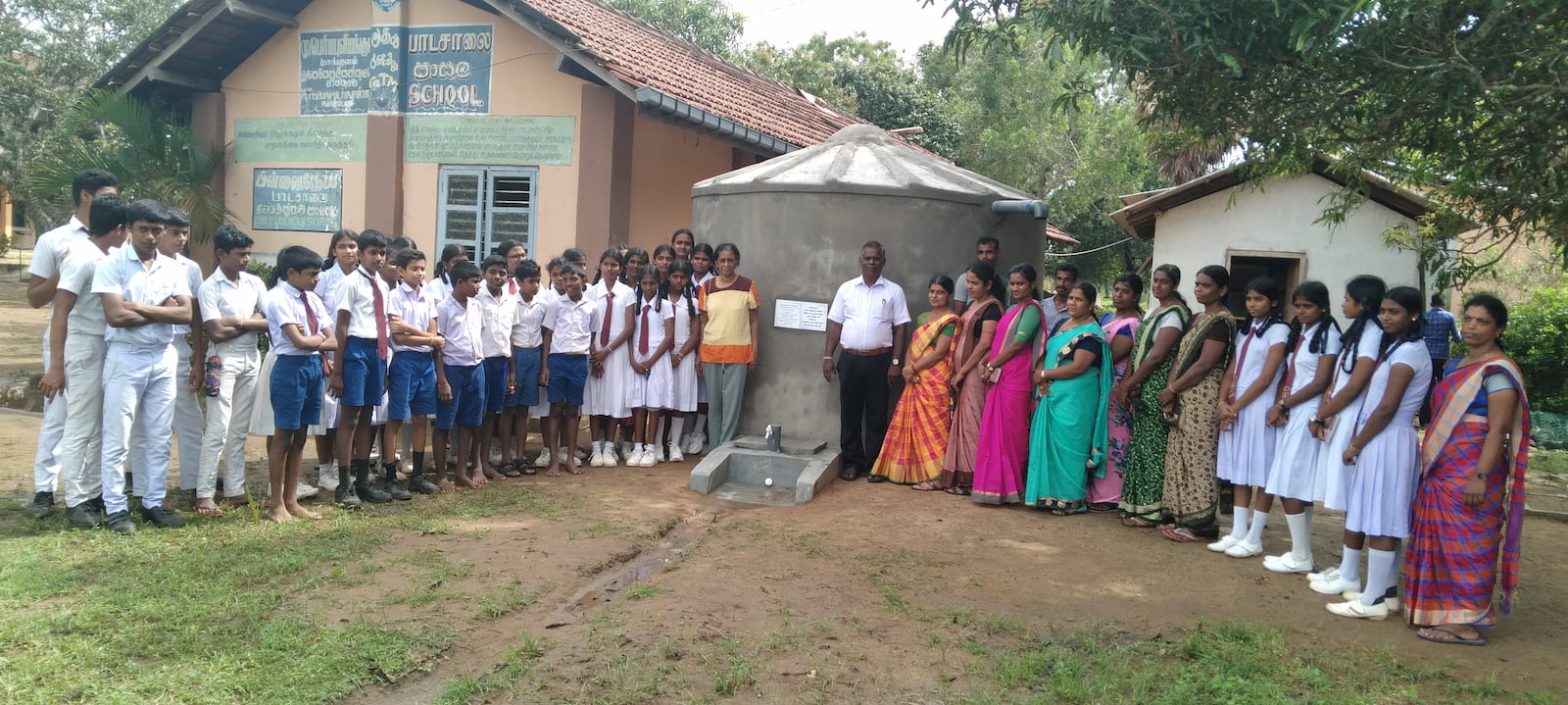
Schoolgirls standing near and protecting a rainwater harvesting tank at their blue school in Sri Lanka · © LRWHF
School children using a rainwater handwashing station in a blue school in Cambodia · © Rainwater Cambodia
Children in a blue school classroom in Cambodia learning about the water cycle · © Rainwater Cambodia
Educational mural in a Blue School in Senegal illustrating the natural water cycle for children · © IRHA
School girls in Sri Lanka standing near a rainwater harvesting tank at their blue school · © LRWHF

Partners and Funders

Current partners: Kanchan Nepal, LRWHF and Rainwater Cambodia. Recent funders: Fédération genevoise de coopération (FGC), SITSE and Fondation Gertrude Hirzel. Earlier support came from the SDC, the Canton and City of Geneva, Geneva municipalities and private donors.

Every Drop Restores

Help communities catch, store and use the rain.